

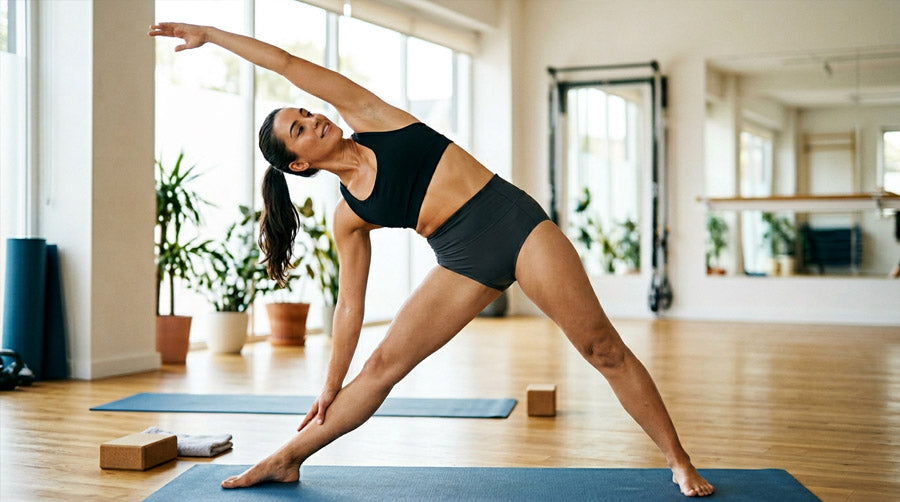
Exercise is good for your overall health, but for some women, physical activity can also trigger unexpected urine leakage. You may notice a few drops when running, jumping, lifting weights, doing squats, or performing high-impact workouts.
When urine leaks during physical activity, it is often related to stress urinary incontinence. The increased pressure placed on the bladder during exercise can challenge the muscles and tissues that help keep urine in the bladder. Stress urinary incontinence can occur with running, walking, coughing, laughing, sneezing, or other activities that increase pressure on the bladder.
Exercise-related leakage does not automatically mean you need to stop exercising. Understanding what triggers your leaks and gradually adjusting your training can help you stay active while addressing bladder control.
Why Do I Leak Urine When I Exercise?
During physical activity, pressure inside the abdomen can increase. The pelvic floor muscles and other supporting tissues help support the bladder and urethra and contribute to urinary control.
If the pressure placed on the bladder temporarily exceeds the ability of the urinary control system to maintain closure, urine can leak.
This is particularly noticeable during activities involving repeated impact, sudden movements, heavy lifting, or rapid changes in abdominal pressure.
Pregnancy, childbirth, aging, pelvic floor changes, and other factors can contribute to stress urinary incontinence. However, exercise-related leakage can occur in women with different backgrounds and at different stages of life.
Which Exercises Are Most Likely to Cause Bladder Leaks?
Not every type of exercise places the same demands on the pelvic floor. You may find that certain movements cause leakage while others do not.
| Exercise Type | Why It May Trigger Leaks |
|---|---|
| Running | Repeated impact and pressure |
| Jumping | Rapid increases in pelvic pressure |
| Heavy lifting | Increased abdominal pressure |
| High-impact aerobics | Repeated impact and fast movement |
| Cycling | Usually lower impact, but symptoms vary |
| Walking | Often lower impact than running |
| Swimming | Low-impact activity for many people |
This does not mean that running, jumping, or strength training are inherently bad for the pelvic floor. Your symptoms, fitness level, recovery stage, and underlying pelvic floor function all matter.
Is It Normal to Leak Urine During a Workout?
Urinary leakage during exercise is common, particularly among women experiencing stress urinary incontinence. However, “common” does not mean that you simply have to accept it or stop exercising.
If leakage happens repeatedly, it is worth paying attention to the pattern.
For example, you may notice:
- Leaks only when you run.
- Leaks when you jump or perform burpees.
- Leaks during heavy squats or deadlifts.
- Leaks near the end of a long workout.
- Leaks when your bladder is relatively full.
- A sudden urge to urinate during exercise followed by leakage.
These different patterns can provide useful information when discussing symptoms with a healthcare professional.
Stress Incontinence vs. Urgency During Exercise
Not every exercise-related leak has the same cause.
Stress urinary incontinence usually occurs when physical activity increases pressure on the bladder. Urgency urinary incontinence is different: it involves a sudden, difficult-to-control urge to urinate followed by leakage. Some people experience both patterns.
| What Happens? | Possible Pattern |
|---|---|
| Leak with jumping or running | Stress leakage |
| Leak after a sudden strong urge | Urgency leakage |
| Both patterns occur | Mixed symptoms |
Understanding the difference matters because the strategies used to manage stress-related and urgency-related symptoms are not always the same.
Should I Stop Exercising If I Leak?
In most cases, urinary leakage does not mean you need to give up physical activity altogether.
Regular physical activity is important for overall health, and avoiding all exercise because of leakage may unnecessarily limit your lifestyle. NIDDK notes that physical activity can support overall health and that activities such as walking, swimming, biking, and dancing can be appropriate forms of exercise.
Instead of stopping completely, consider modifying the activities that consistently trigger symptoms.
Try Lower-Impact Alternatives
If running causes leakage, you might temporarily replace some running sessions with walking, cycling, swimming, or another lower-impact activity.
If jumping triggers leaks, consider reducing the number of jumps or choosing movements that keep one or both feet closer to the ground.
The goal is not necessarily to avoid challenging your body. It is to find an appropriate progression.
How Can I Exercise With Fewer Bladder Leaks?
There is no single strategy that works for everyone, but several practical approaches may help.
1. Identify Your Triggers
Keep track of which movements cause leakage.
For example, if you can walk for 45 minutes without leaking but begin leaking after 10 minutes of running, that difference is useful information.
You can use this information to gradually adjust your training rather than guessing which activities your body can tolerate.
2. Reduce Impact Temporarily
If high-impact exercise consistently triggers leakage, consider reducing impact while you work on strength and control.
Walking, swimming, cycling, and some forms of strength or mobility training may provide ways to remain active without repeatedly triggering the same symptoms.
NHS guidance also notes that high-impact activities can increase leakage for some people and suggests considering lower-impact strengthening activities when appropriate.
3. Progress Gradually
Instead of moving directly from low-impact exercise to intense running or jumping, increase training demands progressively.
For example, you might start with:
- Walking
- Brisk walking
- Short walk-and-jog intervals
- Longer jogging intervals
- Short running sessions
- Gradually increased running volume
Your progression should depend on your symptoms and overall recovery rather than a fixed schedule.
Can Pelvic Floor Exercises Help With Exercise-Related Leakage?
Pelvic floor muscle training is commonly used to improve urinary control. These muscles help support the bladder and contribute to maintaining urinary continence.
Clinical guidance recommends supervised pelvic floor muscle training as a first-line treatment for women with stress or mixed urinary incontinence. NICE recommends a supervised programme lasting at least three months.
However, performing pelvic floor exercises correctly matters.
Basic Pelvic Floor Exercise Principles
- Identify the pelvic floor muscles rather than squeezing your abdomen, thighs, or buttocks.
- Breathe normally instead of holding your breath.
- Contract the muscles in a controlled way.
- Relax completely between contractions.
- Progress gradually rather than doing excessive repetitions.
NIDDK recommends avoiding pelvic floor exercises while urinating and advises people to follow guidance from a healthcare professional when developing an individualized exercise routine.
What If I Am Not Sure I Am Doing Kegels Correctly?
This is common. Pelvic floor muscles are not as easy to see or feel as the muscles in your arms or legs.
If you are unsure whether you are contracting the correct muscles, a pelvic health physical therapist can assess your pelvic floor function and help you learn the correct technique.
This can be especially useful if your symptoms are persistent or if repeated self-directed exercises are not helping.
More exercise is not automatically better. Overworking the pelvic floor or performing the exercises incorrectly may be counterproductive for some people. NIDDK specifically advises against overdoing Kegel exercises.
What About Strength Training?
Strength training does not automatically need to be avoided if you experience bladder leaks.
However, some people notice leakage during heavy lifting or exercises that create substantial abdominal pressure.
You can experiment with:
- Reducing the load temporarily.
- Using controlled repetitions.
- Avoiding unnecessary breath-holding.
- Adjusting exercises that consistently cause leakage.
- Working with a qualified professional on breathing and pelvic floor coordination.
If a specific movement repeatedly causes leakage, consider treating that as useful feedback rather than simply pushing through the symptom.
What Should I Do Before a Workout?
A few simple habits may make exercise more comfortable.
- Use the bathroom before exercise if you need to.
- Stay appropriately hydrated rather than deliberately dehydrating yourself.
- Notice whether caffeine or other drinks appear to worsen urgency.
- Choose clothing that allows easy bathroom access.
- Use appropriate absorbent protection if leakage is predictable.
Fluid restriction should not become a strategy for avoiding leaks. Appropriate fluid intake varies by person, activity level, environment, and health status. NIDDK and NICE both emphasize maintaining appropriate hydration rather than simply restricting fluids.
What Can I Wear for Bladder Leaks During Exercise?
If you are active while managing urinary leakage, practical protection can make workouts less stressful.
Depending on your leakage level, options may include disposable pads, reusable absorbent pads, or washable absorbent underwear.
For exercise, consider features such as:
- Appropriate absorbency for your typical leakage.
- A secure fit that stays in place during movement.
- Breathable materials.
- A low-profile design under workout clothing.
- Easy washing and drying after use.
The right level of protection depends on how much you leak and what type of activity you are doing.
For lighter exercise, a lower-absorbency option may be sufficient. Longer workouts or activities associated with more noticeable leakage may require more protection.
Exercise and Postpartum Bladder Leaks
Exercise-related leakage can be particularly noticeable after pregnancy and childbirth.
During pregnancy and childbirth, the pelvic floor and surrounding tissues can undergo significant changes. Some women experience urinary leakage when they return to running, jumping, lifting, or other high-impact activities.
That does not necessarily mean that something has gone permanently wrong.
Returning to exercise gradually and addressing pelvic floor function can be useful during postpartum recovery. If leakage continues or limits your ability to return to activities you enjoy, a healthcare professional or pelvic health physical therapist can help assess your symptoms.
For more information, see our guide to postpartum bladder leaks.
When Should Exercise-Related Bladder Leaks Be Evaluated?
Occasional leakage may be manageable with lifestyle adjustments, but persistent symptoms deserve attention.
Consider talking with a healthcare professional if:
- Leakage happens frequently during exercise.
- Your symptoms are becoming more noticeable over time.
- You have stopped exercising because of fear of leaking.
- You need to plan your daily activities around bathroom access.
- You experience both urgency and stress-related leakage.
- You have pain or burning when urinating.
- You notice blood in your urine.
- You have difficulty emptying your bladder.
ACOG recommends discussing urinary incontinence with a healthcare professional when symptoms interfere with daily life or activities.
You Shouldn't Have to Choose Between Exercise and Bladder Confidence
Bladder leaks can make exercise feel unpredictable, but they do not have to define your activity level.
Start by identifying what triggers your leaks. Then consider reducing impact, modifying specific movements, progressing gradually, and addressing pelvic floor strength and coordination.
Practical absorbent protection can also reduce the stress of unexpected leaks while you work on longer-term strategies.
Most importantly, exercise-related leakage is a symptom worth understanding rather than something you need to feel embarrassed about.
Quick Takeaways
- Running, jumping, lifting, and other high-impact activities can trigger urine leakage.
- Exercise-related leakage is often associated with stress urinary incontinence.
- Urgency-related leakage can also occur during physical activity.
- You usually do not need to stop exercising altogether because of bladder leaks.
- Lower-impact activities can provide useful alternatives when high-impact exercise triggers symptoms.
- Gradually increasing exercise intensity may help you return to activities you enjoy.
- Pelvic floor muscle training is a commonly recommended approach for stress urinary incontinence.
- A pelvic health physical therapist can help if you are unsure how to train your pelvic floor correctly.
- Absorbent underwear or other protection can provide practical support during workouts.
- Persistent, worsening, painful, or disruptive symptoms should be discussed with a healthcare professional.
Medical information disclaimer: This article is intended for general educational purposes and is not a substitute for medical diagnosis, treatment, or individualized advice from a qualified healthcare professional.
Frequently Asked Questions About Bladder Leaks During Exercise
Why do I leak urine when I exercise?
Exercise can increase pressure on the bladder and pelvic floor. Activities such as running, jumping, lifting, and high-impact workouts can trigger stress urinary incontinence in some women. Urgency-related leakage can also occur during exercise.
Is it normal to pee a little when running or jumping?
Urine leakage during running or jumping is common, particularly among women with stress urinary incontinence. However, it does not mean you simply have to accept the symptom. Pelvic floor training, exercise modification, and professional assessment may help.
Should I stop exercising if I have bladder leaks?
Not necessarily. Regular physical activity is important for overall health. If a specific activity triggers leakage, you can consider reducing its intensity, switching temporarily to lower-impact exercise, and gradually progressing as your symptoms allow.
What exercises are best if I have urinary incontinence?
There is no single exercise routine that is best for everyone. Walking, swimming, cycling, and other lower-impact activities may be easier to tolerate than running or jumping for some people. A pelvic health professional can help create an individualized exercise plan.
Can Kegel exercises stop urine leaks during exercise?
Pelvic floor muscle training can help improve urinary control and is recommended as a first-line treatment for women with stress urinary incontinence. Proper technique and consistency matter, and supervised training may be useful when symptoms persist.
Why do I leak urine during workouts after having a baby?
Pregnancy and childbirth can affect the pelvic floor and other structures involved in bladder control. When returning to running, jumping, or lifting after childbirth, some women experience exercise-related leakage. Gradual progression and appropriate pelvic floor rehabilitation may help.
What can I wear to prevent embarrassment from leaks during exercise?
Absorbent underwear, reusable pads, or disposable pads can provide practical protection during workouts. Choose protection based on your typical leakage amount, activity level, fit, and comfort.
When should I see a doctor about exercise-related bladder leaks?
Consider speaking with a healthcare professional if leakage is persistent, worsening, interferes with exercise or daily life, or occurs with symptoms such as pain, burning, blood in the urine, or difficulty emptying your bladder.
Related Reading
- Pelvic Floor Exercises for Bladder Control: A Practical Beginner’s Guide
- Postpartum Bladder Leaks: Why They Happen and What Can Help
- How to Choose the Right Absorbency for Bladder Leaks? A Practical Guide to Reusable Leakproof Underwear
Looking for discreet, reusable protection? Explore Rooces women's and men's washable incontinence underwear designed for everyday confidence. Pair them with a mesh laundry bag to protect the absorbent layers in the wash.



Share:
Postpartum Bladder Leaks: Why They Happen and What Can Help
Pelvic Floor Exercises for Bladder Control: A Practical Beginner’s Guide