

Bladder leaks can feel especially stressful when you are away from home. A crowded restaurant, long line, movie theater, shopping trip, public transportation, or social event can create a constant worry about finding a bathroom in time.
That worry can sometimes become more limiting than the leakage itself. You may start avoiding certain places, sitting near exits, skipping drinks, or turning down invitations because you are concerned about having an accident.
Urinary incontinence does not have to mean giving up normal activities. With some preparation and a better understanding of your symptoms, you can make public situations more manageable.
Why Do Bladder Leaks Feel More Difficult in Public?
Being away from home can make bladder symptoms feel harder to control for several reasons.
- You may not know where the nearest restroom is.
- You may have to wait in line.
- You may be sitting somewhere where leaving is difficult.
- Public transportation may not have an immediately available bathroom.
- You may feel embarrassed about asking for a restroom.
- You may worry that other people will notice a leak.
- You may change your normal drinking habits because of the situation.
NIDDK notes that bladder control problems can affect normal routines and may cause people to avoid activities because they are worried about leaking or reaching a toilet in time.
First, Understand Your Bladder Leak Pattern
Not every bladder leak happens for the same reason. Knowing your usual pattern can make public situations easier to anticipate.
| Leakage pattern | Common trigger |
|---|---|
| Stress leakage | Coughing, sneezing, laughing, lifting, running, or sudden physical movement. |
| Urgency leakage | A sudden strong urge followed by leakage before reaching the bathroom. |
| Mixed leakage | Both stress and urgency symptoms. |
| Nighttime leakage | Urine leakage while sleeping. |
Once you know your pattern, you can prepare for the situations most likely to cause problems instead of constantly worrying about every possible scenario.
1. Know Where the Bathroom Is
One of the simplest strategies is also one of the most effective: know your bathroom options before you need them.
When you arrive somewhere new, take a few seconds to notice where the restroom is.
This can be especially useful in:
- Shopping malls
- Restaurants
- Movie theaters
- Museums
- Concert venues
- Airports and train stations
- Large stores
- Public parks
- Sports facilities
You do not need to use the bathroom simply because you see it. The goal is to reduce the uncertainty of not knowing where to go if urgency appears.
2. Choose Your Seat Strategically
When you have control over where you sit, location can make a practical difference.
For a movie, presentation, theater performance, or long event, an aisle seat may make it easier to leave if necessary.
At a restaurant, sitting somewhere with a clear path to the restroom may make you feel more comfortable.
These small choices are not about organizing your entire life around your bladder. They are simple ways to reduce unnecessary barriers.
3. Do Not Avoid Fluids Completely
One of the most common responses to public bladder leaks is drinking as little as possible.
However, deliberately restricting fluids enough to become dehydrated is not a good long-term strategy. NIDDK recommends drinking an appropriate amount of fluid based on individual health, activity, and other factors.
Instead, pay attention to drinks that consistently make your symptoms worse.
- Coffee
- Caffeinated tea
- Energy drinks
- Alcohol
- Carbonated drinks
- Large amounts of fluid consumed quickly
Not everyone has the same triggers, so your own pattern matters more than following a universal list.
4. What If You Suddenly Feel an Urge?
Sudden urgency can create a strong instinct to immediately rush toward the bathroom.
If you are in a safe position to pause, try to slow the reaction down.
Bladder-training strategies may include:
- Stop moving for a moment.
- Take slow, relaxing breaths.
- Distract your attention.
- Use quick pelvic floor contractions if appropriate for you.
- Walk calmly toward the restroom when the urgency becomes more manageable.
NIDDK describes these as strategies that may help suppress urgency and give some people more time to reach a toilet.
If sudden urgency happens frequently, bladder training may be worth discussing with a healthcare professional.
5. What About Long Lines?
Waiting in line can be difficult if your bladder fills quickly or urgency can appear suddenly.
If you already know that long waits are challenging, consider using the restroom before joining a long line when appropriate.
You can also choose locations where leaving the line is relatively easy.
If urgency becomes severe, do not feel that you have to remain in line simply because you have already waited. Your health and comfort are more important than preserving your place.
6. Carry a Small Emergency Kit
You do not need to carry a large bag of supplies.
A discreet backup kit can include:
- One spare pair of underwear
- Absorbent protection
- Small cleansing wipes
- Tissues
- A resealable bag
Keep the kit somewhere easy to reach rather than at the bottom of a large backpack.
The purpose is not to expect a leak. It is to know that you have a plan if one happens.
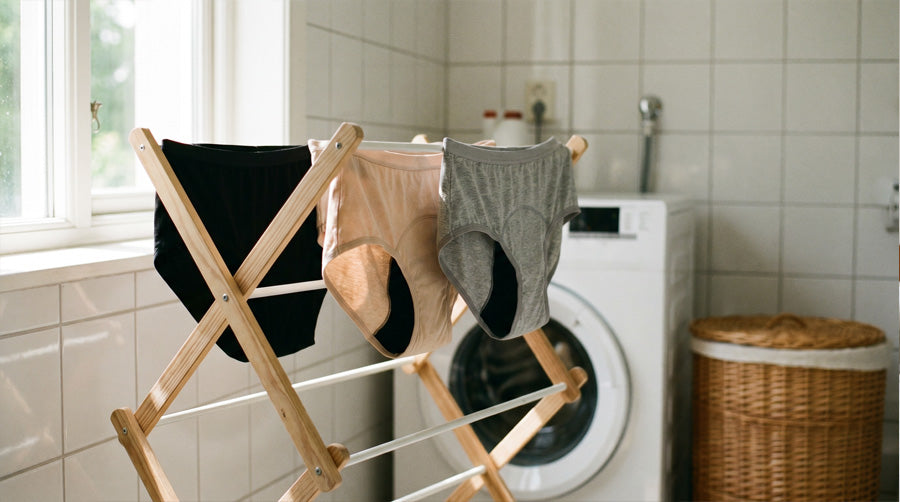
7. Can Absorbent Underwear Help in Public?
Absorbent underwear can provide an additional layer of protection when you are worried about unexpected leakage.
NIDDK lists absorbent washable incontinence underwear among products that can help people manage urine leaks.
The appropriate level of absorbency depends on how much you typically leak. A product designed for light leakage may not be appropriate for heavier leakage, so matching the product to your actual needs matters.
If you are considering reusable underwear, test it at home before wearing it to an important event. Check the fit, comfort, absorbency, and how easily you can change or wash it.
8. What If You Are Afraid Someone Will Notice?
This is one of the most common emotional concerns surrounding bladder leaks.
You may worry about an odor, a visible wet spot, or someone noticing that you need to leave unexpectedly.
Modern absorbent products can provide additional protection, but no product should be treated as a guarantee against every leak. Choosing appropriate absorbency and changing when necessary can help you manage the situation more comfortably.
It can also help to wear clothing that makes you feel comfortable and gives you enough flexibility to change if needed.
9. What If a Leak Actually Happens?
Try to focus on the next practical step rather than immediately assuming everyone noticed.
- Find a private restroom or changing area.
- Clean the skin gently if necessary.
- Change your underwear or absorbent product.
- Place used clothing in a resealable bag.
- Continue your day if you feel comfortable doing so.
Having a backup kit makes this process much easier.
A single leak does not mean you have to go home, cancel your plans, or avoid the same situation in the future.
10. Bladder Leaks Should Not Automatically Stop Social Activities
Urinary incontinence can affect confidence and social participation. Some people stop going to restaurants, movies, meetings, exercise classes, or events because they are afraid of leaking.
But avoiding activities does not address the underlying bladder problem.
If leakage is repeatedly changing what you do, it may be worth discussing your symptoms with a healthcare professional. Treatment depends on the type and cause of incontinence and may include lifestyle changes, pelvic floor muscle training, bladder training, medication, devices, or other approaches.
11. Keep a Bladder Diary If Your Symptoms Are Unpredictable
If you are not sure what triggers your leaks, a bladder diary can help identify patterns.
For two or three days, record:
- What you drink
- When you drink
- When you urinate
- How much you urinate, if practical to record
- When leakage occurs
- Whether you felt urgency before the leak
- What you were doing when the leak occurred
NIDDK recommends bladder diaries as part of evaluating bladder control problems and notes that a two- to three-day record can help identify patterns.
You may discover that your leaks are strongly associated with certain situations, such as coughing, exercise, caffeine, sudden urgency, or long periods without bathroom access.
12. When Should You Get Medical Advice?
Occasional leakage may be manageable, but persistent urinary leakage deserves attention.
Consider speaking with a healthcare professional if:
- Leakage is new or unexplained.
- Your symptoms are getting worse.
- You frequently experience strong urinary urgency.
- You wake repeatedly to urinate.
- Leakage is interfering with work, exercise, relationships, or social activities.
- You have difficulty emptying your bladder.
Seek prompt medical attention if you cannot pass urine or empty your bladder, see blood in your urine, or have painful urination. These symptoms can indicate a condition that needs medical evaluation.
A Simple Public-Bladder-Leak Strategy
| Before going out | While you're out |
|---|---|
| Know your usual symptoms | Know where bathrooms are |
| Pack a small backup kit | Use reasonable bathroom breaks |
| Choose suitable protection | Use urge-control strategies when appropriate |
| Wear comfortable clothing | Keep backup supplies accessible |
| Identify personal triggers | Continue your normal activities when possible |
Frequently Asked Questions
How can I stop worrying about bladder leaks in public?
You may not be able to eliminate the worry immediately, but preparation can make it less disruptive. Know where bathrooms are, carry backup supplies, choose practical seating, and use absorbent protection if needed.
Should I stop drinking water before going out?
No. Avoid restricting fluids enough to become dehydrated. Instead, pay attention to individual triggers such as caffeine, alcohol, or large amounts of fluid consumed quickly.
What should I carry for bladder leaks?
A small kit with spare underwear, absorbent protection, cleansing wipes, tissues, and a resealable bag can provide a practical backup.
What should I do if I suddenly need to pee in public?
If it is safe to pause, stay still, breathe slowly, use distraction, and try quick pelvic floor contractions if appropriate for you. Then move calmly toward a restroom.
Can absorbent underwear prevent bladder leaks in public?
Absorbent underwear does not prevent the underlying cause of urinary incontinence, but it can absorb urine and provide additional protection when leakage occurs.
Can bladder leaks get worse because I am anxious in public?
Anxiety and stress can make some bladder symptoms feel more difficult to manage, but persistent urinary leakage should not automatically be attributed to anxiety. There can be many underlying causes.
Should I avoid restaurants, movies, or events if I have bladder leaks?
Not necessarily. Planning bathroom access, choosing convenient seating, carrying backup supplies, and using appropriate protection can make many activities easier to manage.
When should I see a healthcare professional about bladder leaks?
Consider professional evaluation if leakage is persistent, worsening, or affecting your daily activities. Seek prompt care for inability to urinate, blood in the urine, or painful urination.
The Bottom Line
Bladder leaks can feel more intimidating in public because you have less control over your surroundings. But you can reduce much of that uncertainty with simple preparation.
Know your symptoms, locate bathrooms, carry a small backup kit, stay appropriately hydrated, and use absorbent protection if it helps you feel more prepared.
Most importantly, do not let fear of a bladder leak automatically determine where you go or what you do. If urinary leakage is repeatedly limiting your life, professional evaluation can help identify the cause and available treatment options.
This article is for general educational purposes only and is not a substitute for professional medical advice, diagnosis, or treatment.
Bladder Leaks in Public — FAQ
How can I stop worrying about bladder leaks in public?
Preparation can make bladder leaks less disruptive. Know where bathrooms are, carry backup supplies, choose practical seating, and use absorbent protection if needed.
Should I stop drinking water before going out?
No. Avoid restricting fluids enough to become dehydrated. Instead, pay attention to individual triggers such as caffeine, alcohol, or large amounts of fluid consumed quickly.
What should I carry for bladder leaks?
A small kit with spare underwear, absorbent protection, cleansing wipes, tissues, and a resealable bag can provide a practical backup.
What should I do if I suddenly need to pee in public?
If it is safe to pause, stay still, breathe slowly, use distraction, and try quick pelvic floor contractions if appropriate for you. Then move calmly toward a restroom.
Can absorbent underwear prevent bladder leaks in public?
Absorbent underwear does not prevent the underlying cause of urinary incontinence, but it can absorb urine and provide additional protection when leakage occurs.
Can bladder leaks get worse because I am anxious in public?
Anxiety and stress can make some bladder symptoms feel more difficult to manage, but persistent urinary leakage should not automatically be attributed to anxiety.
Should I avoid restaurants, movies, or events if I have bladder leaks?
Not necessarily. Planning bathroom access, choosing convenient seating, carrying backup supplies, and using appropriate protection can make many activities easier to manage.
When should I see a healthcare professional about bladder leaks?
Consider professional evaluation if leakage is persistent, worsening, or affecting daily activities. Seek prompt care for inability to urinate, blood in the urine, or painful urination.
Related Reading
- Can Dehydration Cause Bladder Leaks? How Drinking Too Little May Affect Bladder Symptoms
- How Often Should You Pee? What’s Normal and When to Pay Attention
- How to Wash and Care for Reusable Bladder Leak Underwear
Looking for discreet, reusable protection? Explore Rooces women's and men's washable incontinence underwear designed for everyday confidence. Pair them with a mesh laundry bag to protect the absorbent layers in the wash.



Share:
Bladder Leaks at Work: How to Stay Comfortable and Confident During the Workday
How to Tell If Your Bladder Leaks Are Stress or Urge Incontinence