


The short answer: Can other people smell bladder leaks? Almost never — not the way you imagine. A small leak that's caught by absorbent underwear and changed on time gives off very little odor, and the people around you are much farther from it than your own nose is. The worry is real, though. So let's look at when smell actually becomes noticeable, and what keeps you fresh without turning your day into a checklist.
Picture this: you're in the elevator at 9 a.m., standing shoulder to shoulder with a colleague, and a leak you had twenty minutes ago is suddenly all you can think about. You hold your breath a little. You wonder if they can tell. Most likely, they can't. Your nose sits inches from the source, and your brain has been on high alert about it all morning. Their nose is three feet away, in moving air, with coffee and hallway smells in between. That's a very different situation.
Why you're so sure everyone can smell it
There's a strange trick your nose plays on you. When a smell is close to you for a while, you stop noticing it — that's why you can't smell your own perfume by lunchtime. But anxiety works the other way. When you're worried about a smell, your brain keeps checking for it, and every faint whiff feels like proof.
Here's the thing most people get backwards: if you can barely smell it yourself after changing into something fresh, nobody standing next to you can smell it either. Smell needs concentration and closeness. A small, contained leak doesn't produce much of either.
It helps to know what actually creates odor in the first place. Fresh urine barely smells at all. The smell builds when urine sits — on fabric, on a pad, on skin — and bacteria get time to break it down. That's why a leak you catch fast and a pad you change on time smell like almost nothing, while a pad that's been sitting damp since breakfast tells a different story by 2 p.m.
Can other people smell bladder leaks on your clothes?
On dry, clean clothes? No. Urine odor comes from dampness, not from the memory of a leak. If your underwear caught the leak, your outer clothes stayed dry, and you changed at a normal pace, there's nothing for anyone to smell.
The moments that do carry a smell are specific, and they're all fixable:
- A pad or pair of underwear left on for hours after a leak, still damp against your skin.
- Outer clothing that actually got wet and dried on you without a change.
- A bag where a damp spare sat sealed in plastic all afternoon.
- Very concentrated urine — the kind you get when you've barely drunk anything — which smells stronger from the start.
Notice the pattern. It's never one small leak in the morning. It's time plus dampness. Cut either one short and the problem mostly disappears.
What calms the worry vs. what actually keeps you fresh
| Quick reassurance | What actually moves the needle |
|---|---|
| Perfume or body spray over the area | Changing into a dry pair within a couple of hours of a leak |
| Checking by sniffing your clothes every hour | Rinsing leakproof underwear right after changing, then washing normally |
| Skipping water so you leak less | Drinking normally so your urine stays dilute and milder-smelling |
| Wearing extra layers to "seal it in" | Breathable fabrics that let dampness dry instead of trapping it |
Spray covers a smell for about ten minutes. Dry fabric and diluted urine prevent one for the whole day. Spend your effort on the second column.
What actually keeps you fresh all day
Forget elaborate routines. Four habits do nearly all the work.
Change on a schedule, not on a feeling. If you leaked, swap to a dry pair at your next bathroom break rather than waiting until you get home. A spare in your bag makes this a thirty-second job, not a production. Keep it in a waterproof carry pouch so the used pair stays sealed and the fresh one stays clean.
Rinse first, wash second. A quick cold rinse right after you change stops odor from setting into the fabric. Then wash with your normal load — no special detergent needed. If you want the full routine, our guide to washing reusable leakproof underwear walks through it step by step.
Drink water like you mean it. This one surprises people. Cutting back on water makes leaks smell worse, because concentrated urine has a stronger odor. A glass of water with lunch does more for freshness than any spray. If you're unsure how much is right for you, see how much water to drink with bladder leaks.
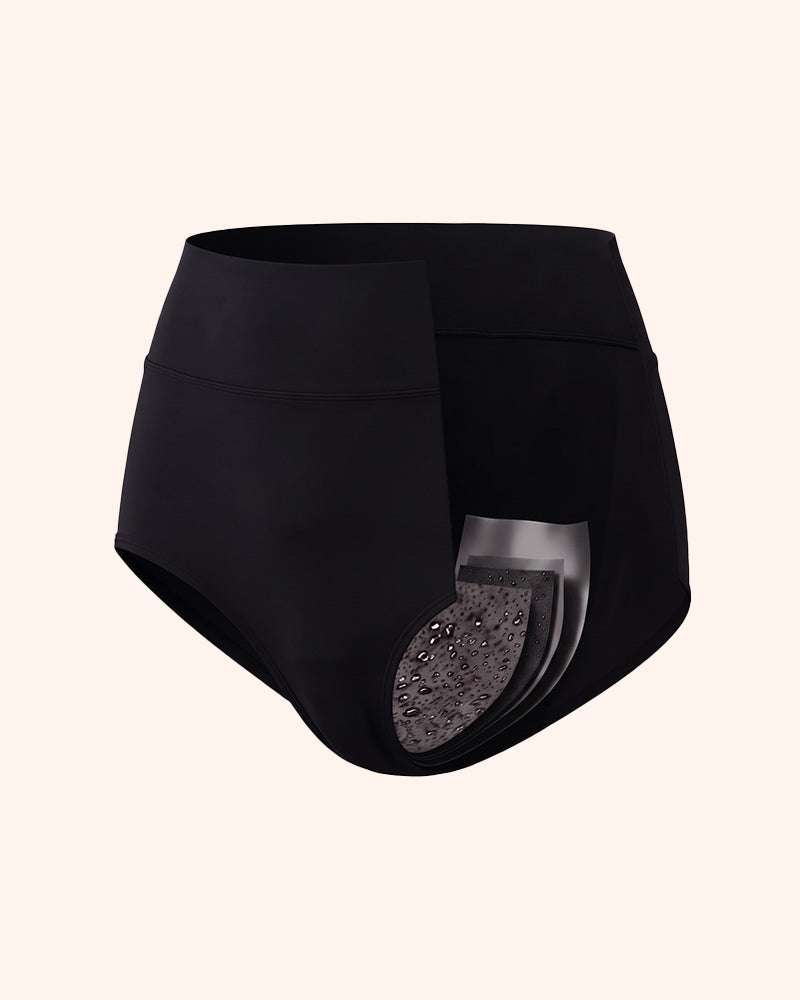
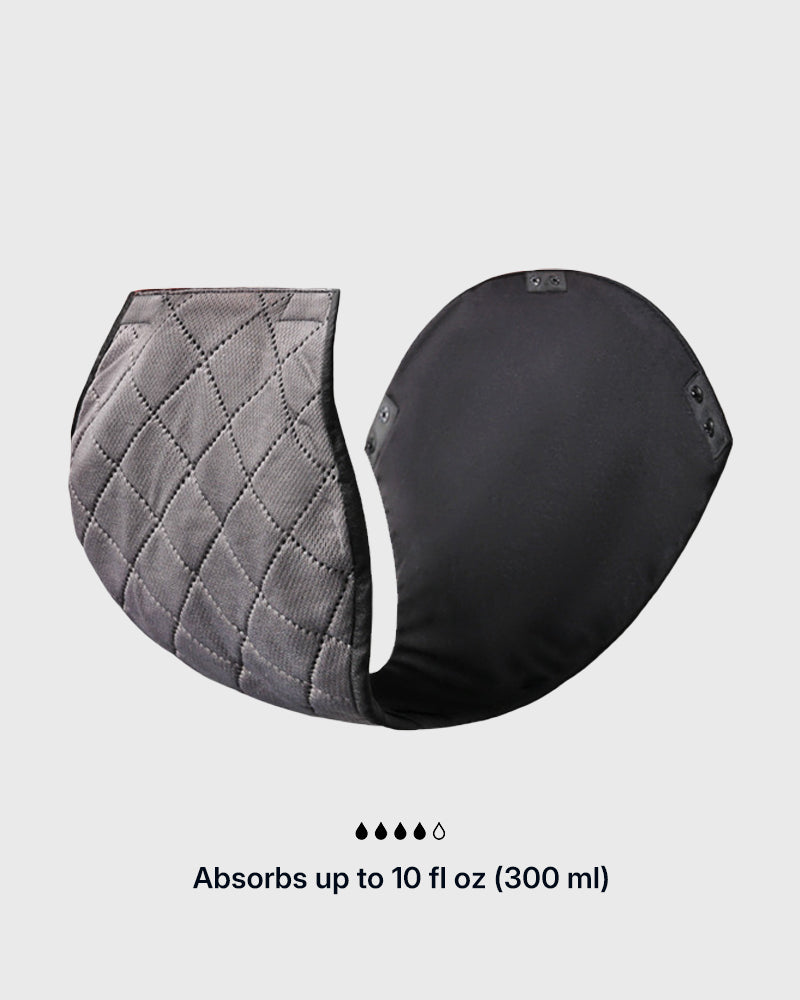
Pick the right absorbency for the day you actually have. A light day and a long day out are different jobs. Wearing underwear matched to your leaks means less dampness sitting against your skin — and less to worry about. Our women's leakproof underwear comes in different absorbency levels, so you can match the pair to the day.

The 30-second check before you head out
You don't need a mirror routine. Just three quick questions at the door.
One: am I wearing a fresh, dry pair? Two: do I have a spare and a pouch in my bag? Three: did I drink a glass of water in the last hour? If the answers are yes, yes, and yes, you're done. Go to your meeting. Go to lunch. The elevator ride will be fine.
And if you catch yourself sniffing your sleeve for the third time today — pause. That's the worry talking, not your nose. The people around you are thinking about their own day, their own coffee, their own inbox. You're background noise to them, in the best possible way.
One more thing worth saying plainly: if the smell is new, much stronger than usual, or comes with burning, cloudy urine, or a fever, that's a different conversation — one for your doctor, not a blog post. A urinary tract infection can change how urine smells, and it deserves a quick check. But the everyday worry — "can the person next to me tell?" — has a much simpler answer. Almost always, no.
Frequently asked questions
Can other people smell bladder leaks?
Usually not. A small leak caught by absorbent underwear and changed within a couple of hours produces very little odor, and other people are much farther from the source than you are. Smell becomes noticeable mainly when damp fabric sits for hours or outer clothing gets wet.
Can people smell urine on your clothes?
Only if the clothing itself is damp or was left damp for a long time. Dry, clean clothes don't carry urine odor. If your underwear caught the leak and your trousers or skirt stayed dry, there's nothing to smell — change the underwear, and the question goes away with it.
Does drinking more water make urine smell less?
Yes — in most cases, noticeably so. Diluted urine smells milder than concentrated urine. Drinking normally through the day is one of the simplest ways to keep leaks less noticeable, and it also helps your bladder behave better overall.
How often should I change leakproof underwear to stay fresh?
Change after a leak rather than on a fixed clock — for most people that means a fresh pair every few hours on a leak day, and sooner after a bigger leak. A quick rinse of the used pair keeps odor from setting in. Our timing guide on how often to change incontinence underwear has more detail.
What if my doctor says nothing is wrong but I still smell it?
Start with the basics: a fresh pair, a rinse-and-wash routine, normal water intake, and a spare in your bag. If the worry sticks around even when everything is fresh and dry, it may be anxiety doing the talking — which is common and worth mentioning at your next appointment, not something to be embarrassed about. For the background on why urine odor changes, see why urine smells strong and whether reusable underwear smells.
Related reading: Can People Tell You're Wearing Incontinence Underwear?

Share:
Why Do I Leak Urine More in the Morning? What Your First Hour Reveals About Your Bladder
Can a Tight Pelvic Floor Cause Bladder Leaks? Why Relaxing Matters More Than Squeezing