


The short answer: Yes — pelvic organ prolapse can cause bladder leaks. When the bladder or nearby organs slip down from their usual position, the bladder and urethra don't get the support they need, so coughing, lifting, or even standing up for a while can squeeze out a little urine. It doesn't mean something is broken beyond repair, and it doesn't always mean surgery. Plenty of women manage it with pelvic floor therapy, a pessary, or simple day-to-day changes.
If you've ever felt a heaviness between your legs at the end of a long day, or noticed a bulge when you shower, you may have wondered whether that's connected to the leaks. Often, it is.

What is pelvic organ prolapse, in plain language?
Think of your pelvic floor as a hammock. It holds up your bladder, uterus, and bowel. Pregnancy, childbirth, menopause, years of heavy lifting, or a cough that won't quit can stretch or weaken that hammock. When it gives way a bit, one or more organs drop lower than they should. That's prolapse.
It sounds alarming. In practice, it's common — especially after having children or after menopause — and it ranges from mild sagging to a bulge you can see or feel. Many women live with a mild prolapse for years without realizing it has a name. They just know something feels "off" down there.
One thing worth saying straight: prolapse is not your fault. It's not about doing Kegels wrong once, or lifting one grocery bag too many. It's usually a slow combination of things over years.
Can pelvic organ prolapse cause bladder leaks?
Yes, and the link is mechanical. When the bladder drops (a cystocele, the most common type), the angle of the urethra changes and the bladder may not empty fully. Urine left behind can make urgency worse — that sudden, "I need a bathroom right now" feeling — and the weakened support means pressure from a sneeze, a laugh, or picking up a grandchild can push urine out before you can stop it.
Here's the twist that confuses a lot of women: prolapse can cause both leaking and trouble peeing. You might dribble when you cough, yet still feel like you haven't finished when you sit on the toilet. Both can come from the same sagging support. Some women also find leaks get worse after a long day on their feet, and better first thing in the morning.
What does prolapse feel like?
Not everyone feels a bulge. Some women only notice the bladder symptoms. Others notice a cluster of small things that add up:
- A heavy, dragging feeling in the pelvis, worse by evening or after standing for hours
- Something that feels like a tampon slipping down, or a lump at the vaginal opening
- Needing to pee more often, or feeling like you can't quite finish
- Leaks when you cough, laugh, run, or lift — or urgency that hits fast
- Discomfort during sex, or a feeling of pressure low in the belly
- Needing to press on the vaginal wall or change position to empty your bladder or bowels
What are the main types?
Doctors name prolapse by which organ has dropped. You can have more than one type at once, which is part of why symptoms vary so much.
| Type | What has dropped | Bladder symptoms it often brings |
|---|---|---|
| Cystocele | Bladder bulging into the front vaginal wall | Stress leaks, urgency, feeling of incomplete emptying |
| Uterine prolapse | Uterus dropping into the vaginal canal | Pelvic pressure, urgency, leaks with effort |
| Rectocele | Rectum bulging into the back vaginal wall | More bowel symptoms, but bladder pressure can tag along |
| Vaginal vault prolapse | Top of the vagina dropping after hysterectomy | Pressure, urgency, sometimes stress leaks |
Your clinician will usually grade it during a pelvic exam. Stage 1 is mild; stage 4 means the bulge sits outside the body. The stage doesn't perfectly predict your symptoms — how you feel matters as much as the number.
What makes prolapse more likely?
Childbirth is the biggest single factor, especially a long pushing stage, a large baby, or several vaginal deliveries. Estrogen loss after menopause thins pelvic tissues, and so do chronic constipation, a persistent cough, and years of heavy lifting. Genetics play a part too. None of this means it's inevitable, and none of it means you caused it.
What can actually help?
Start with the least invasive options, and give them time. Most clinicians suggest this order:
Pelvic floor physiotherapy. A trained pelvic health physio checks your muscles, teaches you to lift rather than bear down, and builds a program around your actual prolapse — not a one-size video. For many women, this alone cuts leaks noticeably within a few months. Our guide to pelvic floor exercises for bladder control is a good place to start.
A pessary. This is a soft, removable silicone device that sits in the vagina and props things back up, a bit like a brace. It can reduce the heaviness and the leaks the same day you try it. Some women wear one only for exercise or long walks; others wear one daily.
Everyday load management. Treat constipation (fiber, water, and not rushing on the toilet), avoid holding your breath and straining when you lift, and split heavy loads. These sound small. Over months, they genuinely take pressure off the pelvic floor.
Hormone and medical options. For women after menopause, a clinician may discuss vaginal estrogen, which can improve tissue health. It's a conversation to have with your own doctor, not a decision to make from a blog post.
Surgery. For a prolapse that keeps getting in the way of daily life despite the steps above, surgical repair is an option — a bigger decision, with real recovery time, worth a second opinion before you say yes.
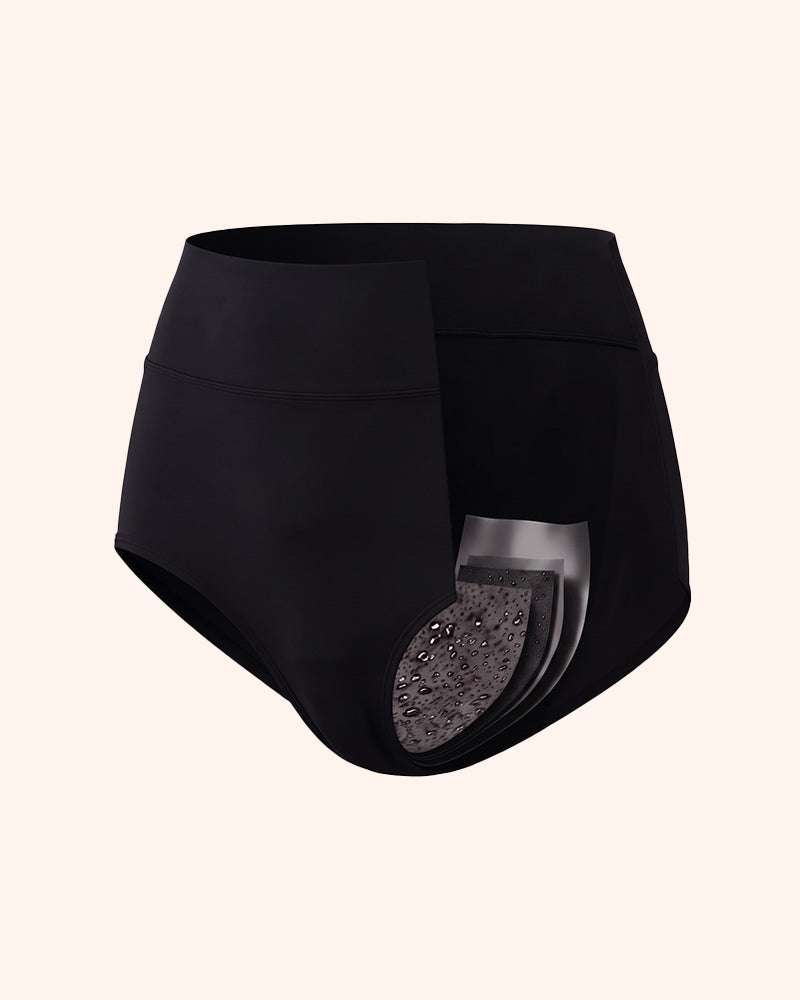
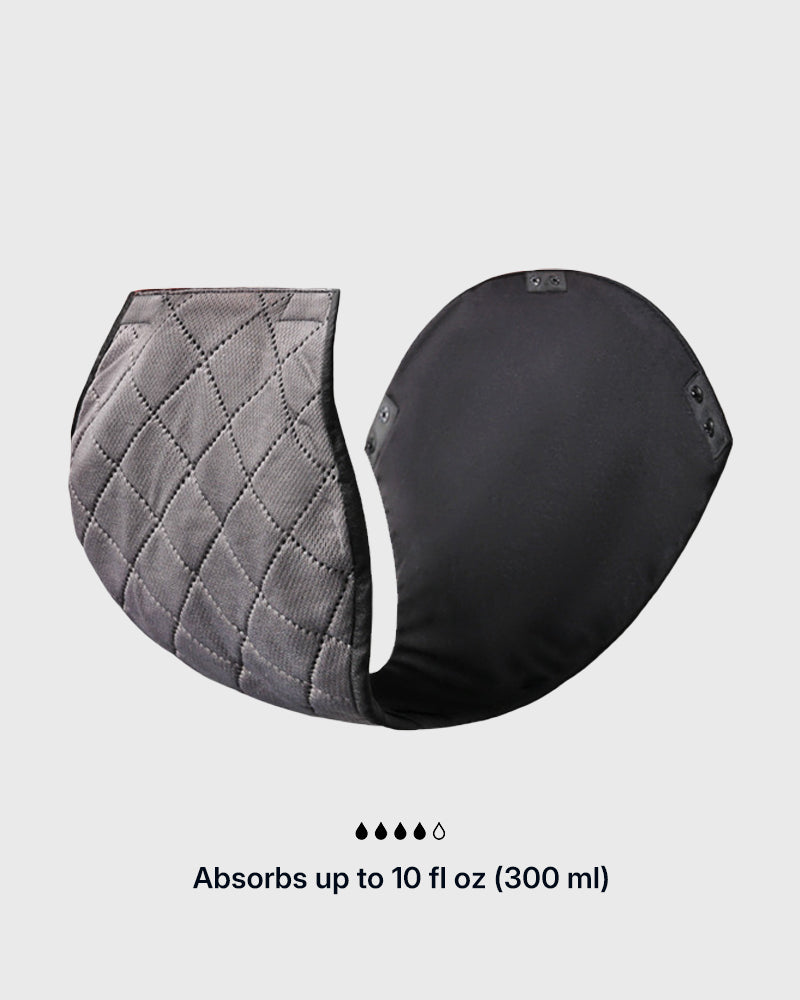
While you're working on the underlying cause, leakproof underwear just makes the days easier. You don't have to plan your route around bathrooms or carry a spare pair of pants "just in case." Our women's washable leakproof underwear is cut like regular high-waist briefs, so nothing about it announces itself under clothes. For days out, a waterproof carry pouch keeps a spare pair discreet in your bag, and a mesh laundry bag makes wash day simpler.
When should you get it checked promptly?
Book an appointment if you can feel or see a bulge, if leaks are new or getting worse, or if bladder symptoms are changing how you live — skipping walks, avoiding trips, planning your day around toilets. Those are all good enough reasons on their own.
Get seen sooner — same week, or urgent care if you can't get an appointment — if you can't pee at all, if the bulge stays outside and won't go back, if there's bleeding, fever, or severe pelvic pain, or if you notice a sore on the bulge. Our guide on when to see a doctor about bladder leaks covers the red flags in more detail, and how to talk to your doctor about incontinence has phrasing you can borrow word for word.
Frequently asked questions
Can pelvic organ prolapse cause bladder leaks even if I can't feel a bulge?
Yes. A mild prolapse can change bladder support without producing an obvious bulge, so leaks or urgency may be your only clue. An exam can pick up what you can't feel yourself.
Will pelvic organ prolapse get worse if I ignore it?
Not necessarily. Mild prolapse often stays stable for years, especially if you manage constipation, heavy lifting, and coughing. It can progress, though, so a check-in every year or two is sensible even if symptoms are mild.
Do Kegels fix prolapse?
They can improve support and reduce leaks, but they don't usually reverse a significant prolapse on their own. Done correctly — lifting, not bearing down — they're still one of the best first steps, and a physio can confirm your technique.
Can I still exercise with a prolapse?
Most women can, with adjustments. Walking, swimming, and gentle strength work are usually fine. High-impact jumping and heavy lifting with breath-holding put the most pressure on the pelvic floor, so talk through your routine with a pelvic health physio rather than quitting movement altogether.
Is a pessary uncomfortable?
It shouldn't be, once it's fitted right. A bit of awareness at first is normal, and if it pinches, slips, or causes discharge that smells off, that's a fitting issue to raise — not something to just put up with.
Does prolapse mean I'll need surgery eventually?
No. Many women never do. Surgery is for prolapse that keeps limiting daily life after conservative options have had a fair try, and plenty of women manage well for years without it.
So: if you've been blaming yourself for leaks that started alongside a heavy, dragging feeling, stop. Get it checked, find out which type you're dealing with, and start with the gentler options. You deserve a plan that fits your actual body — not another pack of pads and a shrug.

Share:
Can Diabetes Cause Bladder Leaks? How Blood Sugar Affects Bladder Control
Why Do You Wake Up to Pee at Night? Nocturia Causes and What Can Help