


The short answer: does Botox help overactive bladder? Yes — for many people it helps a lot. It isn't usually the first thing a doctor tries, though. It tends to come into the picture after bladder training and medication haven't done enough, and it works best when your main problem is urgency: that sudden, hard-to-ignore need to go, sometimes with leaks before you reach a bathroom.

If you've ever planned your whole morning around where the bathrooms are — skipped the coffee, left the house early, sat on the aisle seat — you know why people start asking about stronger options. Botox is one of them. Here's what it actually involves, minus the hype.
How does Botox calm an overactive bladder?
Your bladder muscle, the detrusor, is supposed to stay relaxed while it fills and squeeze only when you decide to go. With overactive bladder, it squeezes when it shouldn't. That's where the urgency comes from, and sometimes the leak that follows it.
Botox — botulinum toxin — blocks the nerve signals that tell that muscle to contract. A urologist injects small amounts directly into the bladder wall through a thin scope passed through the urethra. It's an office procedure, not surgery. Most people are in and out within half an hour, and there's no incision to heal.
Don't picture a cosmetic appointment — different dose, different goal. The doctor usually makes 10 to 20 tiny injections spread across the bladder wall, often after numbing gel so the scope itself is the uncomfortable part, not the needles.
Does Botox help overactive bladder? How well does it actually work?
Honestly? It varies. In clinical studies, many people cut their urgency episodes and leaks roughly in half. Some do much better. A smaller group notices barely any change.
One thing to know up front: it doesn't work overnight. Most people start feeling a difference within one to two weeks, with the full effect around week six. So if you're hoping for relief before a trip next weekend, the timing won't line up. Plan around that.
It also doesn't fix every kind of leak. If your leaks mostly happen when you cough, laugh, or lift something heavy — that's stress incontinence, a different mechanism — Botox for the bladder muscle won't be the right tool. That's why a doctor usually checks which type you have first. If you're not sure which camp you're in, this guide can help: How to Tell If Your Bladder Leaks Are Stress or Urge Incontinence.
How long does bladder Botox last?
Typically six to nine months. Then the nerve signals gradually return, and symptoms creep back. Most people who respond well repeat the injections once or twice a year.
That's the trade-off. Pills every day, Botox a couple of times a year — neither is a one-and-done cure.
What are the side effects?
The two most common ones are urinary tract infections and trouble emptying your bladder fully. The second one matters more than it sounds. If the bladder muscle relaxes too much, you might not empty completely, and some people need to use a catheter temporarily until the effect wears off a bit.
Before your first treatment, a doctor will usually check whether you can self-catheterize if it comes to that. If you can't, or won't, that's often a reason to pick a different option. Other side effects are usually short-lived: a little blood in your urine for a day or two, or a sting when you pee right after the procedure.
Serious complications are uncommon, but this is still a real medical procedure. It belongs in a conversation with your doctor, not a decision you make from a blog post — including this one.
What happens at the appointment?
A typical visit goes something like this. You arrive, give a urine sample to rule out infection, and change into a gown. The doctor applies numbing gel, passes the scope, and makes the injections — mostly pressure, not pain. Then you pee before you leave, so they can confirm you empty, and head home the same morning.
Most people go back to normal activities the same day. You'll likely skip heavy lifting for a day or two and drink a bit more water than usual. That's about it.
How does Botox compare with other overactive bladder treatments?
| Option | How it works | How often | Main downside |
|---|---|---|---|
| Bladder training | Gradually stretches the time between bathroom trips | Daily practice for weeks | Takes patience; results build slowly |
| Oral medication | Relaxes the bladder muscle or blocks nerve signals | A pill every day | Dry mouth, constipation, and drowsiness are common |
| Botox injections | Blocks nerve signals in the bladder wall | Every 6–9 months | UTI risk; some people need temporary catheter use |
| Nerve stimulation | Gently stimulates nerves that control the bladder | Weekly sessions, then maintenance, or a small implant | Time commitment, or a device under the skin |
Doctors usually work through that list top to bottom. If you haven't tried bladder training yet, it's the cheapest place to start: Bladder Training: How to Reduce Urgency and Frequent Bathroom Trips.
How much does bladder Botox cost?
Without insurance, a session can run into four figures once you add the procedure fee. With insurance, it's often covered — but usually only after you've tried and failed at least one medication first. Ask your insurer about that rule before you book.
If cost is part of your decision, this breakdown of FSA, HSA, and coverage options may help: Does Insurance Cover Incontinence Underwear? FSA, HSA, and Ways to Save.
Who is it for — and who should skip it?
Botox tends to make sense if urgency dominates your symptoms, you've already tried behavioral changes and at least one medication, and you're comfortable with the idea of repeat treatments. It can be a good fit for people who can't tolerate pill side effects — that dry mouth that makes every meal a chore, for instance.
It's usually not the pick if you have a current infection, you can't self-catheterize and wouldn't want to, you're pregnant, or you have certain muscle or nerve conditions your doctor will screen for. Men get bladder Botox too — overactive bladder isn't a women's-only problem, even though it gets talked about that way.
What about everyday life while you decide?
Referrals, insurance calls, a waiting list — meanwhile you're still doing the school run and sitting through long meetings.
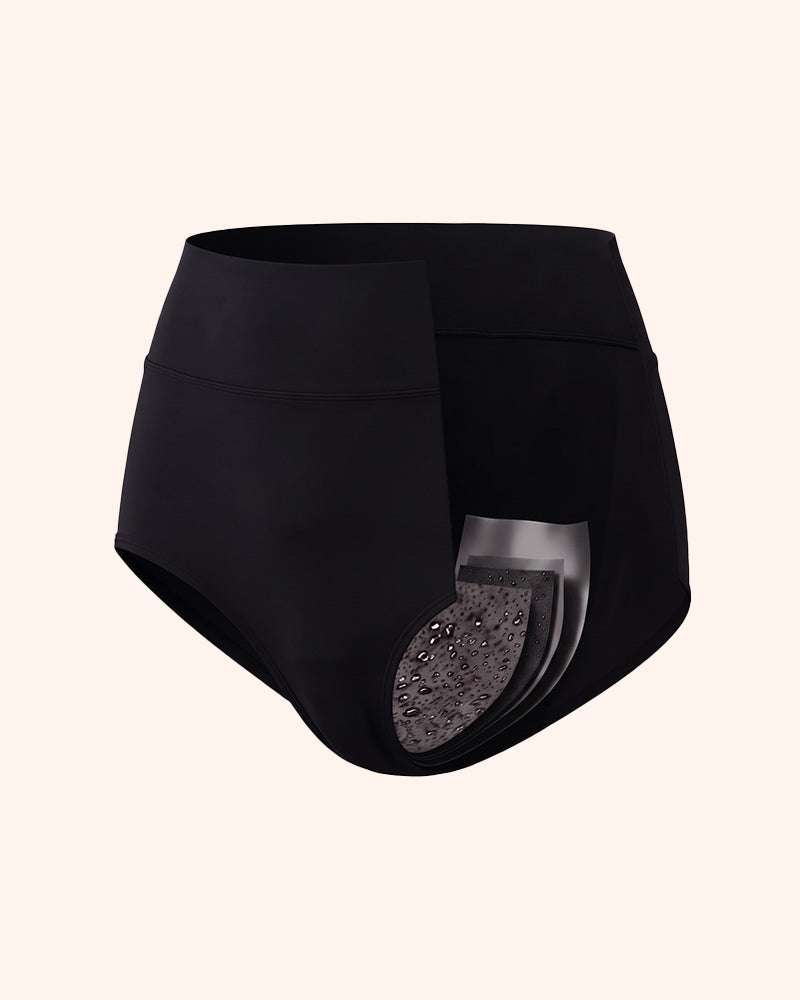
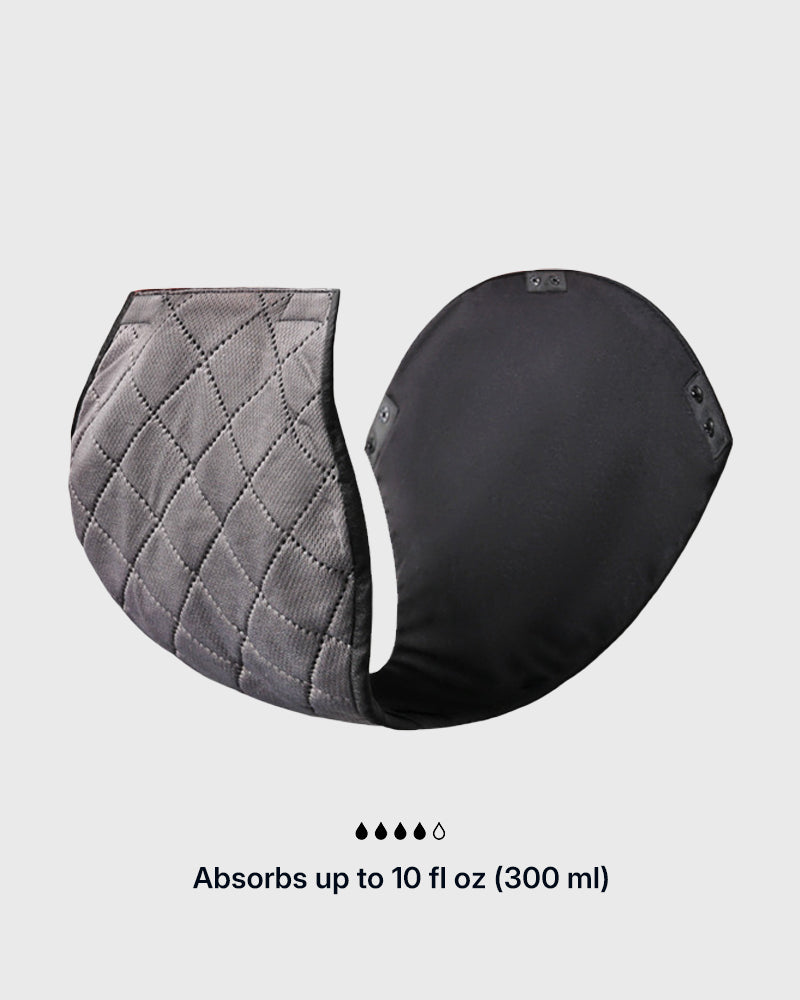
That's the unglamorous part nobody puts in a brochure: protection you don't have to think about. Washable leakproof underwear handles the leaks while you sort out the longer-term plan, and it doesn't add to the landfill pile the way disposables do. If you're working out what protection you need day to day, Rooces women's leakproof underwear and the men's version are built for exactly that in-between period. Toss a waterproof carry pouch in your bag and a laundry bag in the hamper, and the logistics get a lot simpler.
Frequently asked questions
Does Botox help overactive bladder?
For many people, yes — Botox does help overactive bladder. Studies show a meaningful drop in urgency episodes and leaks, though results vary and it works best for urgency-driven symptoms rather than stress leaks.
Is bladder Botox painful?
Most people describe pressure and brief discomfort rather than real pain. Numbing gel helps, and the whole thing is usually over in under 30 minutes.
How long does bladder Botox last?
Botox helps overactive bladder for six to nine months, with the effect fading gradually. Repeat injections once or twice a year are the norm for people who respond well.
Can Botox make you unable to pee?
It can make emptying harder, yes — that's the main risk to take seriously. Some people need a catheter for a while until the effect eases, which is why your doctor checks your ability to self-catheterize beforehand.
How much does bladder Botox cost?
Without coverage it can run into four figures per session. Insurance often covers it after other treatments have failed, so check your plan's rules before you book.
Do I still need leakproof underwear after Botox?
Probably, at least sometimes. Botox reduces symptoms; it rarely erases them completely. Plenty of people keep a pair of leakproof underwear as backup — on long drives, at 2 a.m., on the days the effect is wearing off.
If urgency is running your schedule — if you're turning down invitations, or doing the third load of laundry this week because of one bad morning — bring it up at your next appointment. A week-long bladder diary, noting when you go, what you drank, and when leaks happen, gives your doctor something concrete to work with. Start with What Is a Bladder Diary and How to Keep One for Incontinence?, and if anything on this page raised a red flag for you, When Should You See a Doctor About Bladder Leaks? lays out the warning signs worth acting on sooner.

Share:
Can Yoga Help With Bladder Leaks? Poses, Breathing, and What to Skip
How to Manage Bladder Leaks on a Long Shift When You Can't Just Leave for the Bathroom