

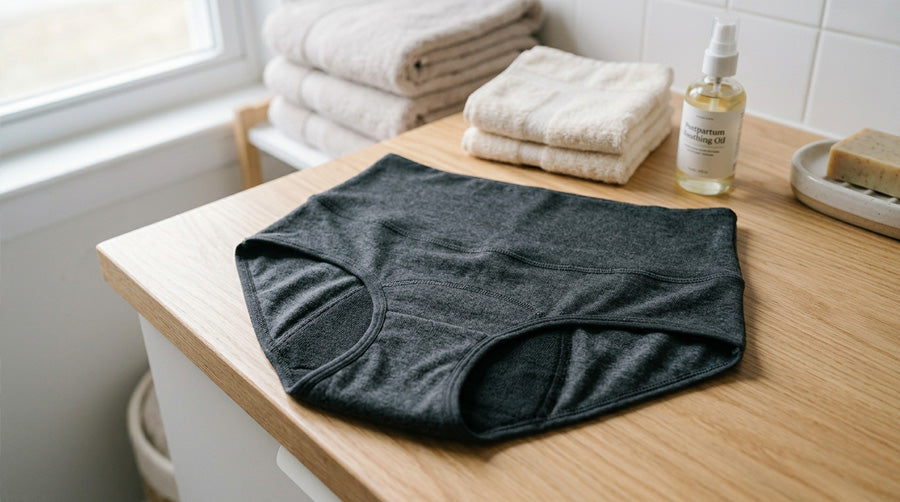
Choosing incontinence underwear can feel surprisingly complicated. There are different absorbency levels, fits, fabrics, designs, and reusable or disposable options.
The most important question is not simply, “Which underwear absorbs the most?” It is:
Which type of underwear fits your leakage pattern, body, routine, and comfort needs?
Incontinence underwear can help manage urine leakage during everyday activities, work, travel, exercise, sleep, or social situations. But the right choice depends on several factors—not absorbency alone.
What Is Incontinence Underwear?
Incontinence underwear is underwear designed with absorbent materials that can capture urine leakage and help protect clothing.
Some styles are washable and reusable, while others are disposable. Some look similar to regular underwear, while others are designed more like protective briefs or pull-up pants.
These products are designed to manage leakage. They do not treat the underlying cause of urinary incontinence.
Protective underwear is one of several options available for managing bladder leaks, alongside pads, briefs, and other products. Understanding your type of leakage can make it easier to choose the appropriate level of protection.
1. Start With Your Leakage Pattern
Before choosing underwear, think about when leakage happens.
- Do you leak when coughing, sneezing, laughing, lifting, or exercising?
- Do you sometimes have a sudden urge and leak before reaching the bathroom?
- Do you experience small leaks throughout the day?
- Do you mainly need protection during exercise or travel?
- Do you need protection overnight?
- Are your symptoms related to recovery after childbirth or prostate surgery?
These patterns can help you decide how much protection you actually need.
For example, someone with occasional light leakage during exercise may have very different needs from someone experiencing repeated leakage throughout the day.
If you are not sure what type of leakage you have, start with Stress vs. Urge Incontinence: How to Tell the Difference.
2. Absorbency: Choose Enough, Not Simply the Most
Absorbency is one of the first specifications people look at, but higher absorbency is not automatically better.
More absorbent products can sometimes be thicker or feel less like ordinary underwear. If your leakage is light, excessive protection may add unnecessary bulk.
Instead, match absorbency to your typical situation.
| Typical situation | What to consider |
|---|---|
| Occasional small leaks | Light, discreet protection |
| Regular daytime leaks | Moderate protection and secure fit |
| Exercise or active days | Absorbency plus stable fit |
| Long outings or travel | Protection matched to your usual leak volume |
| Overnight leakage | Higher capacity and secure coverage |
Your actual needs may vary from day to day. Some people may prefer lighter protection for normal activities and a higher-capacity option for exercise, travel, or overnight use.
3. Pay Attention to Fit
A good fit is just as important as absorbency.
Incontinence underwear should sit securely against the body without feeling painfully tight.
Look at these areas:
- Waistband: It should stay in place without digging into the skin.
- Leg openings: They should feel secure without excessive pressure.
- Rise: The front and back should provide enough coverage for your body shape.
- Absorbent area: The protection should cover the areas where leakage actually occurs.
- Overall fit: The underwear should stay in position while walking, sitting, bending, and moving.
An overly loose product may shift during movement. An overly tight product can become uncomfortable and may create unnecessary pressure around the waist or legs.
4. Consider Your Body and Anatomy
Men and women may have different leakage patterns and different design needs.
Women's underwear may use a wider or differently positioned absorbent area to accommodate female anatomy and common leakage patterns.
Men's underwear may use additional coverage toward the front and may be shaped differently around the waist, hips, and legs.
However, gender labels alone should not determine your choice. The actual design, absorbent-zone placement, coverage, and fit matter more than the label on the package.
5. Look Beyond Absorbency: Fabric and Breathability
You may wear incontinence underwear for several hours at a time, so the material matters.
Look for fabrics that feel comfortable against your skin and allow reasonable airflow. Moisture-management features can also make the product feel more comfortable during extended wear.
If you have sensitive skin, pay particular attention to fabric composition, seams, elastic edges, and any materials that may irritate your skin.
If leakage frequently leaves your skin damp or irritated, changing into clean underwear and maintaining good skin care may be more important than simply choosing a higher absorbency level.
6. Think About Discreetness
For many people, discretion is a major part of feeling comfortable in public.
Consider:
- How bulky the absorbent area feels
- Whether the underwear makes noticeable noise when moving
- Whether the waistband shows under clothing
- Whether the leg openings create visible lines
- Whether the overall shape resembles ordinary underwear
A product that provides enough protection while remaining comfortable under your normal clothing may be more practical than a much bulkier option that you avoid wearing.
7. Daytime and Overnight Needs May Be Different
You may not need the same underwear for every part of your day.
For daytime use, you may prioritize:
- Lightweight construction
- Freedom of movement
- Discreet appearance
- Comfort during sitting and walking
For overnight use, you may prioritize:
- Higher absorbency
- Broader coverage
- Secure positioning while sleeping
- Comfort during long periods of wear
If nighttime leakage is your main concern, see Why Do I Leak Urine While Sleeping? for more information about possible causes and practical management.
8. Reusable vs. Disposable Incontinence Underwear
Both reusable and disposable products can have a place in leakage management.
| Reusable | Disposable |
|---|---|
| Washed and used again | Used once and discarded |
| Designed for repeated use | Convenient for travel or changing away from home |
| May feel more like regular underwear | Often available in different protection levels |
| Requires washing and drying | No laundry required |
Reusable underwear can be particularly convenient for people who experience recurring leakage and prefer a washable option. NIDDK lists absorbent, washable incontinence underwear among products that can help people manage urine leaks.
Disposable products may be convenient when laundry is difficult, during travel, or when frequent changes are needed.
The best choice depends on your routine, preferences, leakage pattern, and access to laundry facilities.
9. Choose the Right Size
Do not choose incontinence underwear based only on your usual underwear size.
Check the manufacturer's size chart and compare your measurements with the recommended range.
If you are between sizes, consider how the product is designed to fit and whether you prefer a closer or more relaxed feel.
Remember that sizing can vary considerably between brands. A medium in one product may not fit like a medium in another.
10. Think About Where You Will Wear It
The best product for one situation may not be the best for another.
| Situation | Useful priorities |
|---|---|
| Work | Discreetness and comfort |
| Exercise | Secure fit and movement |
| Travel | Protection and easy changes |
| Public events | Discreetness and confidence |
| Overnight | Coverage and capacity |
This is why some people keep more than one style or absorbency level available.
11. Check the Care Requirements for Reusable Underwear
If you choose washable underwear, check the care instructions before buying.
Look for clear information about:
- Maximum washing temperature
- Machine-washing instructions
- Drying requirements
- Whether fabric softener should be avoided
- Whether bleach or high heat can damage the absorbent materials
Proper care can help preserve the fabric and absorbent performance over repeated use.
For a practical routine, see How to Wash and Care for Reusable Bladder Leak Underwear.
12. Consider How Much Protection You Actually Need
A useful way to choose is to think in terms of your normal day rather than your worst imaginable accident.
Ask yourself:
- How often do I leak?
- How much do I typically leak?
- What activities trigger leakage?
- How long will I wear the underwear before changing?
- Will I have access to a bathroom?
- Will I have access to a change of underwear?
If you are unsure, tracking your symptoms for a few days can provide useful information. A bladder diary can record drinks, bathroom trips, leakage episodes, urgency, and what you were doing when leakage occurred. NIDDK recommends bladder diaries as part of evaluating bladder control problems.
13. When Incontinence Underwear Is Not Enough
Protective underwear can make daily life easier, but it should not become a reason to ignore new or worsening bladder symptoms.
Consider talking with a healthcare professional if:
- Your leakage is new or suddenly getting worse.
- You frequently have a strong, difficult-to-control urge to urinate.
- You regularly wake at night to urinate or leak during sleep.
- You have pain or burning when urinating.
- You notice blood in your urine.
- You have difficulty emptying your bladder.
- Leakage is interfering with work, exercise, travel, sleep, or relationships.
Urinary incontinence can have different causes, and treatment depends on the type and underlying cause. Protective products can manage symptoms, but they do not address the underlying condition.
14. A Simple Way to Choose
If you are overwhelmed by all the choices, use this five-step process:
- Identify your leakage pattern. Stress, urgency, mixed, nighttime, or occasional leakage?
- Estimate your typical protection needs. Choose enough absorbency for your usual situation.
- Measure for the correct size. Use the manufacturer's measurements rather than guessing.
- Prioritize your lifestyle. Consider work, exercise, travel, sleep, and everyday clothing.
- Choose the care routine you can realistically maintain. Reusable products require washing and drying; disposable products require regular replacement.
Quick Checklist
| What to check | Why it matters |
|---|---|
| Absorbency | Matches typical leakage |
| Fit | Helps prevent shifting |
| Coverage | Matches leakage location |
| Fabric | Affects comfort and skin feel |
| Discreetness | Works better under clothing |
| Care | Determines maintenance effort |
| Use case | Matches your daily routine |
The Bottom Line
The best incontinence underwear is not necessarily the thickest or most absorbent option.
Look for a balance of appropriate absorbency, secure fit, comfortable materials, discreet design, suitable coverage, and practical care requirements.
Your leakage pattern and daily routine should guide the decision. And if leakage is new, worsening, painful, or interfering with your life, underwear can provide practical protection while you also address the underlying issue with a healthcare professional.
Frequently Asked Questions
How do I choose the right incontinence underwear?
Start with your typical leakage pattern and amount. Then consider absorbency, fit, coverage, comfort, discreetness, intended use, and care requirements. Your usual underwear size is not always the correct size, so check the manufacturer's size chart.
What absorbency level should I choose?
Choose enough absorbency for your typical leakage rather than automatically choosing the highest level. Light leakage may require less protection, while frequent or overnight leakage may require more coverage and capacity.
Is reusable incontinence underwear effective?
Washable absorbent underwear can help manage urine leakage and can be reused after washing according to the manufacturer's care instructions. NIDDK lists absorbent, washable incontinence underwear as one option for coping with bladder control problems.
Is reusable or disposable incontinence underwear better?
Neither option is universally better. Reusable underwear may suit people who prefer washable products for regular use, while disposable products can be convenient for travel, frequent changes, or situations where laundry is not practical.
Should incontinence underwear feel tight?
It should fit securely but should not feel painfully tight. The waistband and leg openings should stay in place without excessive pressure, and the absorbent area should remain positioned correctly during movement.
Can I wear incontinence underwear all day?
That depends on the product and your leakage level. Follow the manufacturer's wear and care guidance, and change when the product is wet, soiled, uncomfortable, or no longer providing adequate protection.
Can men and women wear the same incontinence underwear?
Some products are unisex, but men and women may benefit from different absorbent-zone placement and garment shapes. Look at the actual coverage, fit, and design rather than relying only on the product label.
What is the difference between incontinence underwear and regular underwear?
Incontinence underwear contains absorbent materials designed to manage urine leakage. Depending on the design, it may look and feel similar to regular underwear while providing additional protection.
Can incontinence underwear stop urinary incontinence?
No. Incontinence underwear manages leakage but does not treat the underlying cause. Depending on the type of urinary incontinence, treatment may include pelvic floor muscle training, bladder training, lifestyle changes, medication, devices, or other medical options.
When should I see a healthcare professional about bladder leaks?
Consider seeking medical advice for new, persistent, or worsening leakage, especially if you also have pain or burning when urinating, blood in your urine, difficulty emptying your bladder, or symptoms that significantly interfere with daily life.
Related Reading
- Can Constipation Cause Bladder Leaks? The Connection Between Bowel and Bladder Health
- Can Dehydration Cause Bladder Leaks? How Drinking Too Little May Affect Bladder Symptoms
- How Often Should You Pee? What’s Normal and When to Pay Attention
Looking for discreet, reusable protection? Explore Rooces women's and men's washable incontinence underwear designed for everyday confidence.



Share:
How to Tell If Your Bladder Leaks Are Stress or Urge Incontinence
Can Constipation Cause Bladder Leaks? The Connection Between Bowel and Bladder Health