

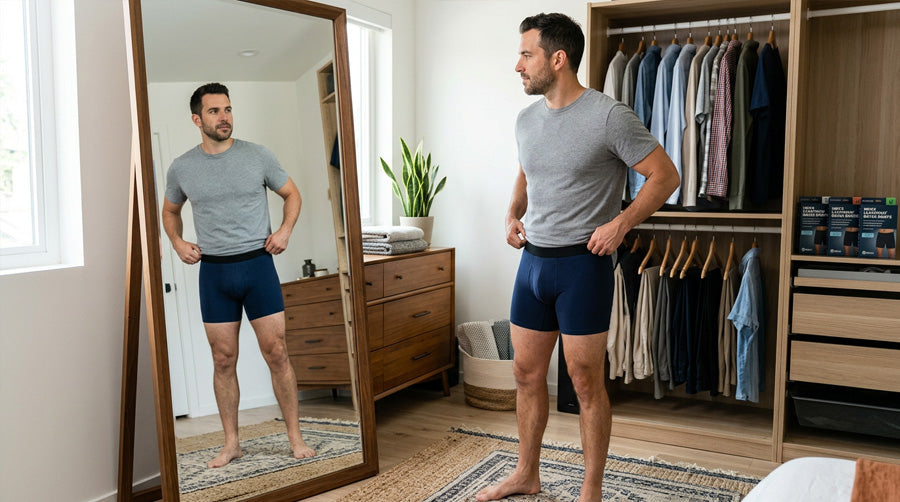
Urinary leakage after prostate surgery can be one of the most frustrating parts of recovery. A few drops when standing up, coughing, walking, or exercising may feel discouraging, especially if you were not expecting bladder control to change after treatment.
The important thing to know is that urinary leakage can occur after prostate procedures, and bladder control may change during recovery. The amount and duration of leakage vary from person to person and depend on the type of procedure, treatment history, and other individual factors.
Understanding what may happen during recovery can help you prepare, track changes, and know when it is worth discussing symptoms with your healthcare team.
Why Can Urinary Leakage Happen After Prostate Surgery?
Bladder control depends on coordinated function between the bladder, urethra, urinary sphincter, pelvic floor muscles, nerves, and brain.
Prostate surgery can affect structures involved in this system. After treatment, some men may temporarily have less control over urine, particularly during activities that increase pressure on the bladder.
NIDDK notes that surgery or radiation treatment for prostate cancer can contribute to bladder control problems, including stress incontinence, and that bladder control problems may improve over time.
What Does Leakage After Surgery Usually Look Like?
Post-surgical leakage does not necessarily look the same for every man. Some men experience occasional drops, while others need more substantial protection during the early recovery period.
| Situation | Possible leakage pattern |
|---|---|
| Standing up | A few drops when changing position |
| Coughing or sneezing | Leakage caused by increased pressure |
| Walking or exercising | Leakage during physical activity |
| Lifting | Leakage when abdominal pressure increases |
| Sudden urgency | Leakage after a strong urge to urinate |
These patterns can overlap. The pattern you experience is useful information to record and discuss with your healthcare professional.
Is Leakage After Prostate Surgery Normal?
Urinary leakage can occur after prostate surgery, but “normal” should not be interpreted as meaning that every symptom should simply be ignored.
For example, NIDDK reports that bladder control problems may occur after treatment for prostate problems and that they often improve over several months after some prostate procedures. Men who have had prostate cancer surgery or radiation can also experience short-term or longer-lasting urinary incontinence.
Your own surgeon or healthcare team is in the best position to explain what is expected after your specific procedure.
How Long Does It Take to Regain Bladder Control?
There is no single recovery timeline that applies to every man.
Some men notice improvement relatively quickly, while others experience a more gradual recovery. Factors such as the type of surgery, baseline bladder function, pelvic floor muscle function, age, other health conditions, and previous treatments can all affect recovery.
The AUA/GURS/SUFU guideline notes that pelvic floor muscle exercises can support earlier continence recovery after radical prostatectomy, while also emphasizing that long-term continence outcomes can vary.
Rather than focusing only on a specific number of weeks or months, look for your own trend: Are leaks becoming less frequent? Are you using less protection? Can you stay dry during activities that previously caused leakage?
Pelvic Floor Exercises After Prostate Surgery
Pelvic floor muscle training is one of the most important non-surgical strategies used to support bladder control.
The pelvic floor muscles help control urine release. Strengthening these muscles can make it easier to maintain continence during activities that increase pressure on the bladder.
NIDDK states that men can benefit from pelvic floor muscle exercises, while the AUA/GURS/SUFU guideline recommends pelvic floor muscle exercises or pelvic floor muscle training in the immediate post-operative period after radical prostatectomy.
Focus on correct technique
Pelvic floor training is not about squeezing every muscle as hard as possible.
- Identify the muscles used to control urine or hold back gas.
- Gently contract the pelvic floor.
- Hold the contraction according to your prescribed or beginner exercise plan.
- Fully relax between contractions.
- Avoid repeatedly practicing the exercise while urinating.
NIDDK recommends learning to isolate the pelvic floor muscles without unnecessarily tightening the abdomen, thighs, or buttocks.
If you are unsure whether you are using the correct muscles, ask your healthcare team or a pelvic floor physical therapist for guidance.
Should You Do More Kegels If You Are Still Leaking?
Not necessarily.
Doing more repetitions does not automatically mean faster recovery. NIDDK specifically advises against overdoing pelvic floor exercises because excessive exercise can contribute to straining when urinating or having a bowel movement.
A structured routine with good technique and adequate relaxation is generally more useful than repeatedly squeezing throughout the day.
What About Walking and Exercise?
Physical activity can remain an important part of recovery, but the timing and intensity should follow the instructions given by your surgical team.
Walking is often easier to incorporate than high-impact exercise, but the appropriate activity level depends on your procedure and recovery status.
As your healthcare team allows you to increase activity, pay attention to whether particular movements trigger leakage.
| Activity | What to monitor |
|---|---|
| Walking | Leakage during longer walks |
| Strength training | Leakage during lifting or straining |
| Running | Leakage from repeated impact |
| Cycling | Comfort and urinary symptoms |
If an activity repeatedly causes significant leakage, discuss it with your healthcare professional rather than assuming you need to permanently avoid exercise.
Practical Ways to Manage Leakage During Recovery
While your bladder control is improving, practical protection can make everyday life less stressful.
Use protection that matches your leakage level
Different men have different levels of leakage. Some may need only light protection, while others may need higher absorbency during the early recovery period.
The right level depends on how much you leak, how long you will be away from home, and what activity you are doing.
Plan around bathroom access
When going to work, traveling, or exercising, knowing where bathrooms are can reduce anxiety about unexpected urgency.
Carry a spare
A spare pair of underwear or an additional absorbent product can be useful during longer outings.
Choose comfortable clothing
Clothing that makes changing easier can be especially useful during the early recovery period when leakage is less predictable.
Can Reusable Absorbent Underwear Be Used After Prostate Surgery?
Reusable absorbent underwear can be one practical option for managing urine leakage during recovery.
It can provide a layer of absorbency while looking and feeling more like regular underwear than some traditional disposable protection.
However, absorbent underwear manages leakage; it does not correct the underlying cause. The appropriate product depends on your leakage volume, activity level, comfort preferences, and personal care routine.
If your leakage is heavier during the early recovery period, choose protection based on actual absorbency needs rather than appearance alone.
What Should You Track During Recovery?
Instead of judging recovery based on one difficult day, look for changes over time.
- How often you experience leakage
- How much protection you need
- Which activities trigger leakage
- Whether nighttime leakage is occurring
- Whether urgency is becoming more or less frequent
- Whether your urine stream or ability to empty your bladder has changed
A simple record can make it easier to explain your symptoms during follow-up appointments.
When Should You Contact Your Healthcare Team?
Contact your healthcare team if your symptoms are concerning, worsening, or different from what you were told to expect after surgery.
Seek medical attention for symptoms such as:
- Inability to urinate or empty your bladder
- Blood in the urine
- Painful urination
- Signs of a urinary infection
- Significant or worsening pelvic pain
- New symptoms that concern you
- Persistent leakage that is interfering with daily life
NIDDK specifically advises seeking care for inability to pass urine, blood in the urine, painful urination, and other significant urinary symptoms.
A Simple Recovery Framework
| Stage | Focus |
|---|---|
| Early recovery | Follow surgical instructions and protect against leaks |
| Building control | Practice pelvic floor training correctly |
| Increasing activity | Gradually return to approved activities |
| Tracking progress | Look for changes in frequency and volume of leaks |
| Persistent symptoms | Discuss ongoing leakage with your healthcare team |
What If Bladder Control Is Not Improving?
Do not assume that you simply have to live with ongoing leakage.
If symptoms remain bothersome, your healthcare professional can assess the type and severity of incontinence and discuss additional management options.
Depending on the underlying cause, treatment may include pelvic floor muscle training, bladder training, medication, devices, or procedures. NIDDK describes several treatment approaches for bladder control problems, while the AUA guideline provides specific recommendations for incontinence after prostate treatment.
Frequently Asked Questions
Is urinary leakage common after prostate surgery?
Urinary leakage can occur after prostate surgery, particularly after procedures that affect the prostate and structures involved in urinary control. The amount and duration of leakage vary between individuals.
How long does urinary leakage last after prostate surgery?
There is no universal recovery timeline. Some men improve relatively quickly, while others experience gradual improvement over several months or longer. Your procedure and individual recovery factors matter.
Can Kegel exercises help after prostate surgery?
Pelvic floor muscle exercises may help improve bladder control after prostate surgery. The AUA/GURS/SUFU guideline recommends pelvic floor muscle exercises or training after radical prostatectomy.
When should I start pelvic floor exercises after prostate surgery?
The timing and progression should follow the instructions from your surgical team. The AUA/GURS/SUFU guideline recommends pelvic floor muscle exercises or training in the immediate post-operative period after radical prostatectomy, with progression during follow-up.
Should I exercise if I am still leaking urine?
Exercise does not necessarily need to stop because of urinary leakage. Follow your surgeon's activity restrictions and gradually return to approved activities. If certain movements repeatedly cause leakage, discuss them with your healthcare team.
Can walking help during recovery?
Walking can be part of physical activity during recovery when approved by your healthcare team. NIDDK recommends regular physical activity as part of bladder-health management, although post-surgical activity restrictions should always take priority.
Can I use absorbent underwear after prostate surgery?
Absorbent underwear can help manage accidental urine leakage and protect clothing during recovery. It is a practical management tool rather than a treatment for the underlying cause.
What if I still have significant leakage months after surgery?
Persistent or bothersome leakage should be discussed with your healthcare team. Additional evaluation can help determine the type and severity of incontinence and whether further management options are appropriate.
Is urinary leakage after prostate surgery permanent?
Not necessarily. Some men experience improvement as they recover, while others have longer-lasting symptoms. Recovery varies considerably, so persistent leakage should be evaluated rather than assumed to be permanent.
Can pelvic floor exercises make things worse?
Doing pelvic floor exercises incorrectly or excessively can cause problems. If you experience pain, difficulty urinating, or uncertainty about the correct technique, seek guidance from a healthcare professional or pelvic floor physical therapist.
The Bottom Line
Urinary leakage after prostate surgery can be a challenging part of recovery, but it does not necessarily define your long-term bladder control.
Follow your surgical team's instructions, learn proper pelvic floor technique, gradually return to approved activities, track changes in your symptoms, and use practical protection when needed.
Most importantly, do not judge your recovery from a single difficult day. Look for the overall trend and discuss persistent or concerning symptoms with your healthcare team.
This article is for general educational purposes and does not diagnose or treat any medical condition. Recovery after prostate surgery varies by procedure and individual health history. Follow the specific instructions provided by your healthcare team.
Male Urinary Leakage After Prostate Surgery: Quick Answers
Why does urinary leakage happen after prostate surgery?
Prostate surgery can affect structures involved in bladder control, including the urinary sphincter, pelvic floor muscles, nerves, and surrounding tissues. This can result in temporary or longer-lasting urinary leakage.
How long does leakage last after prostate surgery?
Recovery varies. Some men improve relatively quickly, while others experience gradual improvement over several months or longer. There is no single timeline that applies to everyone.
Can pelvic floor exercises help after prostate surgery?
Yes. Pelvic floor muscle exercises are commonly used to support bladder control after prostate treatment. The AUA/GURS/SUFU guideline recommends pelvic floor muscle exercises or training after radical prostatectomy.
When should men start pelvic floor exercises after prostate surgery?
The appropriate timing should follow the surgical team's instructions. For men after radical prostatectomy, the AUA/GURS/SUFU guideline recommends pelvic floor muscle exercises or training in the immediate post-operative period.
Can I exercise while recovering from prostate surgery?
Physical activity can be part of recovery, but the type and timing of exercise should follow the restrictions provided by your healthcare team. Walking and other approved activities can generally be introduced progressively.
Can absorbent underwear help after prostate surgery?
Absorbent underwear can help contain urine leaks and protect clothing during recovery. It manages the symptom but does not treat the underlying cause.
What should I do if leakage is not improving?
If leakage remains significant or interferes with daily life, discuss it with your healthcare team. Additional evaluation can determine whether further treatment or management options may be appropriate.
When should I seek medical attention after prostate surgery?
Contact a healthcare professional for concerning or worsening symptoms. Inability to urinate, blood in the urine, painful urination, or other significant urinary symptoms require prompt medical attention.
Related Reading
- How Reusable Bladder Leak Underwear Works: Materials, Layers, and Comfort Features
- Pelvic Floor Exercises for Bladder Control: A Practical Beginner’s Guide
- Urinary Incontinence After Prostate Surgery: What’s Normal, What’s Not, and When to Get Help
Looking for discreet, reusable protection? Explore Rooces men's washable incontinence underwear and reusable absorbent pads designed for everyday confidence. Pair them with a mesh laundry bag to protect the absorbent layers in the wash.



Share:
Male Urinary Leakage: Common Causes, Symptoms, and When to Seek Help
Exercise After Prostate Surgery: A Practical Guide to Getting Active Again