

The short answer: the foods that tend to be kindest to your bladder are the plain, boring ones — pears, bananas, oats, rice, lean chicken, cooked vegetables, and plenty of water. Nothing exotic. No single "bladder superfood" fixes leaks on its own, but what you eat day after day can quietly turn the volume up or down on urgency, nighttime trips, and those gotta-go-now moments.
If you're asking what foods are good for bladder health because some days feel fine and others feel like a sprint to the bathroom, food is worth a look. Not as a blame game. As a lever you can actually pull.
What foods are good for bladder health, exactly?
Start with the foods that rarely stir things up:
- Pears and bananas. Both are low-acid fruits, so they tend to sit well even when citrus and tomatoes don't. A pear in your bag beats a vending-machine snack on a long afternoon.
- Oats, rice, and whole-grain bread. Gentle on the stomach, steady on energy, and they bring fiber with them — which matters more than most people realize (more on that below).
- Cooked vegetables. Green beans, carrots, zucchini, cauliflower, sweet potatoes. Cooked beats raw here; raw cruciferous veg can leave you bloated, and bloating pushes on the bladder.
- Lean protein. Chicken, turkey, fish, eggs, tofu. Protein keeps you full without the fat load that can slow digestion and add pressure.
- Eggs and plain dairy in small amounts. Some people do fine with milk and cheese; others notice more urgency. Test it yourself rather than cutting out a whole food group on a rumor.
Notice what's missing from that list? Anything spicy, fizzy, or soaked in tomato sauce. Those are the usual suspects, and we covered them in detail in our guide to bladder irritants — worth a read if your worst days tend to follow a particular meal.
What about drinks?
Water is still the best drink for your bladder. Sounds too simple. It's not.
Here's the trap: when leaks scare you, you drink less. Then your urine gets concentrated, and concentrated urine irritates the bladder lining, which makes urgency worse. You end up peeing more urgently while drinking less — the worst of both worlds. Our guide on how much water to drink with bladder leaks walks through a saner approach: steady sips through the day, a bit less in the two hours before bed, and no heroic chugging at 9 p.m.
As for coffee and alcohol — you don't have to quit forever to see a difference. Try this: keep your morning coffee, but make the second cup decaf for a week. Notice anything? A lot of people do. Coffee's effect on the bladder is real, and we dug into it in can caffeine cause bladder leaks. Same story with wine at dinner. One glass with food, earlier in the evening, is a different proposition from two glasses right before bed.
The fiber connection most people miss
This one surprises people. Constipation and bladder leaks are linked — straining and a full bowel press on the bladder and pelvic floor, and the two problems feed each other. Fiber keeps things moving, and that alone can take the edge off urgency for some people.
Don't overhaul your diet overnight, though. Going from almost no fiber to a giant bran bowl at 7 a.m. will leave you gassy by noon. Add one thing at a time: oats at breakfast this week, a handful of vegetables with dinner next week. And drink water with the fiber, or it can backfire. If constipation is a regular part of your picture, read can constipation cause bladder leaks for the full explanation.
Reach for this, go easy on that
| Reach for more often | Go easy on |
|---|---|
| Pears, bananas, blueberries | Citrus fruits and tomato sauce |
| Oats, rice, whole-grain bread | Very spicy dishes |
| Cooked green beans, carrots, squash | Fizzy drinks, including sparkling water |
| Chicken, fish, eggs, tofu | Large amounts of coffee and alcohol |
| Water, sipped through the day | Artificial sweeteners in big quantities |
Think of it as a dimmer switch, not an on-off button. A single spicy dinner won't ruin you. A pattern of them might.
A bladder-friendly day of eating
Here's what a normal, livable version looks like — no special shopping trip required:
Breakfast: oatmeal with sliced banana and a spoonful of peanut butter, plus a glass of water. Coffee if you want it — one cup, with breakfast, not on an empty stomach.
Lunch: a turkey sandwich on whole-grain bread, carrot sticks, and a pear. Water through the afternoon, not a giant bottle all at once at 4 p.m.
Dinner: baked chicken, rice, and cooked green beans. If you like a glass of wine, have it with the meal, not after it.
Evening: small snack if you're hungry — a few crackers, a banana. Taper the fluids after 8 p.m. if nighttime trips are your main complaint. The third load of laundry this week can wait; sleep matters more.
That's it. Nothing you couldn't buy on a regular Tuesday grocery run.
What if you already eat well and still leak?
Then food probably isn't your main lever, and that's useful information too. Bladder leaks have plenty of causes — pelvic floor changes after childbirth, prostate surgery, nerve-related conditions, plain aging — and no diet rewrites those. What food can do is stop adding avoidable irritation on top.
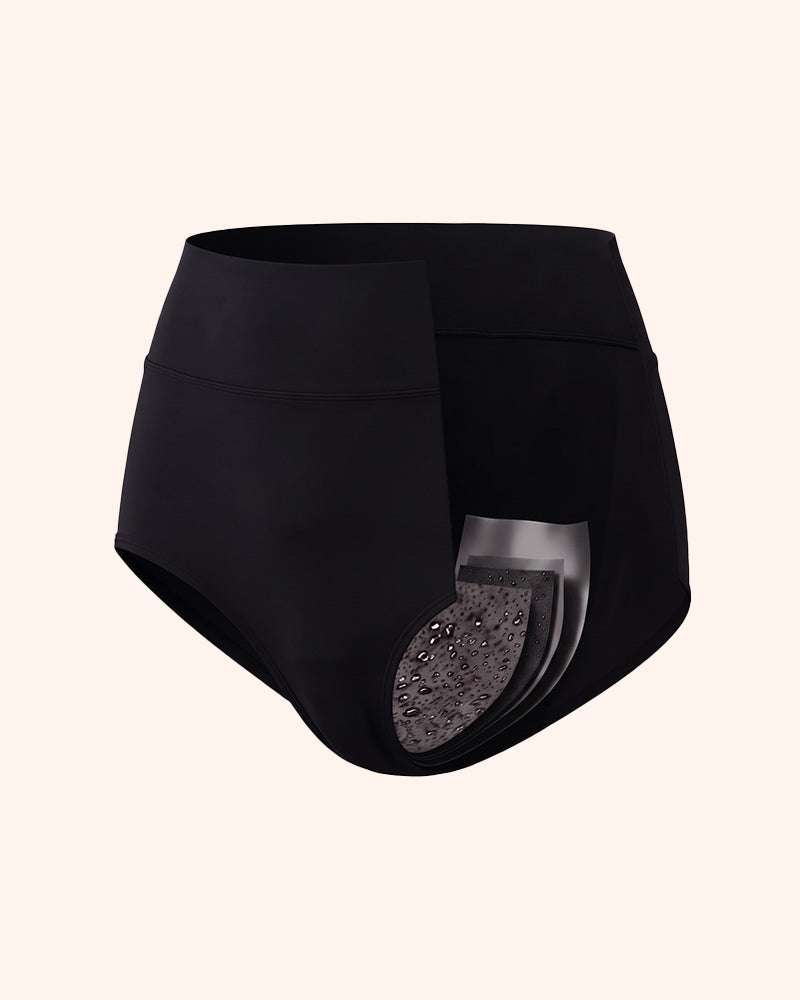
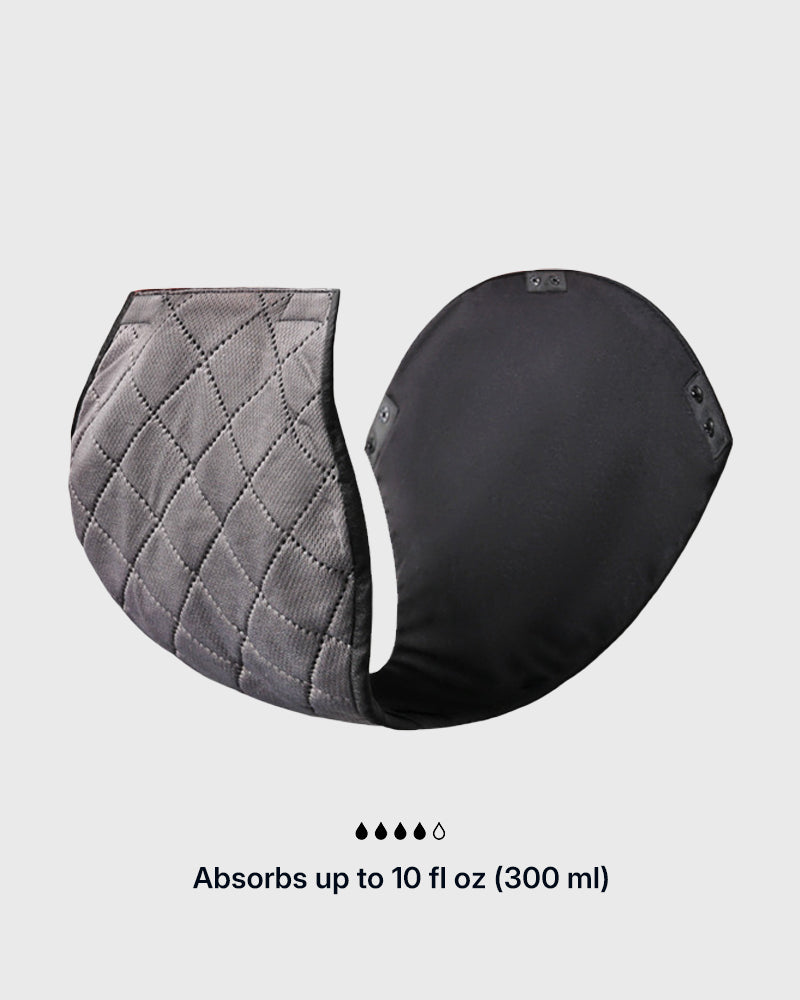
Pair the eating habits with the stuff that actually retrains the bladder: timed bathroom trips and pelvic floor work. Our bladder training guide is a good place to start. And on the practical side, good protection means a bad food day doesn't have to ruin your outfit — washable leakproof underwear handles the small surprises while you figure out your triggers.
One more thing. Keep a short food-and-leak note for two weeks — just a line or two a day in your phone. "Spicy noodles at lunch, dash to the bathroom at 2 p.m." Patterns show up fast when they're written down, and they beat guessing every time.
Frequently asked questions
What foods are good for bladder health?
Pears, bananas, oats, rice, whole-grain bread, cooked vegetables, and lean proteins like chicken and fish tend to be the easiest on the bladder. They're low in acid, gentle on digestion, and unlikely to trigger urgency — a solid everyday base to build meals around.
Are bananas good for your bladder?
Yes, for most people. Bananas are low-acid, easy to digest, and a good source of potassium — one of the foods most often named when people ask what foods are good for bladder health. They're one of the safest fruits if citrus and pineapple tend to set your bladder off.
What foods irritate the bladder?
The usual triggers are caffeine, alcohol, fizzy drinks, spicy food, tomato-based sauces, citrus fruits, and artificial sweeteners. Not everyone reacts to all of them, so a two-week note of what you ate and when symptoms flared will tell you more than any generic list.
Does drinking less water help bladder leaks?
Usually the opposite happens. Drinking too little concentrates your urine, which irritates the bladder and can make urgency worse. Steady, moderate sipping through the day works better than either extreme — and easing off fluids a couple of hours before bed helps with nighttime trips.
Can diet alone stop bladder leaks?
Not usually, no. When people ask what foods are good for bladder health, they're often hoping for a menu that fixes everything — but diet can only reduce irritation and ease symptoms. Leaks driven by pelvic floor weakness, nerve issues, or prostate changes need more than a menu change. Think of food as one piece of the puzzle, alongside bladder training, pelvic floor exercises, and the right protection for your day.
Pick one swap this week. Just one. Swap the second coffee for decaf, or add oats to your breakfast, or trade the fizzy drink for water at lunch. Small changes stick. Big overhauls don't.


Share:
Why Am I Leaking Urine in My 20s or 30s? Causes in Young Adults and What Can Help
What Happens at Pelvic Floor Physical Therapy for Bladder Leaks? What to Expect at Your First Appointment