

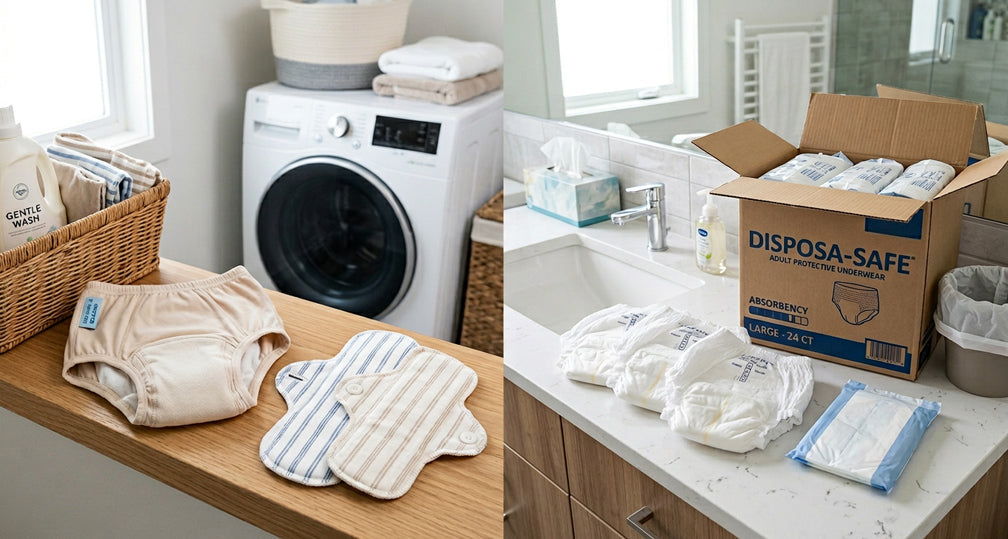
Stress urinary incontinence during exercise happens when physical activity increases pressure on the bladder and the pelvic floor is unable to fully maintain urine control at that moment. Small leaks may occur during running, jumping, lifting weights, coughing, or high-impact workouts. The good news is that experiencing exercise-related bladder leaks does not mean you have to give up movement or the activities you enjoy.
If you experience occasional leaks during running, jumping, CrossFit, strength training, or other high-impact activities, practical strategies may help you feel more prepared. These can include adjusting exercise intensity, paying attention to hydration and bathroom habits, working with a qualified pelvic floor professional when appropriate, and choosing comfortable bladder leak underwear that matches your actual level of leakage.
Exercise-related bladder leakage is more common than many people realize. It can affect people at different stages of life, including some women after pregnancy and childbirth. Some men may also experience urinary leakage during physical activity, including during recovery after prostate procedures. Understanding why leaks happen can make it easier to find an approach that supports both confidence and an active lifestyle.
What Is Stress Urinary Incontinence During Exercise?
Stress urinary incontinence, often shortened to SUI, refers to urine leakage that occurs when pressure on the bladder increases. Despite the name, “stress” in this context refers to physical pressure or strain rather than emotional stress.
Activities that can increase pressure on the bladder include:
- Running
- Jumping
- High-intensity interval training
- CrossFit and similar workouts
- Weightlifting
- Coughing or sneezing
- Certain movements that involve sudden changes in pressure
For some people, the leakage may be only a few drops. For others, it may happen more frequently or with different types of activities.
The experience is personal, and the amount of leakage can vary depending on factors such as activity type, intensity, hydration, and individual pelvic floor function.
Why Do Bladder Leaks Happen During Running and Exercise?
During physical activity, the pressure inside the abdomen can increase. At the same time, the pelvic floor muscles and other structures involved in bladder control need to respond to that pressure.
When the pressure temporarily exceeds the body's ability to maintain urine control, a small amount of urine may leak.
This can be more noticeable during high-impact movements because the body experiences repeated forces and rapid changes in pressure.
| Activity | Why Leakage May Occur | Practical Consideration |
|---|---|---|
| Running | Repeated impact and increased abdominal pressure | Consider supportive, comfortable underwear that stays in place during movement |
| Jumping | Sudden increases in pressure and impact | Light or moderate absorbency may be considered depending on individual leakage |
| Weightlifting | Bracing and increased intra-abdominal pressure | Focus on comfortable fit and appropriate absorbency |
| CrossFit | Combination of jumping, lifting, running, and rapid movement | A secure, breathable design may be particularly important |
Exercise-Related Bladder Leaks Are Not a Reason to Stop Moving
It can be frustrating to experience bladder leaks during exercise, especially when you are doing something that makes you feel strong, energized, and healthy.
However, bladder leakage does not automatically mean you need to stop exercising.
Many people continue to participate in activities they enjoy while finding ways to manage occasional leaks.
Depending on your individual situation, practical approaches may include:
- Choosing lower-impact activities on days when symptoms are more noticeable
- Adjusting exercise intensity or movement patterns
- Taking bathroom breaks before longer workouts
- Using comfortable absorbent underwear or other protection when appropriate
- Working with a qualified healthcare professional or pelvic floor physical therapist if leakage is persistent or concerning
The goal is not to create fear around movement. It is to help you find a routine that feels comfortable, sustainable, and enjoyable.
Who Is More Likely to Experience Exercise-Related Bladder Leaks?
Exercise-related leakage can affect people in different circumstances. It is not limited to one age group or fitness level.
Women After Pregnancy and Childbirth
Pregnancy and childbirth can place additional demands on the pelvic floor and the structures involved in bladder control. Some women notice leakage when returning to running, jumping, or other high-impact exercise after having a baby.
The experience varies considerably from person to person. Some may notice only occasional drops, while others may experience leakage more regularly.
Returning to exercise after childbirth is an individual process. There is no single timeline that applies to everyone.
If leakage continues, becomes more noticeable, or affects your confidence, discussing it with a qualified healthcare professional or pelvic floor physical therapist may help you understand your options.
Active Adults and High-Impact Exercise
You do not have to be a professional athlete to experience exercise-related leakage.
Running, jumping workouts, strength training, and high-intensity fitness classes can all involve movements that increase pressure on the bladder.
For some people, the issue is not noticeable during everyday activities but becomes apparent during specific exercises.
Men After Prostate Procedures
Some men experience urinary leakage during recovery after prostate surgery or other prostate procedures. Physical activity may make leakage more noticeable, particularly when returning to exercise.
For men in this situation, gradual activity progression and appropriate guidance from their healthcare team may be important. Comfortable bladder leak underwear can also provide practical support during daily activities and exercise.
Light vs Moderate Absorbency for Exercise
The right absorbency level for exercise depends on the amount and frequency of leakage.
For occasional small leaks during activities such as running, jumping, or strength training, light absorbency underwear may be sufficient for some people.
If leakage happens more frequently or during longer workouts, moderate absorbency may provide additional moisture management.
| Exercise Situation | Possible Absorbency Choice | Features to Consider |
|---|---|---|
| Occasional small leaks | Light absorbency | Slim profile, breathable fabric, flexible fit |
| Frequent leaks during workouts | Moderate absorbency | Higher moisture capacity, secure fit, comfortable construction |
| Long training sessions | Light or moderate depending on individual needs | Extended comfort and moisture management |
The most important point is that absorbency should match your personal experience. Choosing a higher-capacity product simply because you exercise does not necessarily mean it will be more comfortable or more appropriate.
How Can You Reduce Bladder Leaks During Exercise?
There is no single strategy that works for everyone, but several practical approaches may help reduce the frequency or inconvenience of exercise-related bladder leaks.
The right approach depends on your individual circumstances, the type of exercise you do, and how often leakage occurs.
1. Build Up Exercise Gradually
If you are returning to exercise after pregnancy, childbirth, surgery, or a period of inactivity, gradually increasing intensity may give your body time to adapt.
Instead of moving immediately from low-impact activity to high-impact exercise, you might consider progressing through activities at a pace that feels appropriate for you.
For example, someone returning to running might begin with walking, then introduce short intervals of jogging before gradually increasing duration and intensity.
This does not guarantee that leakage will stop, but a gradual approach can help you understand how your body responds to different levels of activity.
2. Consider Pelvic Floor Muscle Training
Pelvic floor muscle training is commonly discussed as one approach for people experiencing urinary leakage. The pelvic floor muscles contribute to bladder control and other functions.
Some people may benefit from learning how to correctly identify and engage these muscles. A qualified pelvic floor physical therapist can provide individualized guidance, particularly if you are unsure whether you are performing the exercises correctly.
It is also important to recognize that pelvic floor concerns are not always about muscle weakness alone. Some people may have difficulty relaxing or coordinating these muscles, so a personalized assessment can be more useful than simply doing more exercises.
3. Pay Attention to Hydration
Staying hydrated is important for overall health, but some people change their fluid intake dramatically because they are worried about leakage.
Avoiding fluids excessively is generally not a good long-term strategy. Concentrated urine can also be irritating to the bladder for some people.
Instead, consider maintaining reasonable hydration and paying attention to how your body responds during exercise.
If you are unsure how much fluid you need, particularly during prolonged or intense exercise, a qualified healthcare professional can provide guidance based on your individual circumstances.
4. Notice Your Personal Triggers
Some people notice that certain drinks or habits make bladder symptoms more noticeable.
Common examples may include:
- Large amounts of caffeine
- Certain carbonated beverages
- Alcohol
- Drinking a large volume of fluid immediately before exercise
This does not mean everyone needs to avoid these beverages. Instead, noticing patterns can help you understand your own triggers.
Keeping a simple record of what you drink, when you exercise, and when leakage occurs may help identify patterns worth discussing with a healthcare professional.
5. Use the Bathroom Before Longer Workouts
Using the bathroom before exercise may be a simple practical step for some people, particularly before long workouts or activities where bathroom access is limited.
However, repeatedly going to the bathroom “just in case” may not be necessary for everyone. The goal is to develop habits that work for your body rather than constantly planning your day around the possibility of leakage.
Bladder Leaks During Different Types of Exercise
Not all exercise creates the same physical demands. Some people may experience leakage during one activity but not another.
Running
Running involves repeated impact and rhythmic movement. Some runners notice small leaks during longer runs or faster-paced sessions.
If this sounds familiar, you may want to consider:
- Starting with shorter distances
- Alternating walking and running
- Choosing supportive and comfortable clothing
- Using light or moderate absorbency underwear based on your needs
The goal is not necessarily to stop running. Instead, finding a comfortable way to manage leakage can help you continue participating in an activity you enjoy.
CrossFit and High-Intensity Workouts
CrossFit and similar workouts may combine running, jumping, lifting, squatting, and rapid changes in movement.
Because these activities can involve repeated increases in abdominal pressure, some people may notice bladder leaks during specific movements.
A practical approach may include identifying which movements are most likely to trigger leakage and discussing technique or modifications with a qualified fitness professional when appropriate.
For example, you might notice leakage primarily during:
- Box jumps
- Double-unders
- Heavy lifts
- Running intervals
- High-repetition movements
Knowing your specific triggers can help you make informed decisions about exercise modifications and protection.
Strength Training and Weightlifting
Strength training can involve increased abdominal pressure, particularly during heavy lifting and intense bracing.
Some people may notice leakage during squats, deadlifts, or other compound exercises.
This does not mean strength training is necessarily inappropriate. Depending on your situation, you may be able to adjust weight, repetitions, breathing patterns, or exercise selection.
If leakage is persistent or concerning, consider discussing your symptoms with a qualified healthcare professional or pelvic floor physical therapist.
How to Choose Bladder Leak Underwear for Exercise
If you want to stay active while managing occasional bladder leaks, the right underwear can provide an additional layer of confidence.
When choosing reusable bladder leak underwear for exercise, consider the following features:
| Feature | Why It Matters During Exercise |
|---|---|
| Secure Fit | Helps the underwear stay comfortably in place during movement. |
| Breathable Materials | May improve comfort during longer or more intense workouts. |
| Flexible Fabric | Allows greater freedom of movement during stretching, running, and strength training. |
| Low-Profile Design | Can help reduce visible bulk under leggings, shorts, or athletic clothing. |
| Appropriate Absorbency | Should match your personal level of leakage and the type of activity. |
What Should You Wear Under Leggings or Tight Workout Clothes?
For people who exercise in leggings, cycling shorts, or other close-fitting clothing, a low-profile design may be especially important.
Look for underwear that:
- Fits securely without excessive compression
- Has a smooth construction where possible
- Does not create unnecessary bulk
- Moves comfortably with your body
The ideal choice is highly personal. Some people prioritize the thinnest possible design, while others prefer additional absorbency even if the garment is slightly more substantial.
When Should You Talk to a Healthcare Professional?
Occasional bladder leakage during exercise is something many people experience, but it is still worth paying attention to changes in your symptoms.
Consider seeking professional advice if:
- Leakage is new or suddenly becomes worse
- You experience pain or burning when urinating
- You notice blood in your urine
- Leakage significantly affects your daily activities
- You are unsure what may be causing your symptoms
- You have recently had surgery or given birth and have concerns about your recovery
A qualified healthcare professional can help identify possible causes and discuss appropriate options. For some people, a pelvic floor physical therapist may also provide useful guidance about movement, muscle coordination, and exercise.
Frequently Asked Questions
Why do I leak urine when I run or exercise?
Running and other high-impact activities can increase pressure on the bladder. For some people, the pelvic floor and other structures involved in bladder control may not fully manage that pressure at that moment, resulting in urine leakage.
Can I still exercise if I experience bladder leaks?
Many people continue to exercise while managing bladder leaks. Depending on your individual situation, strategies may include adjusting exercise intensity, modifying certain movements, using appropriate absorbency protection, and seeking guidance from a qualified healthcare professional.
Is bladder leakage during CrossFit common?
Some people experience bladder leaks during CrossFit or other high-intensity workouts that combine jumping, running, lifting, and rapid movement. The experience varies from person to person, and identifying specific triggers may help with exercise modifications and practical management.
What absorbency level is best for exercise-related bladder leaks?
Light absorbency may be suitable for some people who experience occasional small leaks during exercise. Moderate absorbency may be preferable when leakage is more frequent or workouts are longer. The appropriate choice depends on your individual needs.
Can pelvic floor exercises help with exercise-related bladder leaks?
Pelvic floor muscle training is one approach commonly used to support bladder control. However, pelvic floor concerns can vary, and some people may benefit from personalized assessment and guidance from a qualified pelvic floor physical therapist or healthcare professional.
Health Information Note
This article provides general educational information about exercise-related bladder leakage and practical ways to manage it. It is not intended to diagnose, treat, or replace personalized medical advice.
If you have persistent, worsening, painful, or unexplained urinary leakage, consider speaking with a qualified healthcare professional for an appropriate evaluation.
Share:
How Reusable Bladder Leak Underwear Works: Materials, Layers, and Comfort Features
Postpartum Bladder Leaks: Why They Happen and How to Manage Everyday Life