


The short answer: Yes — if your leaks are light to moderate, you can wear bladder leak underwear instead of regular underwear. It looks and feels close to normal underwear, holds small leaks in a built-in absorbent layer, and washes like the rest of your laundry. It stops making sense when leaks are heavy or frequent enough that one pair can't hold you between changes.
That line matters, because the question most people really ask isn't about fabric. It's about the drawer. Can you open it at 7:40 on a Tuesday, grab one pair, and stop thinking about it? For a lot of people with dribbles, sneezes, and the odd cough-leak, the answer is yes. For someone soaking through a pad in an hour, it's a different conversation — and pretending otherwise would be unhelpful.

So, Can I Wear Bladder Leak Underwear Instead of Regular Underwear on a Normal Day?
Start with your usual day, not a best-case day. Think about the school run that takes 40 minutes because of roadworks. Think about the meeting that runs over, and the checkout line where you shift your weight and hope. If your leaks in those moments are small — a few drops, a damp patch you notice later — leakproof underwear is built for exactly that.
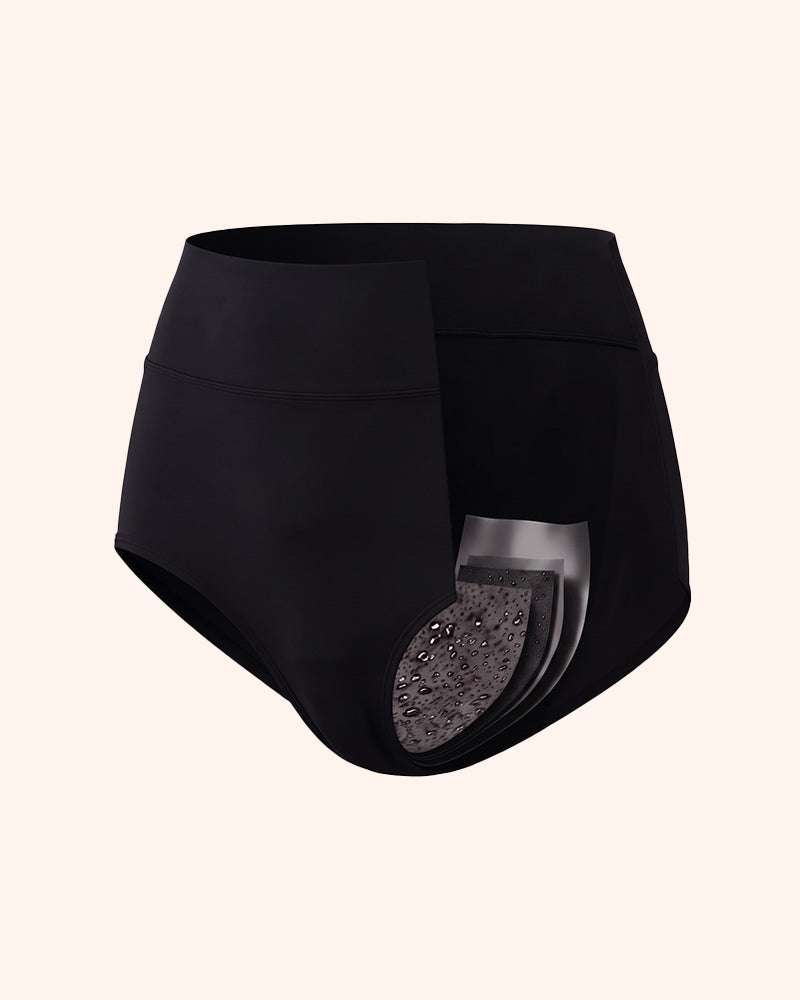
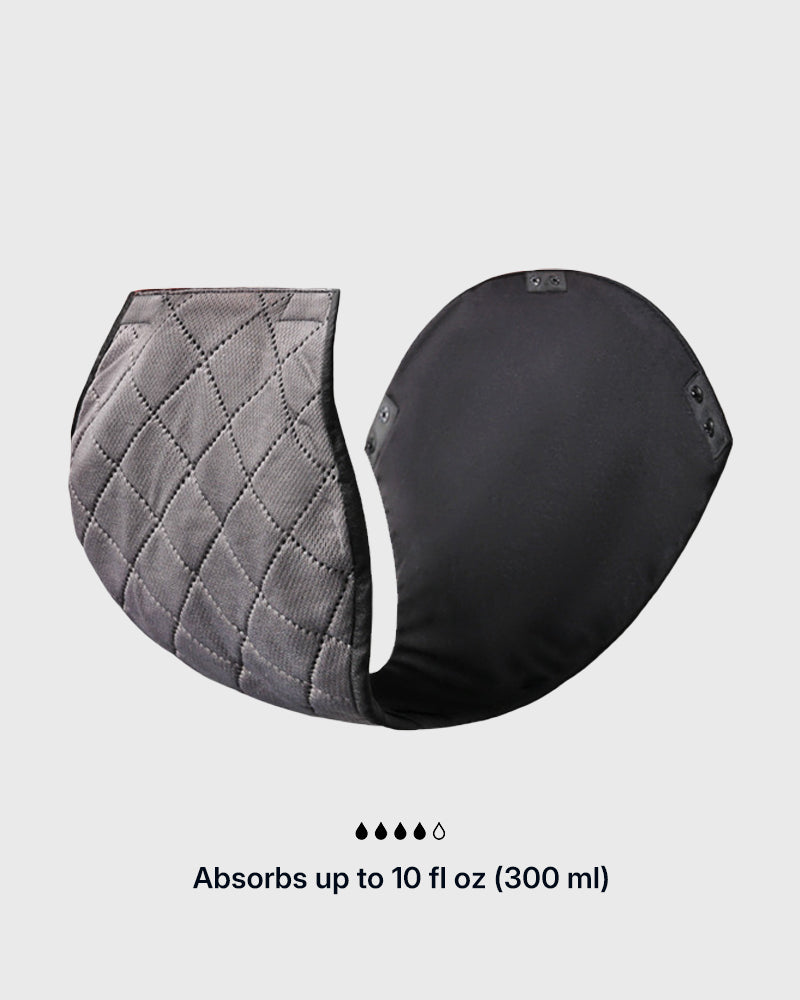
The built-in layer does the job a separate pad used to do, without the extra bulk or the worry that it has folded itself in half by lunchtime. You put the pair on in the morning. You go about your day. You change it when you get home, or sooner if it feels damp. That's it. No special routine, no second drawer full of supplies.
One honest test: wear a pair on a day when you're home. Note when it starts to feel damp, and how many hours that took. If it lasts your whole workday without feeling wet, you've got your answer. If it feels damp by 10 a.m., you need higher absorbency or a midday change.
What Actually Feels Different?
Less than you'd expect. That's the point.
Good leakproof underwear doesn't rustle or show a thick outline under jeans, and the waistband sits where a normal waistband sits. The gusset is a little thicker, and most people stop noticing it after a day or two.
Where it does differ is the laundry pile. Instead of throwing a pad away, you rinse the pair, toss it in the wash, and hang it to dry. By the third load of laundry this week, that step feels automatic. A mesh laundry bag keeps the pairs from tangling with everything else, and it helps them last longer.
Regular Underwear vs. Bladder Leak Underwear: A Straight Comparison
| Regular underwear | Bladder leak underwear | |
|---|---|---|
| Small leaks | Soaks straight through to your clothes | Absorbed by the built-in layer |
| Look under clothes | Thinnest option | Very close, slightly thicker in the gusset |
| Comfort all day | Light and familiar | Similar, with a firmer feel when damp |
| Washing | Normal wash cycle | Rinse first, then wash; skip fabric softener |
| Cost over time | Cheap per pair, replaced often | More upfront, reused for months |
| Heavy leaks | Not designed for them | Only light-to-moderate levels hold up |
Read that last row twice. It's the boundary of this whole article. Leakproof underwear replaces regular underwear for light and moderate leaks. It does not replace a full continence plan for heavy, frequent, or sudden large-volume leaks. If you're changing soaked pairs more than a couple of times a day, talk to your doctor about what's driving it — that step isn't a failure, it's just the next sensible move.
How Many Pairs Do You Need to Make the Switch?
Don't buy a whole drawer on day one. Start with three pairs. Wear them on different kinds of days — a quiet day at home, a workday, a day with a long walk in it. See how they wash, how they dry, and whether the fit holds after a few cycles.
Most people who switch for good settle on somewhere between five and seven pairs. That covers a wash cycle without a frantic last-minute load, plus one spare in a bag for longer days out. If you do laundry every other day, five is plenty. If laundry happens once a week, you'll want more, or you'll be hand-washing pairs in the sink on a Thursday night. Nobody wants that.
For a fuller breakdown of rotation and wash days, see How Many Pairs of Incontinence Underwear Do You Need? And if you're still weighing it against a daily pad habit, Can You Wear Incontinence Underwear Every Day? covers the hygiene and skin side in more detail.
What About Fit, Odour, and Skin?
Fit decides whether the switch works. Too loose, and leaks find the gap at the leg. Too tight, and the pair digs in by afternoon and you end up hating it for reasons that have nothing to do with absorbency. Measure once, check the size chart, and don't assume your usual size carries over from brand to brand.
Odour is the worry people rarely say out loud. A fresh pair shouldn't smell. A damp pair left in a warm bag all day will, just like damp gym clothes do. Change when it feels damp, rinse before washing, and let pairs air-dry fully. That routine handles most of it. Skin follows the same logic: a dry, well-fitting pair is kind to skin; a damp pair worn for 12 hours straight is not. Change on time, and the switch stays comfortable.
Washing details matter more than people expect, so the care guide is worth a read before your first load: How to Wash and Care for Reusable Bladder Leak Underwear.
When Should You Keep Regular Underwear in the Drawer?
Plenty of people mix and match, and that's a perfectly good outcome. Some wear leakproof pairs for work, travel, and long days out, and regular underwear at home on quiet days. Some wear them every day. Some keep one or two leakproof pairs just for the days they know will be tricky — a long car ride, a day without easy bathroom access, a big family event.
The goal is fewer ruined outfits and fewer interrupted days, not a drawer that looks a certain way.
Choosing Your First Pair Without Overthinking It
Pick the absorbency that matches your worst normal day, not your best one. If most days are light but one day a week is heavier, buy for the heavier day. Pick a cut you'd actually wear — high-waisted if you like that coverage, a brief or boxer brief if you don't. And pick black or a dark colour first, because it hides any faint staining over time and looks like any other pair in the drawer.
Men's and women's cuts differ in the shape of the absorbent zone, so buy the cut made for your body. You can browse the women's high-waisted pair here: women's incontinence underwear, and the men's pair here: men's incontinence underwear. A mesh laundry bag is a small add-on that makes the wash routine noticeably easier.
FAQ
Can I wear bladder leak underwear instead of regular underwear at work?
Yes, for light to moderate leaks. Most people find the pair disappears under work clothes, and the real test is a long meeting or a commute without a bathroom break. Bring a spare pair in your bag for the first week, until you know how long one pair lasts on your busiest day.
Can I wear bladder leak underwear instead of regular underwear overnight?
That comes down to how much you leak at night. Light overnight dribbles are usually fine in a higher-absorbency pair. If you wake up soaked, a nighttime-specific option or an extra layer is a better plan than hoping a daytime pair stretches further than it can.
Do I still need pads if I switch?
Not for light leaks, no. Some people keep a thin pad in the bag as backup for unusually long days, and that's fine. Others drop pads entirely once they trust the pair. Either way works — the backup is there for your confidence, not because the underwear is unfinished.
How do I know if my leaks are too heavy for leakproof underwear?
Watch the pattern, not one bad day. If a pair feels soaked within an hour or two on most days, or you're changing three or more times a day just to stay dry, your leaks are heavier than a standard pair is built for. That's worth a doctor's visit, and it doesn't mean you've done anything wrong.
Will leakproof underwear feel bulky under tight clothes?
A little thicker in the gusset, yes, but not bulky in the way a pad can be. Under jeans or a work skirt, most people can't tell. Under very tight leggings, you may notice the seam line — in that case, try a different cut before giving up on the idea.

Share:
How to Manage Bladder Leaks When You Share a Bathroom: A Practical, Low-Stress Guide
How to Manage Bladder Leaks at a Hotel: A Practical Travel Guide