


The short answer: how to manage bladder leaks when you share a bathroom comes down to a quick change, a small bag, and a laundry habit nobody has to notice. You don't need a bigger bathroom. You need a system that takes two minutes and leaves nothing behind.

Picture this. It's 6:40 a.m. Your roommate is already in the shower, your partner is brushing their teeth at the sink, and you need the bathroom too — not in ten minutes, right now. That's the part nobody talks about with shared living. Leaks are manageable. The audience is the hard part.
Shared bathrooms turn a private health thing into a scheduling problem. Someone's always in there. The laundry basket is communal. The trash can is, too. And the drying rack sits where everyone walks past it. None of that means you have to go back to bulky, rustly products or skip your morning plans. It just means your setup has to be quieter, faster, and easier to put away.
Why does a shared bathroom make bladder leaks feel worse?
At home alone, a leak is a laundry task. With housemates, it can feel like a performance. You rush. You skip steps. You wear the wrong absorbency because the right pair is still damp on the rack. Sound familiar? That rush is where most shared-bathroom problems start — not with the leak itself, but with the scramble around it.
Three things usually cause the stress. First, timing: everyone wants the bathroom between 7 and 8 a.m. Second, storage: there's nowhere private to keep spares. Third, laundry: your underwear ends up in a shared load, or drying somewhere visible. Fix those three, and the rest gets much calmer.
How to manage bladder leaks when you share a bathroom
Start with the morning, because that's when the bathroom is busiest. Lay out tonight what you'll need tomorrow: one clean pair, a small pouch, and a fresh towel if you use one. Keep them in your bedroom, not in the bathroom. That way, when the bathroom frees up at 7:05, you're in and out in minutes instead of hunting for supplies while someone knocks on the door.
Build a two-minute change routine and stick to it. Step into a stall or lock the door, swap the pair, roll the used one into your pouch, and wash your hands. That's it. No soaking in the sink while someone waits outside. No draping things over the shower rail. The pouch goes back into your bag or your room, and the bathroom looks exactly like it did before you walked in.
For daytime changes, your bedroom is your changing room. A spare pair in a drawer, a pouch in your bag, and you never need to carry anything through the hallway in your hand. If you work from home, the same rule holds: change in your room, bag it, and deal with laundry later, when the machine is free.
What about laundry and drying when everyone shares the machines?
This is where washable underwear actually beats disposables in a shared house. Disposables need a trash can, and a shared trash can tells a story you'd rather not share. Washable pairs just go in with your normal laundry — dark load, cold or warm wash, same as your t-shirts. If you'd rather keep them separate, a mesh laundry bag does the job. Toss the whole bag in, and nobody handling the load needs to sort through it.
Drying is the part people overthink. Hang pairs on a small rack in your bedroom, or drape them over a towel rail in your room overnight. They don't need to be on the shared drying rack by the window. If your room runs damp in winter, point a small fan at the rack for an hour — that beats leaving them in a communal space where they take two days to dry and everyone sees them.
One more small habit: a quick rinse if you change midday, then into the laundry bag, keeps odor from building up in a closed pouch. It's the difference between laundry that smells like nothing and laundry you dread opening on Sunday.
Picking products that suit a shared bathroom
Not every product behaves the same way when other people are around. Here's a plain comparison:
| Option | Changing | Laundry or trash | How noticeable it is |
|---|---|---|---|
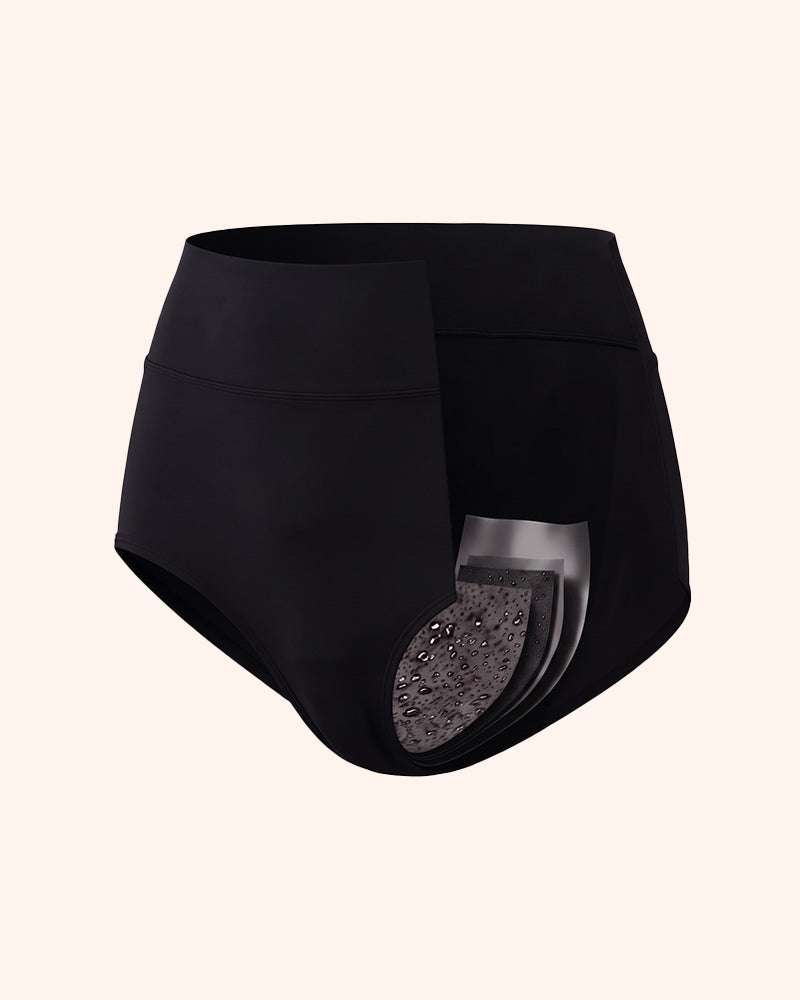
| Washable leakproof underwear | Like normal underwear | Goes in your laundry bag | Looks and feels like regular underwear |
| Disposable pads | Needs a bin nearby | Shared trash can fills up fast | Packaging and wrappers are visible |
| Disposable pull-ups | Bulkier to carry and store | Needs frequent bin emptying | Harder to hide in a shared drawer |
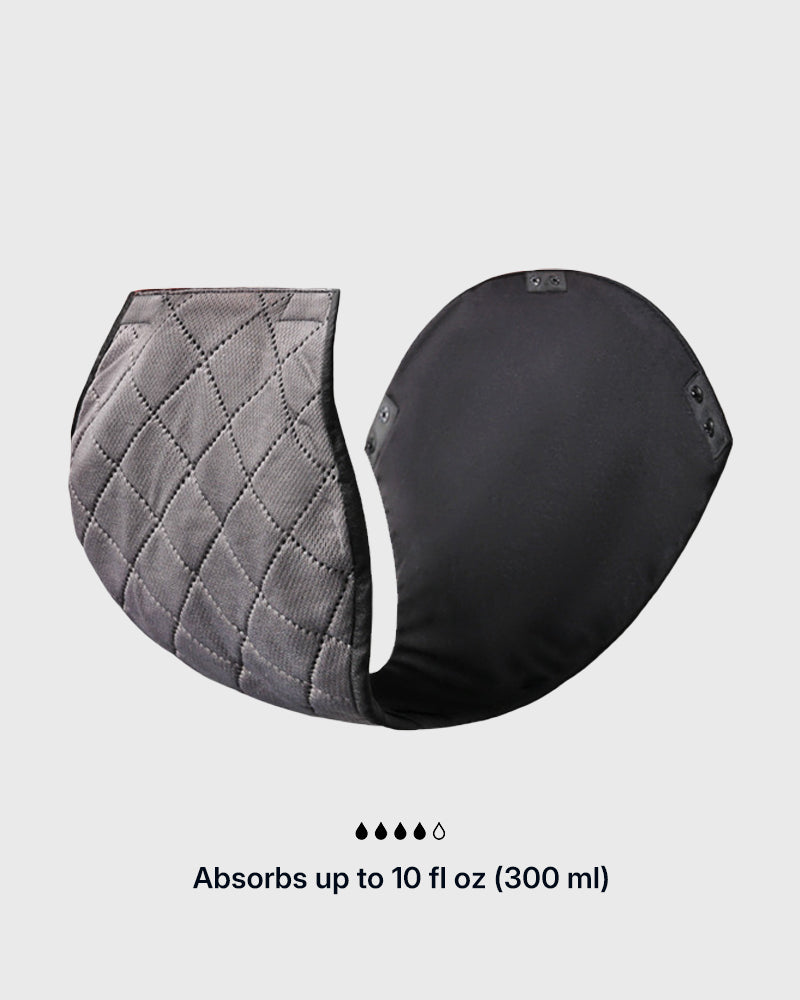
If you like the washable route, men's washable leakproof underwear and women's washable leakproof underwear both look like ordinary underwear, which is half the battle in a shared house. A mesh laundry bag keeps pairs together in a shared machine, and a waterproof carry pouch handles the trip from bathroom to laundry without a second thought.
What should you tell your housemates?
Short version: as little or as much as you want. You owe nobody a medical explanation for your laundry. If someone asks about the pouch in your bag, "it's my laundry bag" is a complete answer. If you live with a partner and want to say more, keep it simple: "I leak a little sometimes, so I wear washable underwear. It's handled." Most people hear that, nod, and move on to talking about whose turn it is to buy milk.
What helps more than a big conversation is a small agreement about bathroom timing. If two of you leave at 8 a.m., one showers at 7:15 and the other at 7:35. Write it on the fridge if you have to. Boring? Yes. But a 20-minute buffer beats standing outside a locked door doing the urgency dance while your roommate finishes their hair.
And if you're the one who worries about smells or stains in a shared space: that's what the pouch and the prompt rinse are for. Readers who worry about odor in general will find how to keep washable pairs fresh useful, and the washing guide covers the details step by step.
Two setups that work in real shared houses
Setup one: the bedroom base. Everything lives in your room — spares in a drawer, pouch in your bag, a small drying rack behind the door. You use the bathroom only for the change itself. Total time in the shared bathroom: under three minutes, even on a busy morning.
Setup two: the hallway shelf. If your room is tiny, claim one small basket or shelf near the bathroom for your pouch, a spare pair, and a towel. It's yours, it's closed, and nobody needs to open it. Pair that with discreet storage ideas for small spaces, and the shared bathroom stops feeling like a public stage.
For changes away from home, the same pouch-and-bedroom logic applies — changing discreetly in a public restroom uses the same two-minute routine, just in a different room.
Frequently asked questions
How to manage bladder leaks when you share a bathroom on busy mornings?
Prep the night before and keep supplies in your bedroom. When the bathroom frees up, you're in, changed, and out in about two minutes — no searching, no waiting with a pile of things in your arms.
How do I hide incontinence underwear from roommates?
You mostly don't need to hide it, because washable leakproof underwear looks like regular underwear. Keep spares in your own drawer and used pairs in a closed pouch, and there's nothing on display for anyone to notice. Tips for staying discreet cover the rest.
Can I wash leakproof underwear with everyone else's laundry?
Yes. Rinse first if needed, then wash them in a mesh bag with your normal dark load. They don't need a special cycle, and they don't need to be announced to the household.
How to manage bladder leaks when you share a bathroom and only have one toilet?
Agree on a morning order and stick to it. One person showers, the next gets a clear 15-minute window. Keep your change kit in your room so your window is spent changing, not gathering supplies.
Where should I dry leakproof underwear in a shared house?
In your own room, on a small rack or towel rail. It dries faster away from a damp bathroom, and it stays out of the shared drying space entirely.
Do I have to tell my housemates about my bladder leaks?
No. It's your health information. A simple "it's handled" is enough if anyone asks, and a shared bathroom schedule helps more than a detailed explanation ever will.
Shared living doesn't have to mean shared stress about leaks. A pouch, a drawer, and a two-minute routine — that's the whole system. Try it for a week, and the bathroom queue will feel like the least interesting part of your morning again.

Share:
How to Manage Bladder Leaks When You Live Alone: A Practical, Low-Stress Routine
Can I Wear Bladder Leak Underwear Instead of Regular Underwear?