


The short answer: a pad on its own doesn't give you a urinary tract infection — but wearing one all day, especially a damp one, can set up exactly the warm, moist conditions bacteria love. Can incontinence pads cause a UTI? Not directly. The risk comes from how long a pad stays on, how wet it gets, and how often you change it.
If you've had two or three UTIs in a row since you started wearing pads every day, it's natural to connect the dots. Plenty of people do. The link is real, just not as simple as "pads cause UTIs." Here's what's actually going on, and what to change first.

Why would a pad raise your UTI risk at all?
Your urinary tract stays healthy partly because urine flows out and carries bacteria away. A pad flips that. It holds moisture against your skin and keeps the area warm for hours. Bacteria multiply faster in warmth and moisture — that's the whole story.
Think about a normal Tuesday. You put a pad on at 7 a.m., have coffee, run errands, sit through a long meeting. By 4 p.m. you're on your third pad of the day — or, more likely, still on the second one because changing felt like a hassle. Each hour a damp pad stays in place is another hour of warm, wet contact right where bacteria enter the urinary tract.
None of this means pads are dangerous. It means they're a product with a use-by clock, and most of us stretch that clock further than we should.
Can incontinence pads cause a UTI, or is something else to blame?
UTIs usually start when bacteria — most often E. coli from the bowel — reach the urethra. A pad can't plant bacteria there. What it can do is make the trip easier: moisture softens skin, warmth speeds bacterial growth, and a soaked pad keeps all of it pressed against you.
So if you're getting repeat infections, ask yourself three honest questions:
- How many hours does one pad stay on? Six or more is a long time.
- Do you change it after every leak, or only when it feels wet through?
- Do you wipe front to back, every time? It's the oldest advice there is, and it still matters most.
A doctor can tell you whether something else is driving the infections — low estrogen after menopause, for instance, thins the tissue around the urethra and raises UTI risk on its own. That's worth checking, because no pad swap fixes a hormonal cause. If you're unsure whether what you have is even a UTI, this guide on UTI vs. incontinence walks through the difference.
How often should you change an incontinence pad?
There's no single number, because leaks aren't a single size. A few drops after a sneeze is not the same as a full gush on the school run. Still, a few rules of thumb hold up:
- Change after every noticeable leak. Don't wait for the pad to feel heavy.
- Don't wear one pad all day. Even a light pad has done its job after four to six hours.
- Change before bed and first thing in the morning. Overnight wear is the longest stretch of all — eight hours of warm moisture while you sleep.
- Carry spares everywhere. A pad in your bag means you actually change it. A waterproof carry pouch keeps a fresh one clean and a used one sealed until you get home.
One more thing people skip: wash your hands before and after changing. It's a small step, and it cuts down the bacteria you're moving around.
Disposable pads vs. washable leakproof underwear
If changing pads every few hours feels like a part-time job, it's worth comparing the two options side by side. Both absorb leaks. They handle moisture very differently.
| Disposable pads | Washable leakproof underwear | |
|---|---|---|
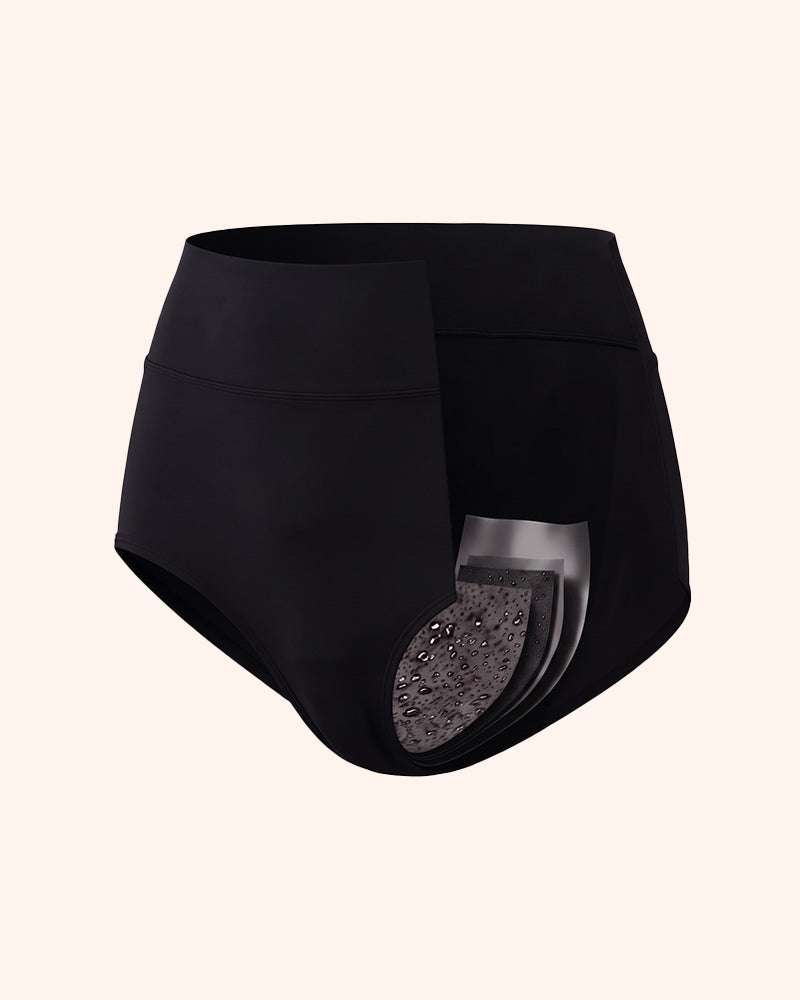
| Moisture against skin | Stays in the pad until you change it | Wicking layer pulls moisture away from skin |
| How often you change | Every few hours, after each leak | Once or twice a day, like regular underwear |
| Breathability | Plastic backing traps heat | Cloth layers breathe more |
| Disposal | Bin every time | Toss in the wash |
| Best for | Occasional leaks, travel, backup | Daily wear, lighter leaks, sensitive skin |
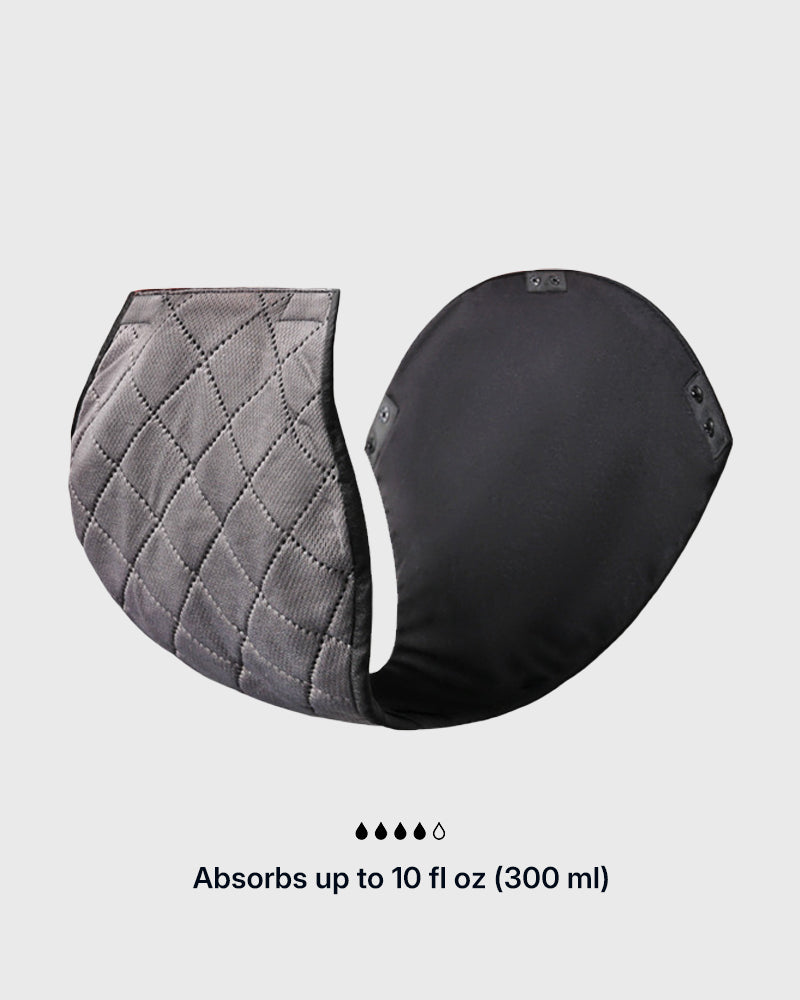
For many women, the switch isn't about one product being "better." It's about fewer damp hours against the skin. Washable leakproof underwear holds the leak in a built-in absorbent layer, so there's no separate pad sitting against you — and you change it the way you'd change any pair of underwear. (Men have the same option: men's washable leakproof underwear, with a removable absorbent pad you can swap out mid-day.)
Whatever you wear, washing matters. A mesh laundry bag keeps the absorbent layers from tangling in the machine, and the full routine is in our guide on how to wash reusable bladder leak underwear.
What else lowers your UTI risk while you wear pads?
Changing more often is the big one. A few smaller habits add up:
- Drink enough water. Diluted urine flushes bacteria out more often. Cutting back on fluids to leak less is a trap — it concentrates urine and irritates the bladder.
- Pee when you need to. Holding it in gives bacteria more time to settle.
- Skip scented pads and wipes. Fragrance and harsh cleansers irritate the skin around the urethra, and irritated skin is easier for bacteria to cross.
- Let skin breathe at home. If you're on the sofa for the evening, you don't always need a pad on. Air time helps.
- Watch for the early signs. Burning when you pee, a constant urge with almost nothing coming out, cloudy or strong-smelling urine — don't wait those out for a week. Our guide on when to see a doctor about bladder leaks lists the red flags.
When should you talk to a doctor?
One UTI now and then happens. Three in six months, or two in a year that keep coming back, is a pattern worth bringing to a doctor — especially if the infections started around the same time you began wearing pads daily. Bring the details: how many pads a day, how long each one stays on, whether leaks happen at night too. That timeline helps a doctor sort out whether it's the pad routine, low estrogen, incomplete emptying, or something else entirely.
Don't try to self-treat repeat UTIs with leftover antibiotics or cranberry pills. The first can mask a bigger problem; the second just isn't a treatment. Get the infection confirmed, get it treated, then fix the routine that fed it.
FAQ
Can wearing a pad all day cause a UTI?
So can incontinence pads cause a UTI? Not by themselves — but wearing one damp pad all day raises the risk. Warmth and moisture help bacteria grow, and a soaked pad keeps them pressed against the skin near the urethra for hours. Change after each leak and don't stretch one pad past four to six hours.
Do incontinence pads cause urinary tract infections in everyone?
No. Many people wear pads daily and never get a UTI. So can incontinence pads cause a UTI at all? They raise the odds for some people and not others — it depends on how long pads stay on, how much they hold, your skin, and other factors like menopause or incomplete bladder emptying. Pads are one piece of the picture, not the whole story.
How often should you change incontinence pads to avoid a UTI?
Change after every noticeable leak, and at least every four to six hours during the day. Always change before bed and first thing in the morning. Carry spares so a change is never more than a bathroom trip away.
Can reusable underwear prevent UTIs better than disposable pads?
It can help, mainly because there's no damp pad sitting against your skin for hours — the absorbent layer wicks moisture away, and you change the pair like normal underwear. But any product worn wet for too long carries some risk. If you're curious, our guide on wearing incontinence underwear every day covers hygiene and skin care in detail.
Can you wear incontinence underwear instead of pads?
For light to moderate leaks, yes — that's exactly what it's made for. Washable leakproof underwear replaces both the pad and the regular underwear underneath it. Heavy leaks or a full bladder emptying may still need a pad or a booster insert as backup, and anyone dealing with that should check in with a doctor about the underlying cause.

Share:
Do Kegel Balls Help With Bladder Leaks? What to Know Before You Try Vaginal Weights
How to Manage Bladder Leaks on a Cruise: Cabins, Shore Days, and Dining Rooms Without the Worry