


The short answer: Do Kegel balls help with bladder leaks? Sometimes — a little, for some people, and mostly for stress leaks, the kind that show up when you cough, sneeze, or lift a laundry basket. They aren't a fix on their own. And if months of plain Kegels changed nothing, a set of weighted balls probably won't either. What they can do is give your muscles something to squeeze against, which helps some women finally feel the right muscles working. That's the whole trick.

If you've been doing Kegels for months and still leak when you laugh too hard at a joke, you're not alone. That exact question pops up in incontinence forums all the time — usually from someone who's been squeezing faithfully since February and wants to know if a gadget will do what willpower didn't.
What Are Kegel Balls, Exactly?
Kegel balls are small weighted balls, usually sold in a set of two or three weights, that you insert vaginally and hold in place by squeezing your pelvic floor muscles. Some are single smooth spheres. Some are two balls joined by a cord. They go by a few names — Ben Wa balls, vaginal weights, Kegel weights — and the medical version of the same idea is a set of weighted cones your physio might hand you.
They're not the same as a jade egg or crystal egg. Those are wellness-shop products with no real evidence behind them. Stick to smooth, medical-grade silicone from a brand that lists the actual weight in grams.
Do Kegel Balls Help With Bladder Leaks?
Honest answer: the evidence is thin. A few small studies found vaginal weights helped stress incontinence about as much as regular pelvic floor training. None of them showed weights beating plain Kegels by a clear margin. The trials were small, short, and mixed — the kind of research that says "maybe" rather than "yes."
That "maybe" still matters, because the real problem with Kegels isn't effort. It's aim. A big chunk of women squeeze the wrong muscles — glutes, thighs, stomach — and never actually train the pelvic floor. A weight changes that. You can feel it slip if you let go, and feel it stay put when you get the squeeze right. For some women, that feedback is the difference between guessing and actually training.
So the balls don't make your muscles stronger by magic. They make the exercise easier to do right. The strength still comes from you, rep by rep, over weeks.
One more thing to be straight about: they help stress leaks, not urge leaks. If your problem is a sudden "I need a bathroom right now" feeling, a weight won't calm that down. That's a different mechanism, and you can read more about the difference in our guide to stress vs. urge incontinence.
Kegel Balls vs. Plain Kegels vs. Vaginal Weights
The names get tangled, so here's how the options actually stack up.
| Option | What it is | Best for | Watch out for |
|---|---|---|---|
| Plain Kegels | Squeezing and releasing your pelvic floor, no equipment | Anyone starting out; free, no hygiene worries | Easy to squeeze the wrong muscles without feedback |
| Kegel balls | Weighted silicone balls worn for short sessions | Women who can't feel whether they're squeezing right | Only for short sessions; skip if you have pain or prolapse |
| Vaginal weight cones | Graduated clinical weights, often physio-prescribed | Structured training with a clear progression | Needs guidance to pick the right starting weight |
| Pelvic floor physio | Assessment plus a training plan from a specialist | Leaks that haven't budged, or pain alongside leaking | Costs more and takes a few visits to get going |
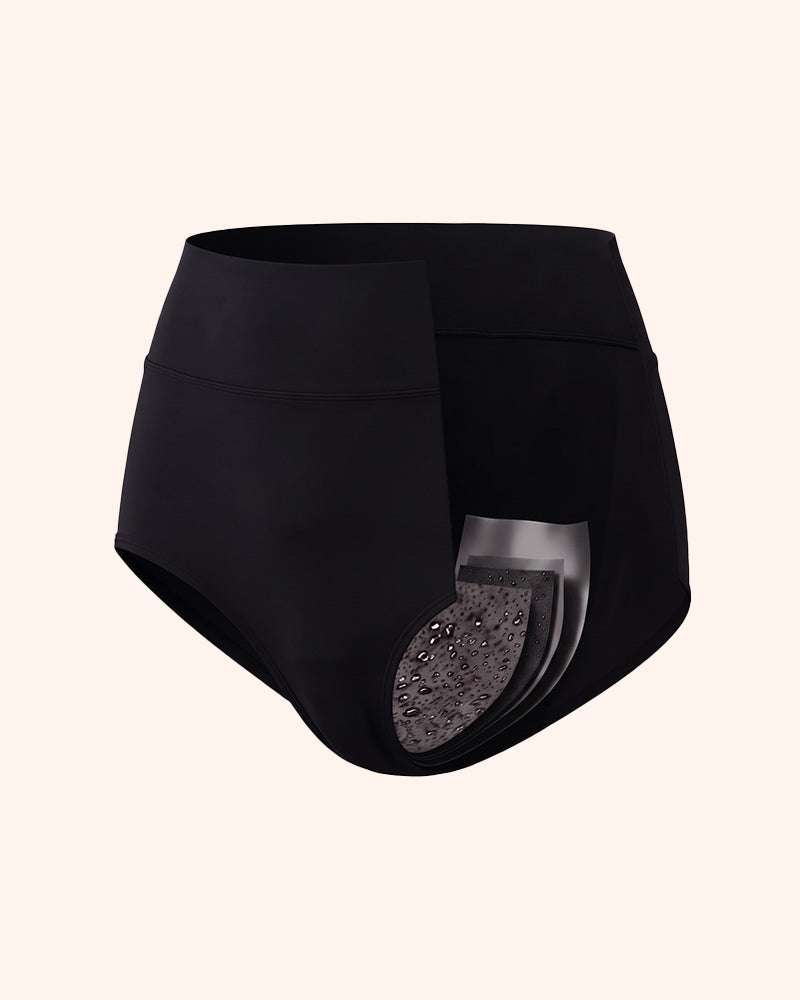
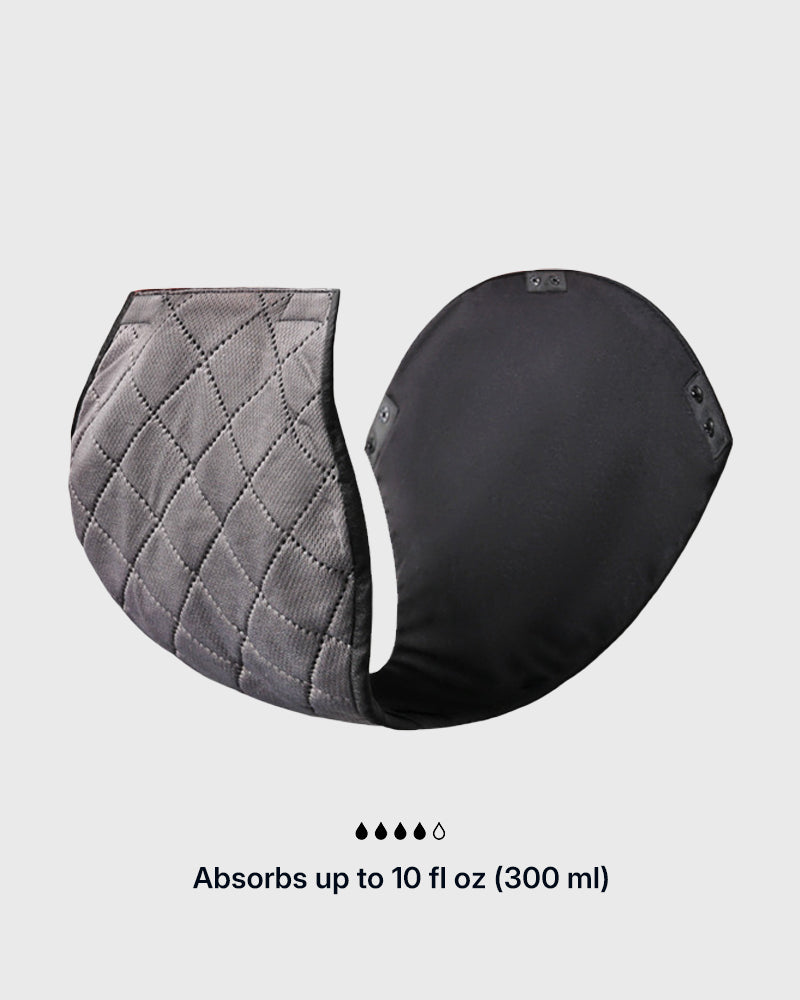
| Leakproof underwear | Washable underwear with a built-in absorbent layer | Staying dry while your pelvic floor catches up | Manages leaks; doesn't train the muscles |
If you've already read our guide on whether Kegels help bladder leaks, you'll know the same rule applies here: a stronger floor helps, but only when the floor is actually weak. Some women leak because the muscles are too tight, not too weak — and piling on more squeezing makes that worse. Our piece on a tight pelvic floor causing leaks explains how to tell the difference.
When Kegel Balls Probably Won't Help
Skip them — or at least talk to a clinician first — if any of this sounds familiar.
Your leaks are mostly urge. Running to the bathroom five times before lunch, leaking on the way there. Weights train the squeeze. They don't retrain the bladder's "go now" signal.
You've got pain down there. Pelvic pain, pain during sex, a heavy dragging feeling. Squeezing against a weight can make a tight, sore floor tighter.
You've had a prolapse diagnosis, recent pelvic surgery, or you're pregnant. These are "ask first" situations, not "try it and see." Same if you have an active infection — yeast, bacterial, urinary. Treat that first.
You've done Kegels properly for months and nothing changed. If a physio confirmed your technique is right and the leaks are the same, weights are unlikely to be the missing piece. The next step is an assessment, not a heavier ball. Our guide to what happens at pelvic floor physical therapy walks through what that first appointment looks like.
How to Try Them Without Wasting Your Money
Start with the lightest weight. If you can't hold it in while standing still for a few minutes, it's too heavy. You should be able to walk to the kitchen and back without it slipping. That's your starting point, not a failure.
Keep sessions short. Ten to fifteen minutes, a few times a week, with a few sets of squeezes inside that window. Don't wear them all day, and don't sleep in them. Your pelvic floor is a muscle. It needs rest days like any other.
Wash them every single time. Warm water and mild, unscented soap before and after. Let them dry fully before they go back in the pouch. Skip them entirely while you have any infection.
Set a deadline for judging them. Six weeks of steady use. If the cough-leak hasn't eased at all by then, stop buying heavier weights and book an assessment instead. Throwing more grams at the problem past that point is just shopping.
Don't use them as your only plan. While you're training, you still have to get through a workday, a school run, a sneeze in the checkout line. That's what washable leakproof underwear is for — it catches the leak so a bad training week doesn't mean a ruined pair of jeans. Toss them in a mesh laundry bag when you wash them, and keep a waterproof pouch in your bag for a spare pair on long days out.
Frequently Asked Questions
Do Kegel balls help with bladder leaks?
They can help with stress leaks — coughing, sneezing, lifting — by giving your pelvic floor something to squeeze against, which makes it easier to train the right muscles. The evidence is modest, and they work about as well as plain Kegels done correctly. They don't help urge leaks much, and they won't fix a pelvic floor that's too tight rather than too weak.
How long does it take for Kegel balls to work for incontinence?
Give it six weeks of regular use, a few short sessions a week, before you judge. Pelvic floor muscle changes are slow — most women who see any improvement notice it somewhere between four and eight weeks. If nothing has shifted after six steady weeks, that's your cue to get assessed rather than buy a heavier set.
Can you use Kegel balls with an IUD?
Most clinicians say yes, but check with the doctor who fitted it. The strings sit in a different spot, and a smooth ball shouldn't snag them, but if your IUD was fitted recently or you've had problems with it sitting low, ask first. And if you feel any tugging or pain, take the balls out and stop.
Are vaginal weights safe after childbirth?
Not right away. Wait until your six-week postpartum check and get the all-clear from your doctor or midwife first — especially if you had tearing or stitches. After that, many women start with the lightest weight and build up slowly. Our postpartum bladder leaks guide covers the recovery timeline in more detail.
Do Kegel balls help with urge incontinence?
Not really. Urge leaks come from the bladder muscle contracting when it shouldn't, not from a weak squeeze. Bladder training — gradually stretching the gap between bathroom trips — helps urge leaks far more than any weight will. If urgency is your main problem, start with our bladder training guide instead.
If you try Kegel balls, give them those six weeks before you decide. And if the leaks haven't budged, treat that as information, not failure — take it to a physio or your doctor, and let them figure out what your floor actually needs.

Share:
How to Manage Bladder Leaks on Your Wedding Day: A Practical Guide for Brides and Grooms
Can Incontinence Pads Cause a UTI? What to Know Before You Wear One All Day