


The short answer: Kegels help many bladder leaks — but not all of them. If your pelvic floor muscles are weak, strengthening them with Kegels is one of the best-supported things you can do for stress leaks. But if your pelvic floor is tight or overactive, doing more Kegels can actually make urgency, leaking, and pelvic pain worse. The key is figuring out which one you are before you commit to a routine.
How Kegels Are Supposed to Work
A Kegel is a squeeze-and-lift of the pelvic floor muscles — the hammock of muscles that supports your bladder, uterus (in women), and rectum, and helps keep the urethra closed. When these muscles weaken — after childbirth, with age, after prostate surgery, or simply from years of inactivity — the urethra gets less support, and leaks happen when you cough, sneeze, laugh, lift something heavy, or exercise.
Done correctly and consistently, Kegels can rebuild that support. It usually takes 6–12 weeks of daily practice to notice a real difference, and the exercises need to become a long-term habit — because the gains fade if you stop.
The classic instructions: tighten the muscles you'd use to stop the flow of urine, lift upward, hold for 5–10 seconds, fully release, and rest the same length of time. Repeat 8–12 times, two to three sessions a day.
Signs Your Pelvic Floor Might Be Weak — and Kegels Usually Help
A weak pelvic floor is the most common scenario, and it's the one Kegels were designed for. You may lean toward this category if:
- You leak when you cough, sneeze, laugh, jump, or lift heavy things (classic stress incontinence)
- Leaks started after vaginal childbirth or during menopause
- You notice a feeling of heaviness or "something giving way" when you stand or exert yourself
- It's hard to squeeze and lift at all — the muscles feel like they barely respond
- You pass gas more easily than you'd like, or have trouble holding it in
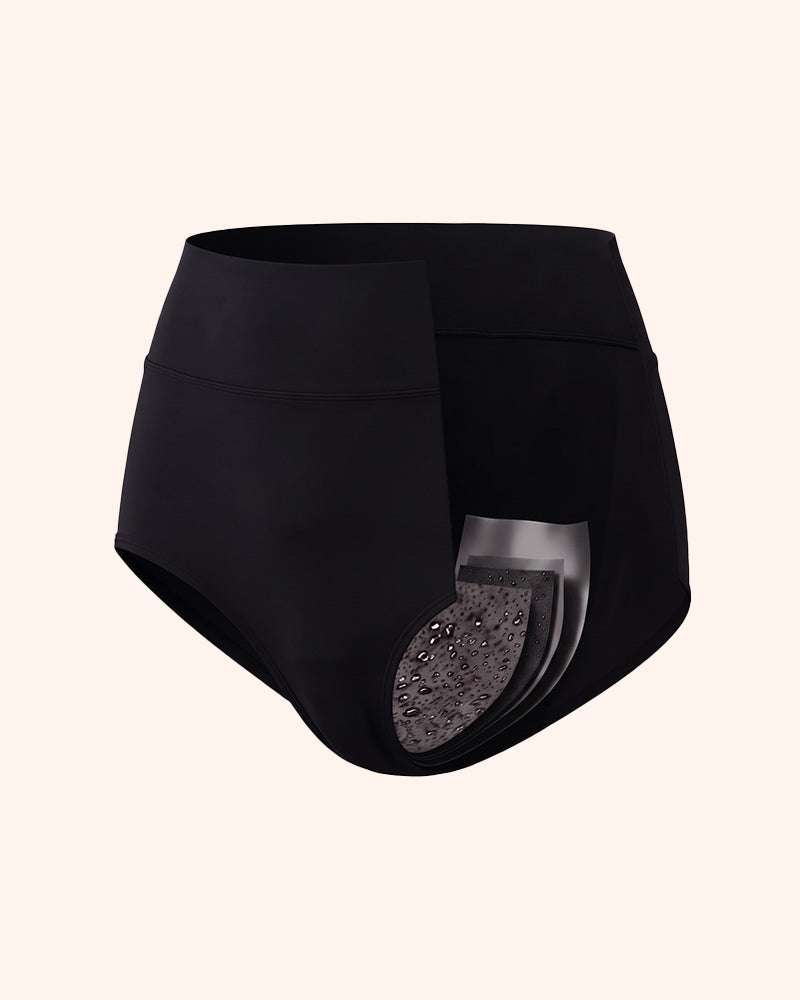
If this sounds like you, Kegels are usually a good bet. While you're rebuilding strength, washable leakproof underwear keeps daily life comfortable, and our beginner's guide to pelvic floor exercises walks through proper form.
Signs Your Pelvic Floor Might Be Tight — and Kegels Could Make Things Worse
Here's the part fewer people hear about: pelvic floor muscles can also be too tight — shortened, tense, and unable to fully relax. This is sometimes called a hypertonic pelvic floor. It can cause urgency, frequency, leaking, pelvic pain, pain during intimacy, constipation, and difficulty fully emptying the bladder or bowels.
Think of it like a clenched fist: asking it to squeeze harder doesn't help — it needs to learn how to open first. If your pelvic floor can't relax, more Kegels can increase tension, worsen urgency, and even trigger more leaks. Clues that point toward a tight pelvic floor:
- You feel a constant urge to pee, even right after going (see our guide to urgency and urge incontinence)
- You struggle to start the stream, or feel like you never fully empty
- You have pelvic, tailbone, or lower-back pain, or pain during sex
- Kegels make your symptoms worse — more urgency, more pressure, more discomfort
- Deep breathing or gentle stretching brings noticeable relief
Weak vs. Tight Pelvic Floor: A Quick Comparison
| Feature | Likely Weak | Likely Tight |
|---|---|---|
| Main leak trigger | Coughing, sneezing, exercise, lifting | Sudden urgency, "can't hold it" moments |
| Squeeze feels like… | Barely anything; muscles feel unresponsive | Crampy, quick to fatigue, or hard to release |
| Bladder emptying | Usually fine | Feels incomplete; may need to push |
| Pain | Usually none | Pelvic, tailbone, or pain with intimacy |
| Kegels tend to… | Gradually improve symptoms | Make urgency or pain worse |
| Often helps instead | Progressive strengthening | Relaxation, reverse Kegels, breathing work |
How to Tell Whether You're Doing Kegels Right
A large share of people do Kegels incorrectly — often bearing down (like straining on the toilet) instead of lifting, or holding their breath and clenching thighs and glutes. A few self-checks:
- The mirror check: A correct Kegel produces a gentle upward lift of the pelvic floor — the perineum (the area between the vagina/scrotum and the anus) should draw up, not push down. If you see bulging downward, you're bearing down.
- The stop test (one-time only): Try stopping your urine flow once to identify the right muscles. If you can, you've found them. Don't repeat this as exercise — it can confuse the bladder-brain signaling.
- The breath test: You should be able to breathe normally during a Kegel. If you're holding your breath, clenching your jaw, or squeezing your thighs, the effort is going to the wrong muscles.
- The release matters: Every squeeze must end with a full release. A Kegel routine that never relaxes trains tension, not control.
If none of the checks feel clear, that's a sign to get assessed in person — see the section on pelvic floor physical therapy below.
What to Try Instead of (or Alongside) Kegels
If a tight pelvic floor seems likely — or if Kegels just haven't helped after a few consistent months — these approaches focus on relaxation, coordination, and bladder habits rather than raw strength.
Reverse Kegels (pelvic floor relaxation)
Instead of squeezing, practice the release: gently lengthen and drop the pelvic floor, as if letting go to start the flow of urine. Hold the relaxed state for 5–10 seconds while breathing deeply.
Diaphragmatic breathing
Slow belly breathing naturally moves the pelvic floor with each breath. Lie down, place a hand on your belly, inhale so the belly rises and the pelvic floor gently drops, exhale and let everything float back. Five minutes a day is a reasonable start.
Gentle stretches and positions
Child's pose, supported deep squats, and lying with knees bent and dropped open all encourage the pelvic floor to lengthen.
Bladder training
For urgency-driven leaks, gradually extending the time between bathroom visits can help as much as any muscle work. Our guide to bladder training for urgency covers the method.
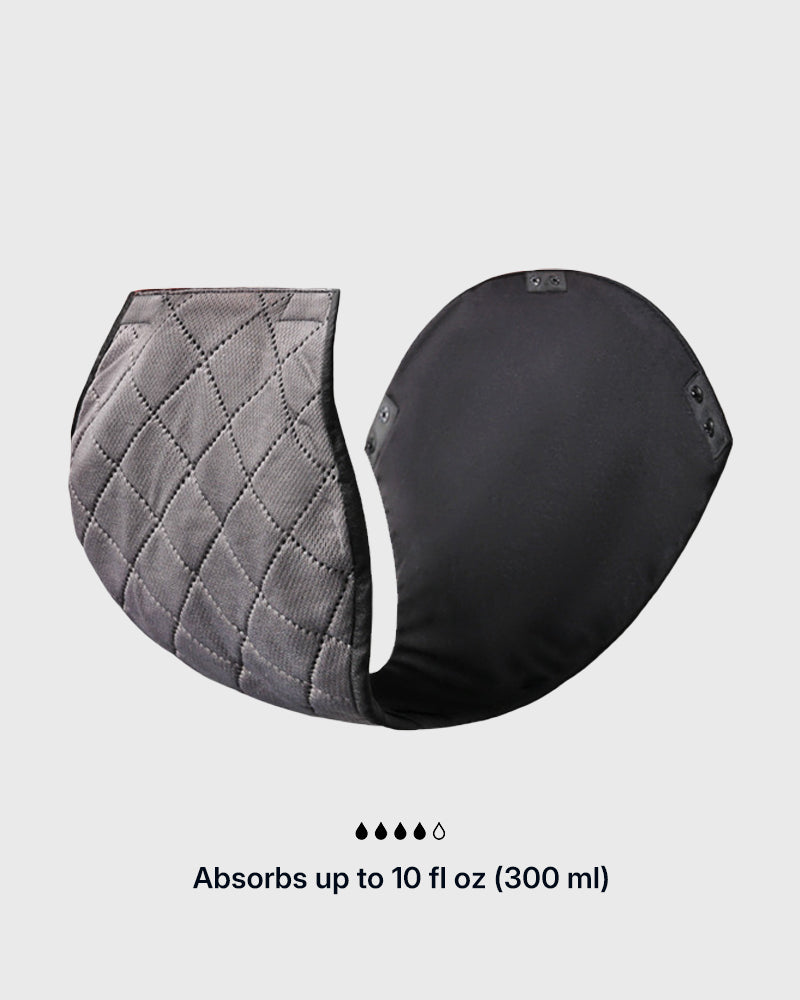
Whatever approach you take, reliable backup protection helps while you work on the underlying issue. For men, men's washable leakproof underwear plus a reusable booster pad handle heavier days; a waterproof carry pouch and mesh laundry bag make the washing routine simple.
When to See a Pelvic Floor Physical Therapist
Consider professional assessment if:
- You can't tell whether your pelvic floor is weak or tight
- Kegels have made symptoms worse, or done nothing after 2–3 consistent months
- You have pelvic pain, pain with intimacy, or difficulty emptying bladder or bowels
- Leaks are heavy, sudden, or getting worse (see when to see a doctor about bladder leaks)
A pelvic floor physical therapist can assess muscle tone directly and tell you definitively whether you need strengthening, relaxation, or a mix of both. Many people need only a few sessions to learn the right program.
Frequently Asked Questions
Should I do Kegels for bladder leaks?
Often yes — but only if your pelvic floor is weak rather than tight. Kegels are the first-line recommendation for stress leaks (leaking with coughing, sneezing, exercise). If you have urgency, pelvic pain, or trouble fully emptying, get assessed for a tight pelvic floor first — strengthening an already-tense muscle group can worsen symptoms.
How do I know if my pelvic floor is weak or tight?
Weak pelvic floors typically leak with physical effort and struggle to produce a squeeze; tight ones tend to produce urgency, incomplete emptying, and pelvic pain. When in doubt, a pelvic floor physical therapist can assess you in one visit.
Can Kegels make incontinence worse?
They can, if your pelvic floor is hypertonic (overly tight). More squeezing on an already-tense muscle can increase urgency, pelvic pressure, and pain. This is why the "release" half of every Kegel matters — and why persistent worsening is a signal to pause and get assessed rather than push harder.
How long does it take for Kegels to work?
Most guidelines suggest 6–12 weeks of daily practice before judging results, with continued maintenance afterward. If you've done them correctly and consistently for 3 months with no improvement — or things got worse — it's time to reconsider the diagnosis, not just the dosage.
Do men need Kegels too?
Yes. Men have pelvic floors too, and Kegels are a standard part of recovery after prostate surgery, as well as a first-line approach for men's stress leaks. The same weak-vs-tight logic applies — and the same caution about doing them correctly.
What if Kegels alone aren't enough?
That's completely normal. Kegels are one tool, not the whole toolbox. Bladder training, fluid and caffeine habits, weight management, and reliable protection like reusable leakproof underwear all play a role — and professional assessment connects the dots faster than trial and error.

The bottom line: "Should I do Kegels for bladder leaks?" is the right question — and the honest answer starts with knowing your own pelvic floor. Weak muscles need strengthening; tight muscles need releasing. Get the diagnosis right first, and everything else falls into place.

Share:
Is It Normal to Leak Urine During Pregnancy? Why It Happens and What Can Help
What Is a Bladder Diary and How to Keep One for Incontinence?