


The short answer: Yes — leaking urine during pregnancy is very common, especially in the third trimester, and for most women it's simply the bladder adjusting to a growing baby, shifting hormones, and a pelvic floor under extra load. If you leak a little when you sneeze, cough, laugh, or stand up, you're in good company: studies consistently find that a large share of pregnant women experience some degree of stress leakage. It's usually manageable, and for many women it improves after birth.
That said, "common" doesn't mean "nothing to think about." Knowing why it happens, how to tell a urine leak from other fluids, and what actually helps can make the rest of your pregnancy noticeably more comfortable.
Why Do Bladder Leaks Happen During Pregnancy?
Your bladder is dealing with a triple challenge during pregnancy:
- Hormones soften support structures. Progesterone and relaxin loosen ligaments and smooth muscle throughout the body — including the tissues that help keep the bladder outlet closed. Sneezing or laughing can briefly overpower them.
- A growing uterus takes up space. As your baby gets bigger, the uterus presses directly on the bladder, reducing how much urine it can comfortably hold. That's why the "need to pee again already?" feeling ramps up in later months.
- Your pelvic floor is carrying extra weight. The pelvic floor muscles support the bladder, uterus, and bowel. Months of extra load can leave them a bit tired or less coordinated, so a sudden pressure spike — a cough, a sneeze, picking up a toddler — lets a little urine escape.
- Your body makes more urine. Blood volume rises significantly during pregnancy, and your kidneys process more fluid, so the bladder fills faster than you're used to.
Most pregnancy leaks are stress-type leaks: small amounts released during physical pressure. That's why you can feel totally fine one moment and caught off guard by a sneeze the next.
Is It Normal to Leak Urine During Pregnancy — and When Does It Usually Start?
Yes, it is normal to leak urine during pregnancy. Many women first notice it in the second trimester when laughing or exercising, and it tends to peak in the third trimester when the baby is heaviest. Small leaks — a few drops to a teaspoon — are the typical pattern. First pregnancies, twins, and women who've had previous vaginal births may notice it earlier or more often.
What isn't typical: losing large amounts of urine without warning, constant wetness you can't explain, or pain and burning when you pee. We'll cover those in the "when to call your doctor" section below.
Urine, Discharge, or Amniotic Fluid? How to Tell
One of the most common worries is mistaking something else for a urine leak. A quick comparison helps:
| What it is | Typical trigger | Smell and color | What to do |
|---|---|---|---|
| Urine leak | Sneezing, coughing, laughing, standing up, lifting | Smells like urine; pale to dark yellow | Manageable with the steps below |
| Vaginal discharge | No trigger; increases naturally in pregnancy | Usually odorless or mild; milky white | Normal — mention at your next checkup if it changes |
| Amniotic fluid | Sudden gush or steady trickle you can't stop; often no sneeze involved | Sweet-smelling or odorless; clear or pale | Call your doctor or midwife promptly |
Still unsure? Put on a fresh liner or pair of underwear and check after an hour. Urine leaks tend to happen in small bursts tied to movement; amniotic fluid keeps coming. When in doubt, call your provider — they'd much rather reassure you than have you worry.
5 Things That Can Help You Manage Leaks During Pregnancy
1. Empty your bladder fully and regularly
Don't "hold it" for hours, but don't dash to the bathroom "just in case" every twenty minutes either — that can train the bladder to signal too early. When you pee, lean slightly forward on the toilet; it helps the bladder empty more completely so there's less left to leak.
2. Strengthen your pelvic floor safely
Pelvic floor exercises (Kegels) are widely recommended during pregnancy. A simple routine: tighten the muscles you'd use to stop the flow of urine, hold for about five seconds, release for five seconds, and repeat ten times, a few times a day. If anything hurts, or if you've been told you have a high-risk pregnancy, check with your provider first. Our beginner's guide to pelvic floor exercises walks through the technique step by step.
3. Go easy on bladder irritants
Caffeine, carbonated drinks, citrus juices, and very spicy foods can make the bladder more excitable for some people. You don't need to give anything up entirely, but noticing patterns can help — our guide to common bladder irritants lists the usual suspects.
4. Wear protection that grows with you
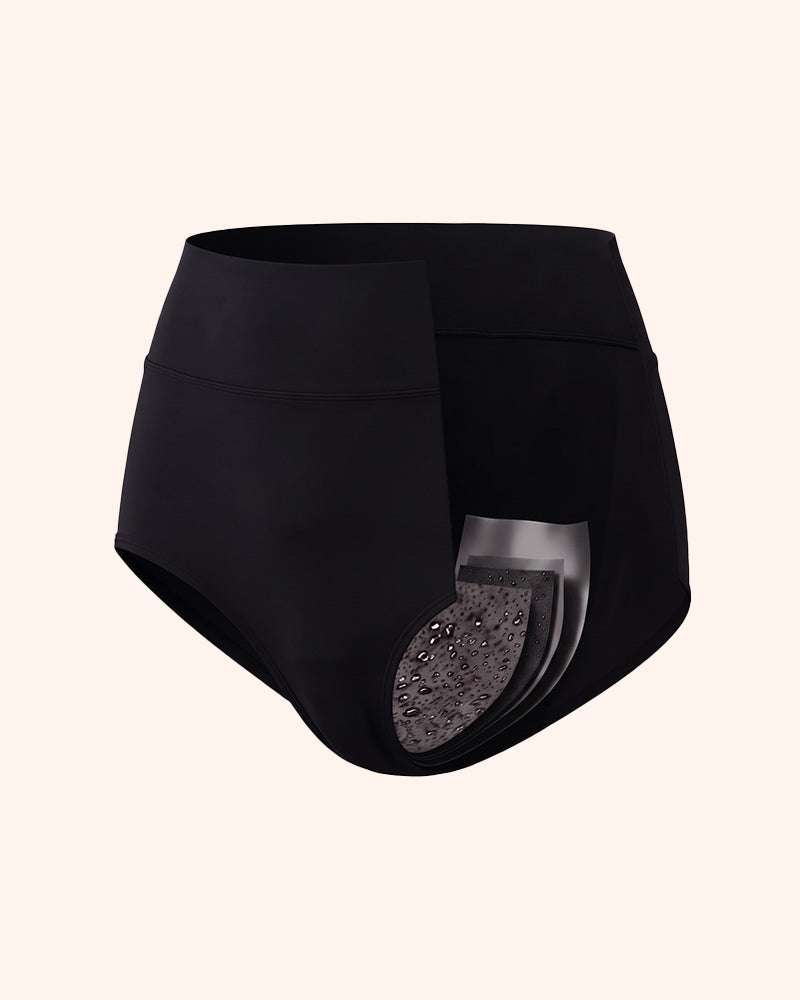
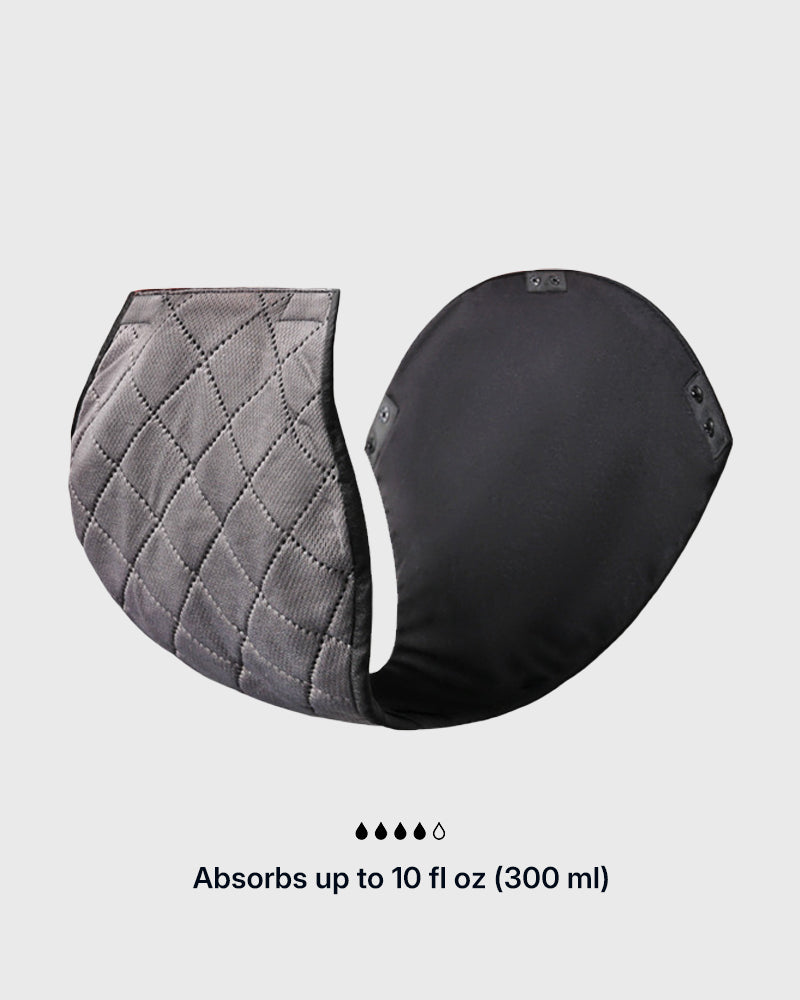
This is the part that quietly changes daily life: once you stop worrying about an unexpected leak, everything feels easier. Look for underwear with a high waistband that sits comfortably over a bump, a wide absorbent zone, and no bulky pad lines under clothes. Our Stay Discreet women's leakproof underwear is designed to look and feel like regular underwear while absorbing leaks — and a waterproof carry pouch keeps a fresh pair discreetly in your bag. Not sure how many to keep on hand? See how many pairs of incontinence underwear you need, and how to wash and care for them so they stay fresh for daily use.
5. Plan for long days out
Scout bathrooms when you're somewhere new, wear darker bottoms on days you'll be active, and keep that spare pair handy. A small amount of preparation removes most of the anxiety around outings.

Will the Leaks Stop After Birth?
For many women, yes — bladder leaks improve noticeably in the weeks after delivery as pressure on the bladder lifts and hormones settle. Continuing gentle pelvic floor exercises after birth (once your provider gives the go-ahead) supports recovery. That said, some women — especially after difficult or multiple births — find leaks linger for months. If leakage is still a regular part of life around three to six months postpartum, it's worth discussing with your provider; pelvic floor physiotherapy helps a great deal. Our postpartum bladder leaks guide covers what the recovery period looks like.
When to Call Your Doctor
Leaking itself is usually harmless, but call your provider promptly if you notice any of the following:
- Burning, stinging, or pain when you pee, or fever and chills (possible urinary tract infection — UTIs are more common in pregnancy)
- A sudden gush of fluid or a continuous trickle you can't control (possible amniotic fluid)
- Leaking accompanied by regular tightening or contractions
- Blood in your urine
- Sudden, severe swelling of the face or hands along with other new symptoms
None of these mean something is definitely wrong, but they all deserve a professional check.
Frequently Asked Questions
Is it normal to leak urine when I sneeze or cough during pregnancy?
Yes. Sneezing and coughing create a sudden spike of pressure on the bladder, and with pregnancy hormones loosening the tissues around it, small leaks are one of the most common complaints — especially in the second and third trimesters.
How can I stop leaking urine during pregnancy?
You may not be able to stop it entirely, but most women reduce it substantially: daily pelvic floor exercises, fully emptying the bladder when you pee, easing off bladder irritants like caffeine, and wearing absorbent leakproof underwear so a small leak never ruins your day.
How do I know if I'm leaking urine or amniotic fluid?
Urine leaks usually come in small bursts tied to movement — a cough, laugh, or position change — and smell like urine. Amniotic fluid often arrives as a gush or a steady trickle with no trigger and smells sweet or odorless. When in doubt, call your provider.
Will my bladder leaks go away after I give birth?
Often, yes — many women see big improvement within weeks of delivery. If leaks persist beyond a few months postpartum, pelvic floor physiotherapy is very effective, and your provider can point you in the right direction.
Can I do pelvic floor exercises while pregnant?
In most pregnancies, yes — Kegels are one of the most recommended exercises for preventing and reducing leaks. Keep the routine gentle, stop if anything hurts, and confirm with your provider if your pregnancy is high-risk.
Bottom line: leaking urine during pregnancy is normal, common, and manageable. A few practical habits — plus protection you can trust — let you focus on the exciting part. If you'd like underwear designed for exactly this stage of life, take a look at our Stay Discreet women's leakproof underwear.

Share:
Can You Fix Bladder Leaks Without Surgery? Non-Surgical Options That Actually Help
Should You Do Kegels for Bladder Leaks? When Kegels Help — and When They Can Make Things Worse