


The short answer: Yes — for many women, a pessary does help with bladder leaks, especially when you cough, sneeze, laugh, or lift something heavy. It's a small silicone device that sits inside the vagina and supports the bladder neck and urethra. It doesn't fix weak pelvic floor muscles, and it isn't right for everyone, but it's removable, non-surgical, and you can usually tell within a few weeks whether it's helping.

If you've never heard of one, you're not alone. Plenty of women first hear the word "pessary" mid-sentence in a doctor's office — or at 2 a.m., googling in bed after a sneeze ruined a good pair of jeans.
What exactly is a pessary?
A pessary is a soft, medical-grade silicone device inserted into the vagina, where it supports the pelvic organs. Most are ring-shaped, about the size of a small donut. Think of it as internal scaffolding: when pelvic floor muscles and ligaments weaken — after childbirth, during menopause, or just with age — the bladder and urethra can drop slightly out of position, and that shift is often what turns a cough into a leak. A pessary nudges things back so the urethra can close properly under pressure.
Two things surprise most people. First, pessaries aren't new — doctors have used versions of them for over a century; modern silicone ones are just softer and easier to live with. Second, they're not only for bladder leaks. The same device can ease pelvic organ prolapse, and the two problems often travel together. A pessary is not a tampon, and it's not a permanent implant. Some women wear one only during the day; others leave it in for weeks between checkups.
Does a pessary help with bladder leaks?
For stress incontinence — leaks triggered by pressure, like coughing, jumping, or picking up a grandchild — the answer is often yes. A well-fitted pessary cuts down leak episodes for a large share of women who try one. It works best when the main problem is support, not an overactive bladder muscle. If your leaks come mostly from sudden, overwhelming urgency, a pessary alone probably won't do much — the bladder muscle itself is the driver there. Sorting out your leak type is step one; this guide to stress vs. urge incontinence can help before your appointment.
Here's the honest version, though. A pessary won't strengthen anything — it just compensates while it's in. That's why clinicians often pair it with pelvic floor exercises: the pessary handles the leak today, the exercises work on the muscle underneath. See whether Kegels actually help and what a first pelvic floor physio appointment looks like.
Fitting takes patience. The first size tried isn't always the right one, and some women need two or three fittings before it feels like nothing's there — which is exactly how it should feel. One that pinches or slips needs adjusting, not enduring.
What does getting fitted feel like?
Not as bad as most women expect — fear of the fitting stops a lot of people from trying, needlessly.
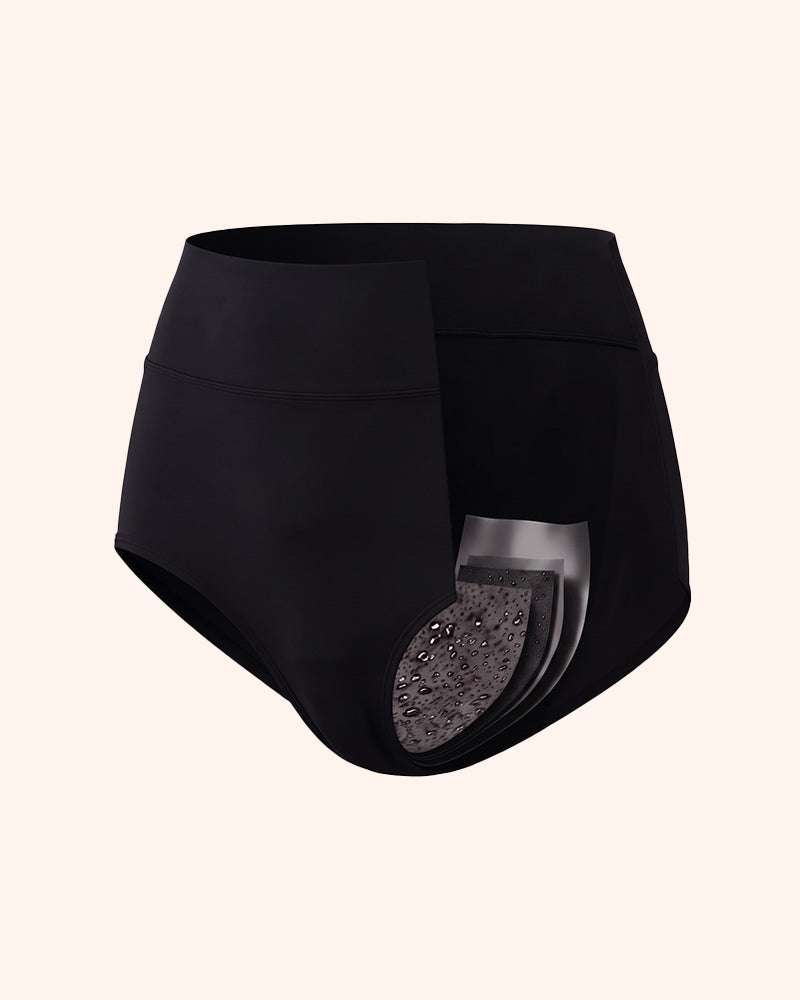
Your clinician will do a pelvic exam, measure, and try a size. You'll stand up, cough, walk around, and squat — checking it stays put when you're moving, not just lying on an exam table. It usually takes 15 to 30 minutes: some pressure, some awkwardness, but most women call it uncomfortable rather than painful. Bring leakproof underwear for the trip home.
You'll go back in a week or two for a fit check, then checkups stretch to every few months. Many women learn to remove and reinsert it themselves, washing it with mild soap and water at home.
Ring, cube, dish — does the shape matter?
Yes — your clinician picks based on your body, not preference:
| Type | Best for | What to know |
|---|---|---|
| Ring (with or without support) | Stress leaks, mild prolapse | Most common first try; easy to insert and remove |
| Dish / Gellhorn | More advanced prolapse | Stays put when a ring slips; trickier to remove |
| Cube | Prolapse when other shapes won't stay | Suctions gently to the wall; must come out daily |
| Incontinence dish / ring with knob | Stress leaks specifically | Small bump presses under the urethra for extra support |
Don't get attached to a shape beforehand. Bodies differ, and the "best" pessary is the one you forget you're wearing.
What can go wrong?
Most side effects are mild and fixable. Vaginal irritation or extra discharge tops the list in the first weeks, plus a bit of spotting for some. Odor can show up if it stays in too long without cleaning — which is why follow-up matters.
Less common: one that's too big can cause discomfort during sex or trouble emptying your bladder; one that's too small slides out of place, sometimes mid-squat at the gym. Serious complications like ulceration are rare and almost always tied to a pessary left unchecked far too long. The fix is simple: the right size, regular cleaning, and showing up for checkups.
One practical tip: vaginal estrogen cream, often prescribed alongside a pessary after menopause, can make the whole setup more comfortable. Ask your clinician — don't just add it on your own.
Pessary, surgery, or leakproof underwear — how do you choose?
These aren't rivals. Plenty of women use more than one, and the mix changes over the years. A pessary suits you if you want something non-surgical, reversible, and relatively cheap, and you'll attend follow-ups. Surgery, like a sling procedure, suits women who want a one-and-done fix and accept operating-room risks and recovery. Leakproof underwear suits everyone, frankly — it handles the leak itself whatever else you're doing about the cause.
Think about your actual week. Leak mainly on your Saturday morning run? A pessary you pop in for exercise, backed by washable leakproof underwear, might be enough. Leaking through the workday despite everything? You may need the combination, plus a look at other non-surgical options.
Still deciding? Nothing about trying a pessary closes other doors. You can stop any time, and surgery stays available later. The only real cost is the fitting appointment and a few weeks of seeing how it feels in real life — the school run, the grocery line, the third load of laundry this week.
Questions to ask at your appointment
Walk in with a short list — appointments fly by, and "any questions?" always comes when your mind goes blank:
- Which type of leak do I have, and will a pessary help that type?
- Can you teach me to insert and remove it myself?
- How often should I take it out and clean it?
- What should I do if it slips or feels uncomfortable?
- Will it affect sex, exercise, or swimming?
- Do I need vaginal estrogen cream with it?
Write the answers down — in your phone, on the appointment card, anywhere. You'll want them at 9 p.m. when you're wondering whether mild pressure is normal. (Usually yes, in week one. Call the clinic if it turns into pain, bleeding, or trouble peeing.)
Frequently asked questions
Does a pessary help with bladder leaks caused by coughing and sneezing?
That's the type it helps most. Coughing, sneezing, laughing, and lifting raise abdominal pressure, and a pessary supports the urethra so it stays closed. If those are your main triggers, you're a strong candidate.
Does a pessary help with bladder leaks from an overactive bladder?
Usually not much on its own. Overactive bladder leaks come from the bladder muscle contracting when it shouldn't, and a support device doesn't calm that muscle. Bladder training or medication tends to work better there.
Can you wear a pessary every day?
Many women do, though some take it out at night or wear it only for leak-triggering activities. Cube pessaries must come out daily; ring and dish types can often stay in for weeks between cleanings. Follow your clinician's schedule, not a guess.
Can you have sex with a pessary in?
Often yes, based on the type. Ring pessaries usually don't interfere, though some partners notice them. Dish and cube types generally need to come out first. If sex is painful with one in, that's a fitting issue — tell your clinician rather than quietly giving up on it.
Does a pessary help with bladder leaks after menopause?
It can — menopause is one of the most common times women start using one, since falling estrogen thins vaginal tissue and weakens support. Vaginal estrogen cream is frequently prescribed alongside it.
Will I still need leakproof underwear if I use a pessary?
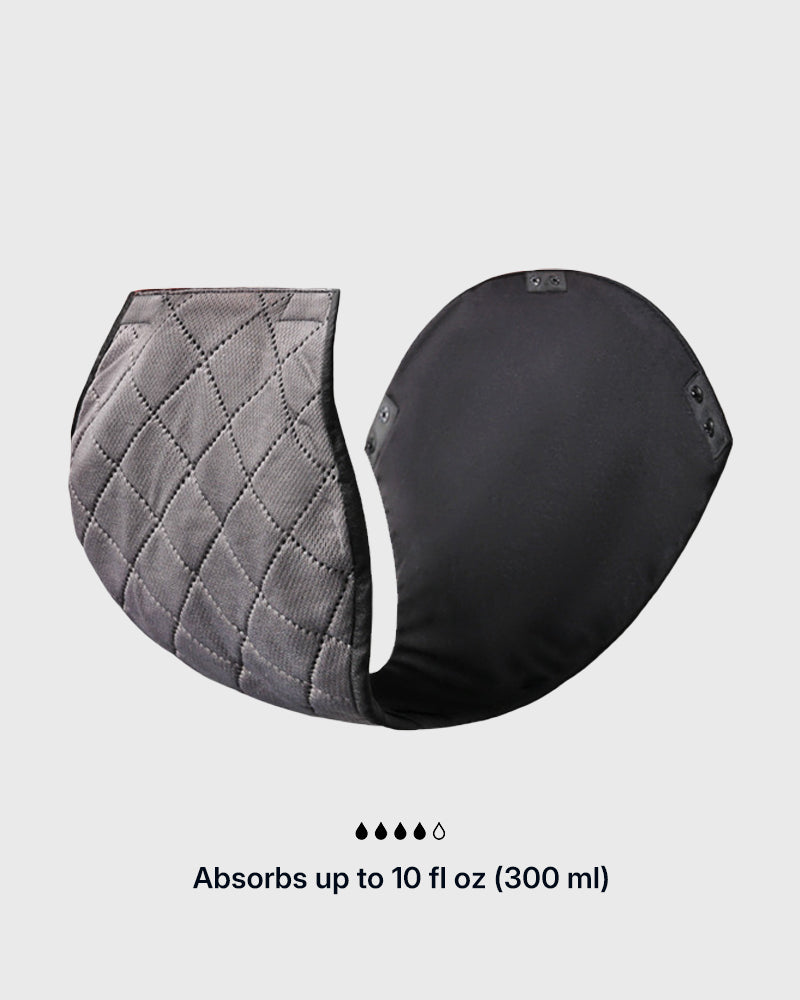
Maybe, at least at first. A pessary reduces leaks; it doesn't guarantee zero. Lots of women keep wearing washable leakproof underwear as backup while getting used to the fit, with a waterproof carry pouch and laundry bag in their bag for changes on the go.
Note: general information, not medical advice. A pessary needs a clinician fitting; new pain, bleeding, unusual discharge, or trouble urinating deserves a call to your doctor.

Share:
What Happens at Pelvic Floor Physical Therapy for Bladder Leaks? What to Expect at Your First Appointment
How Often Should You Change Incontinence Underwear? A Simple Timing Guide