


The short answer: Wear leakproof underwear you trust, arrive ten minutes early so you can use the bathroom before you sit down, and keep a spare pair in your bag. That's the whole plan for how to manage bladder leaks during a job interview — the rest is nerves doing what nerves do.
It's 9:50 a.m. You're in the lobby for a 10:00 interview, and the receptionist offers you coffee. You say yes because it feels rude to say no, then immediately regret it. Your bladder picks that exact moment to remind you it exists. Interviews are basically designed to trigger every bladder worry at once: nerves, caffeine, a waiting room with no clear exit, and an hour where you can't just get up and leave.
The good news: an interview is one of the easiest leak situations to plan for. It's short, it's indoors, and you control almost everything before you walk in.
Why interviews make leaks worse
Nerves hit the bladder twice. Stress hormones make you need to go more often — the same reason you pee three times before a big presentation. And your attention is locked on the interview, so you miss the early signals until they're loud.
Then there's the coffee. Most offices offer it, and most of us accept it out of politeness. Caffeine is a bladder irritant, and a full cup on top of interview nerves is a bad combo. If you want something in your hand, ask for water. Nobody judges that.
Then there's the waiting room. You sit still for fifteen minutes, pressure builds, and then you stand up when they call your name — and standing is exactly when stress leaks tend to happen.
How to manage bladder leaks during a job interview: your morning plan
Do the thinking the night before, so the morning is just execution.
The night before. Lay out your outfit — dark trousers or a dark skirt, which hide a damp patch if the worst happens. Pack your bag: a spare pair of leakproof underwear, a waterproof pouch for the wet one, a few wipes, and a small plastic bag. The whole kit fits in the side pocket of a laptop bag. Check the route and the building entrance so you're not sprinting the last two blocks — running late is the fastest way to arrive flustered and full.
The morning of. Use the bathroom right before you leave, even if you went twenty minutes earlier. Eat something light, skip the second coffee, and sip water instead of gulping it. Arrive ten minutes early — that buffer gives you time to find the bathroom, use it, and sit down calm instead of walking straight from the street into the interview chair.
When you arrive, ask the receptionist where the restroom is — "Could you point me to the restroom?" takes five seconds and sounds completely normal. Use it before the interview starts. A two-minute trip buys you the first forty-five minutes of focus.
What should you wear to an interview when you leak?
Your underwear choice matters more than anything else you're wearing, because it's the only layer doing actual work.
| Option | Discreet under interview clothes | Change time if needed | Best for |
|---|---|---|---|
| Reusable leakproof underwear | Yes — looks and feels like normal underwear | About 2 minutes in a restroom stall | Light to moderate leaks, all-day wear |
| Disposable pads | Yes, under most outfits | About 1 minute | Backup for a heavy day or extra reassurance |
| Disposable pull-ups | Bulkier under slim trousers | About 3 minutes, needs more space | Heavier leaks or overnight-level worry |
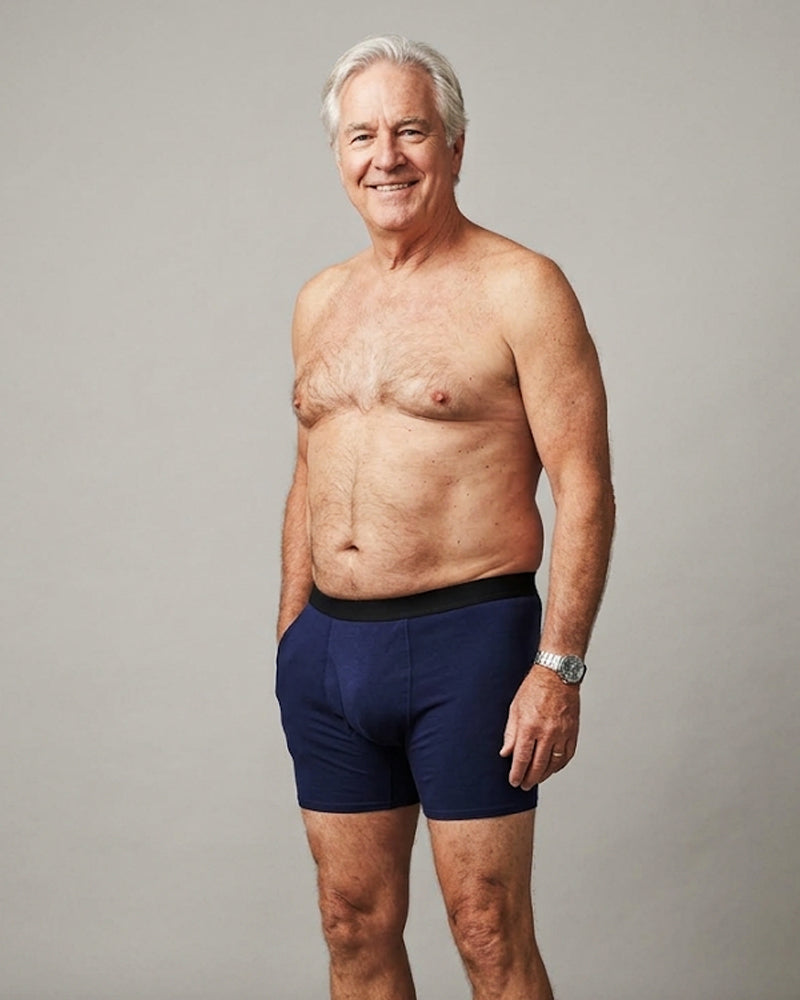
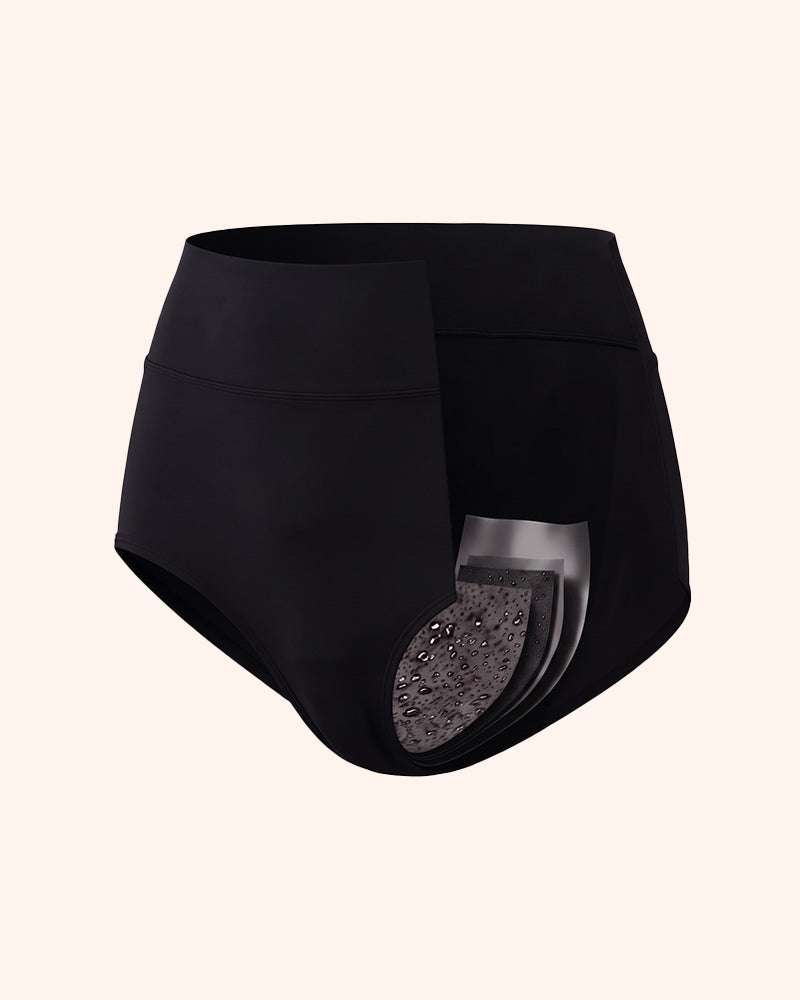
For most interviews, leakproof underwear is the simplest choice — it looks like regular underwear under a suit, it doesn't rustle, and there's no pad shifting around when you cross your legs. The men's leakproof underwear and women's leakproof underwear both come in black, which disappears under dark interview clothes, and they wash like normal underwear afterwards.
One fit note: wear a pair you've already broken in, not a brand-new one. A new pair can pinch, and the last thing you need is adjusting your waistband while someone asks about your greatest weakness. If you haven't tried leakproof underwear before, our first-time guide covers what to expect.
The waiting room: those 15 minutes before they call your name
This is the part people dread most, and it's the easiest to handle once you have a routine.
Sit near the aisle end of the waiting area, not wedged into the middle of a row — that way you can stand up without climbing over anyone. Keep your bag on your lap or at your feet, not three chairs away. Give yourself something to do with your hands: reread the job description. Idle waiting makes you notice every bladder signal; a small task takes your brain off it.
If the urge spikes while you're waiting, don't white-knuckle it. Walk to the restroom. You have time — you arrived ten minutes early for exactly this reason. Sitting there crossing your legs and hoping it passes is how a small urge becomes a leak.
And if they call your name while you're in the restroom? It happens. Smile, say "Sorry about that, I was just in the restroom," and walk in. Nobody has ever lost a job over that sentence.

What if you leak in the middle of the interview?
What usually happens: a few drops. Your underwear is built for exactly that — give it a moment to do its job. Nobody across the table can see it, and the conversation doesn't stop.
If it's bigger, don't panic and don't rush. Wait for a natural pause — the interviewer looking at their notes, the end of one of your answers — and say, "Excuse me, may I use the restroom for a moment?" That's it. Interviewers hear it all the time. Walk at a normal pace, change into your spare pair, bag the wet one in the pouch, wash your hands, and walk back in.
Don't apologize five times or explain why. One calm sentence, a three-minute break, and you're back to talking about the job. Most interviewers won't even remember it happened — they're thinking about their next question, not your bladder.
After the interview: the part nobody plans
Once you're out of the building, the tension drops — and that's often when the urge comes back hard. Don't drive forty minutes home without stopping. Pop into a café, use the restroom, change if you need to. If you drove there, our driving guide has the same logic for long commutes.
Then the practical bit: rinse the used pair in cold water when you get home and hang it to dry — a mesh laundry bag keeps it separate from the rest of your wash. And if there's a second round, you've already got a routine that works: same bag, same outfit, same ten-minute buffer.
The interview is about your skills, not your bladder. A little prep keeps it that way.
Frequently asked questions
Can I wear leakproof underwear to a job interview?
Yes — that's exactly what it's made for. It looks and feels like regular underwear under interview clothes, handles the small leaks that nerves, coffee, or standing up can trigger, and nobody can tell you're wearing it. For most people, it's the simplest version of how to manage bladder leaks during a job interview.
How do I manage bladder leaks during a job interview if there's no bathroom nearby?
Ask the receptionist when you arrive — every office has one, and the question sounds completely normal. Use it before the interview starts, and bring a spare pair and a waterproof pouch in your bag so a leak is a two-minute change, not a crisis. That's the core of how to manage bladder leaks during a job interview.
Will the interviewer notice I'm wearing leakproof underwear?
No. Good leakproof underwear looks like normal underwear — no bulk, no rustle, no visible lines under trousers or a skirt. If you're worried, check the fit in the mirror before you leave. Our guide on whether people can tell you're wearing it covers the details.
Should I tell the interviewer I have bladder leaks?
You don't need to. It's private health information, and it has nothing to do with the job. If you need a bathroom break, a simple "Excuse me, may I use the restroom?" is all the explanation anyone needs.
What if I need the bathroom during the interview?
Ask, go, come back. Interviewers expect it — interviews run long, people drink water, and a short break is completely normal. If you feel the urge building, don't try to power through it; a calm two-minute break beats a leak every time.
Related reading: Bladder Leaks at Work: How to Stay Comfortable and Confident During the Workday · What to Pack in Your Bag for Bladder Leaks? A Discreet Everyday Carry Kit · How to Manage Bladder Leaks at a Hotel
Share:
How to Manage Bladder Leaks on a Cruise: Cabins, Shore Days, and Dining Rooms Without the Worry
How to Manage Bladder Leaks When Staying Overnight at Someone Else's House: A Practical, Discreet Guide