


You know the drill. You brush your teeth, climb into bed, and just as you're drifting off, your bladder pipes up. Again. By 2 a.m. you're up for the second time, wide awake, staring at the ceiling and doing the maths on how little sleep you'll get before morning.
The short answer: if you're trying to sleep through the night with incontinence, a calm, repeatable nighttime routine can cut down the 2 a.m. scrambles. The trick is front-loading the decisions: fluids earlier, one last bathroom trip that actually counts, the right protection already on, and a spare set within arm's reach so a leak doesn't turn into a full laundry event at midnight.
That's the whole idea. Not a perfect night. A boring, predictable one.

Why do nights feel harder than days?
During the day, you're moving, distracted, and usually near a bathroom you trust. At night, everything narrows to one room, one bed, and your own thoughts. A small leak that you'd shrug off at noon feels like a disaster at 1:30 a.m. — partly because you're half-asleep, partly because changing sheets in the dark is miserable.
There's also a plain physical bit. Lying flat shifts fluid around your body, and your kidneys keep working while you sleep. If you've had a big drink late in the evening, your bladder will likely collect on that tab.
None of that means something is seriously wrong with you. Nighttime leaks are common, and they show up in plenty of the same conditions that cause daytime leaks. If you're waking up soaked most nights, or you can't get back to sleep because of it, that's worth a conversation with your doctor — but the routine below helps either way, because it shrinks the mess and the worry around it.
How do you sleep through the night with incontinence? Start with the last two hours
Think of it as a wind-down, not a set of rules to stress over. Around 9 p.m., if you usually go to bed at 11, start tapering drinks. You don't need to stop drinking altogether — that backfires, because concentrated urine irritates the bladder and can make urgency worse. Just switch from a full glass to small sips, and keep the last big drink with dinner rather than saving it for the sofa.
Skip the second cup of tea after 8 p.m. if caffeine tends to stir your bladder up. Same goes for a nightcap. Alcohol relaxes you into sleep and then wakes you up a few hours later needing the bathroom, which is a bad trade.
Then, about 30 minutes before bed, do your last bathroom trip properly. Sit, wait a beat, lean slightly forward, and give yourself time. Rushing this one is how you end up back in the bathroom 20 minutes later, annoyed, in your socks.
How do you set up the bed so a leak doesn't ruin the night?
Here's the part most people skip: they buy good protection and then make everything else hard. A washable mattress protector under the sheet does the heavy lifting quietly. If you want the full setup, our guide to protecting your mattress from bladder leaks walks through layers that don't crinkle or slide around.
On top of that, keep it simple. A spare pair of underwear in the top drawer of your nightstand. A small towel, folded, on the chair by the bed — not buried in the linen closet down the hall. A waterproof carry pouch for the damp pair, so you're not carrying it through a dark house at 3 a.m. wondering where to put it.
The first time I heard someone describe this setup, I thought it sounded fussy. Then I tried the alternative: a leak at midnight, a cold bathroom floor, a search for clean sheets. The drawer setup wins. Every time.
Should you wear different underwear at night?
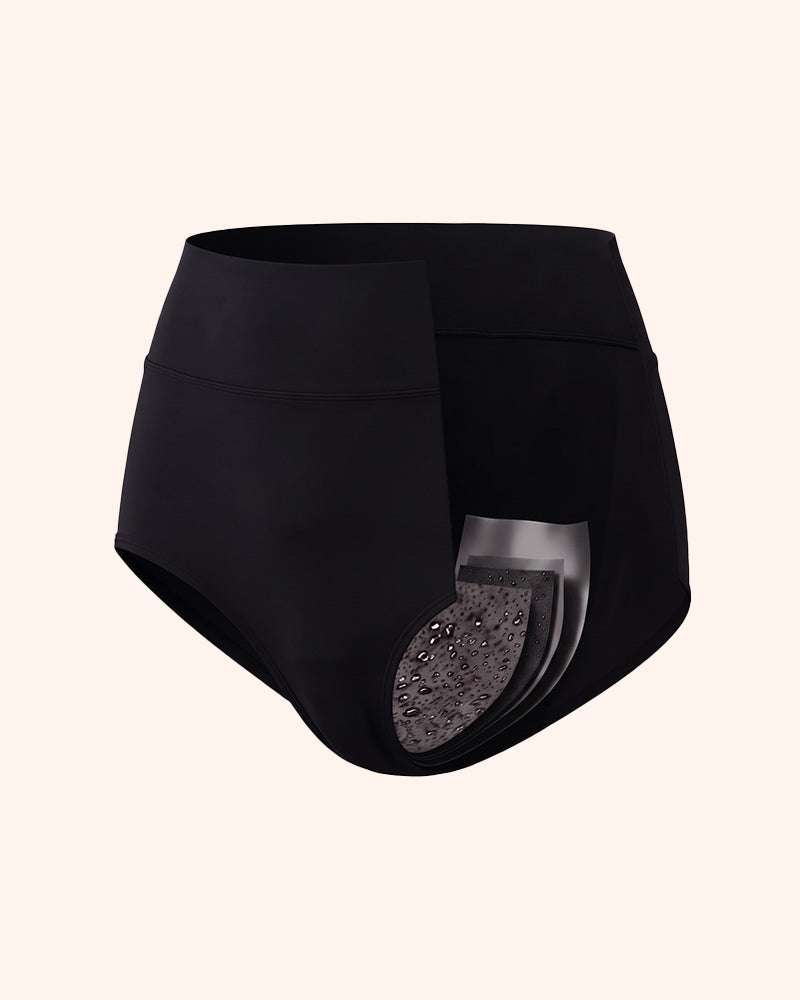
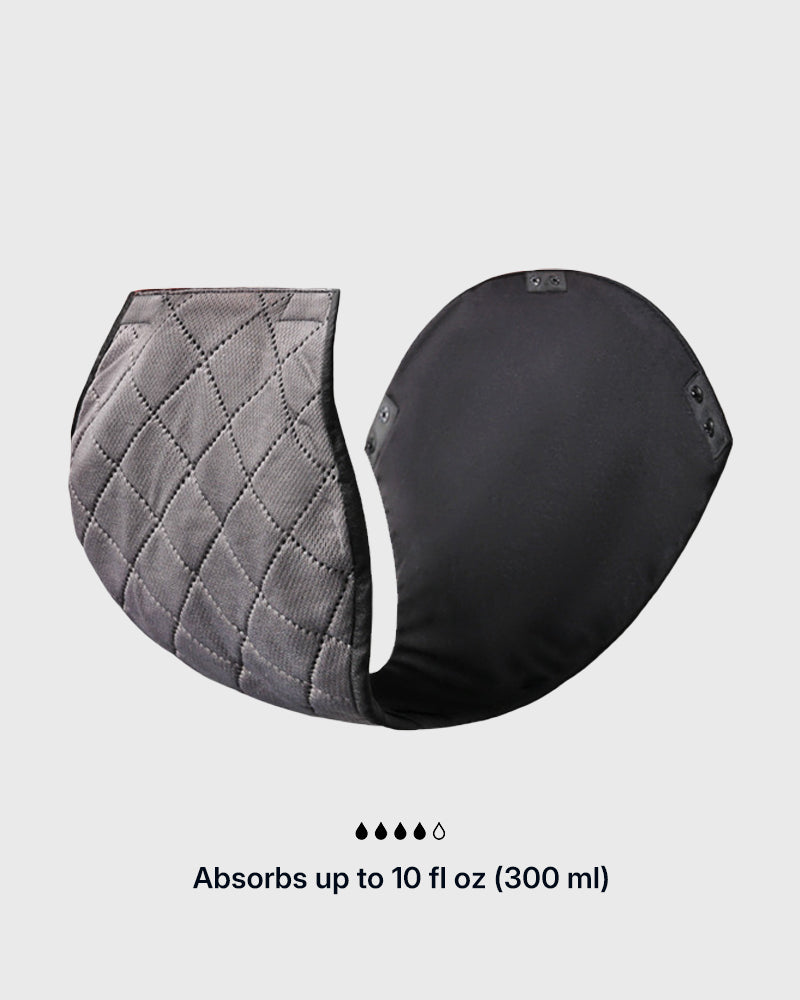
Sometimes, yes. Daytime pairs are built for movement, sitting, walking to the shop. Nighttime is eight hours lying down, and leaks tend to pool differently. If your daytime pair handles the morning school run fine but leaves you damp by dawn, you may need a higher-absorbency pair for bed, or a reusable pad slipped inside for extra cover.
We go into the trade-offs in whether you need different incontinence underwear for day and night. The short version: match the pair to the longest stretch you'll wear it, not to the average day. A men's washable pair or a women's washable pair in a higher absorbency, plus a reusable booster pad if you need it, covers most nights without feeling bulky.
Change into the night pair as part of getting ready for bed, not when you're already half-asleep. That one habit — fresh pair, same time every night — catches a lot of leaks before they start, because you're not trying to stretch a pair that's been on since 7 a.m. through to dawn. Our guide on how often to change incontinence underwear puts numbers on it, but your nose and your skin will tell you first.
What if you still wake up twice a night?
First, don't panic and don't reach for your phone. Bright screens at 2 a.m. make getting back to sleep harder than the bathroom trip did. Keep the hallway light low, walk slowly, and do the same steps in the same order every time. Boring is good here. Your brain learns the loop and stops treating it like an emergency.
If you wake up because you genuinely need to go, go. Trying to hold it until morning trains nothing except anxiety. If you wake up damp, change, put the damp pair in the pouch, and get back into bed. No sheet change unless you need one — that's what the protector is for.
And if you're waking up four or five times, or you're soaked through most nights despite a solid routine, talk to your doctor. Nighttime waking has its own causes — our piece on why you wake up to pee at night lists the ones worth checking — and a routine is support, not a substitute for medical advice.
A routine you can actually stick to
Here's the whole thing on one sticky note, more or less:
- Last big drink with dinner. Small sips after that.
- No caffeine or alcohol late in the evening, if they bother your bladder.
- One unhurried bathroom trip 30 minutes before bed.
- Fresh night pair on. Spare pair in the nightstand drawer.
- Towel and waterproof pouch within reach, not in another room.
- If you wake up: low light, same steps, back to bed. No phone.
That's it. Six lines. You can start tonight with whatever you already own, and add the mattress protector or the spare pair later. In the morning, toss the used pair in a machine-wash laundry bag and run it with your normal load — no soaking bucket, no special ritual. A routine that needs a 20-minute cleanup every morning isn't a routine. It's a chore you'll quit by Thursday.
Frequently asked questions
How can I sleep through the night with incontinence?
Build the night around fewer surprises: taper fluids in the last two hours before bed, take one unhurried last bathroom trip, wear a fresh higher-absorbency pair, and keep a spare pair and a towel by the bed. Most people get fewer wake-ups, and each one takes five minutes instead of forty.
What time should I stop drinking water before bed?
Don't stop outright. Have your last full glass with dinner, then stick to small sips in the evening. Cutting fluids too hard makes urine more concentrated, which can irritate the bladder and actually increase urgency. If you go to bed at 11, aim to finish bigger drinks by about 9.
Should I wear a different pair of incontinence underwear at night?
Often it helps. Night pairs deal with longer wear and lying down, so a higher-absorbency pair — or your usual pair plus a booster pad — usually holds up better than stretching a daytime pair through the night. Change into it when you get ready for bed, not at midnight.
What should I do if I leak in the middle of the night?
Change into the spare pair from your nightstand, pop the damp pair into a waterproof pouch, and get back into bed. Skip the full sheet change unless the protector didn't hold. Keep the lights low and your phone off, so your body stays in sleep mode.
How do I stop waking up to pee all night?
Start with the evening habits above, and check the usual triggers: late caffeine, alcohol, and large evening drinks. If you're still up four or more times a night, or you're regularly soaked despite good protection, bring it up with your doctor — frequent night waking can have causes a routine alone won't fix.

Share:
How Often Should You Change Incontinence Underwear? A Simple Timing Guide
Why Do I Still Feel Like I Need to Pee After I Just Went? Incomplete Emptying Explained