


The short answer: You don't strictly need different incontinence underwear for day and night — many people wear the same pair around the clock with no trouble. But nighttime brings longer wear times, a lying-down position, and deeper sleep, so if you leak more overnight or sleep straight through, a dedicated higher-absorbency pair can be the difference between restful sleep and 3 a.m. laundry. Here's how to decide what's right for you.
It's one of the most common questions people ask when switching to reusable leakproof underwear: the pair that keeps you dry and comfortable all day — will it hold up through the night? The honest answer depends on your body, your leak pattern, and how you sleep. Let's walk through it.

Why Nighttime Is Different for Bladder Leaks
Day and night ask different things of your underwear. During the day, you're upright, moving around, and usually near a bathroom — most people change their pair every few hours or after a known leak. At night, everything changes:
- Wear time doubles or triples. A daytime pair might be worn 2–4 hours between changes; overnight you're asking one pair to work for 6–8 hours straight.
- You're lying down. Gravity no longer pulls fluid to the same spot, so absorbent coverage needs to work in every sleeping position — including on your side.
- You can't change easily. Getting up to change in the dark is disruptive, and many people prefer not to fully wake up.
- Sleep is deeper. You may not notice a small leak the way you would during the day, so overnight protection needs a bigger safety margin.
None of this means your daytime pair is "wrong" at night — it means nighttime is simply a tougher test. Understanding why leaks happen during sleep can also help you address the pattern itself, not just the protection.
Do You Need Different Incontinence Underwear for Day and Night?
Three questions decide it: how much you typically leak, how long you sleep in one stretch, and whether you wake up to use the bathroom. If your leaks are light, you sleep 5–6 hours, and you usually wake once to pee, your regular daytime pair may be perfectly fine overnight. If your leaks are moderate, you sleep 7–8 hours straight, or you rarely wake up, a dedicated nighttime pair with higher absorbency is worth it.
Here's a side-by-side look at what day and night each demand:
| What matters | Daytime | Overnight |
|---|---|---|
| Typical wear time | 2–4 hours between changes | 6–8 hours straight |
| Absorbency needed | Light to moderate is usually enough | Moderate to high gives a safety margin |
| Top priority | Discreet under clothes, breathable | Comfort lying down, leak security |
| Fit | Snug with invisible seams | Comfortable waistband, full coverage for side sleepers |
| Changing | Easy in any restroom | Keep a spare and a waterproof pouch by the bed |
How to Choose Your Daytime Pair
For daytime, the goal is protection you forget you're wearing. Look for light to moderate absorbency that matches your usual leak volume, a cut that sits smoothly under your clothes, and breathable fabric you'll be comfortable in for hours. Most people change their daytime pair every few hours or right after a noticeable leak — knowing the signs it's time to change keeps you comfortable all day.
Reusable options like washable leakproof underwear for women and washable leakproof underwear for men are designed to look and feel like regular underwear, so discretion during the workday or while you're out is rarely an issue — most people can't tell you're wearing them.
How to Choose Your Nighttime Pair
For overnight, prioritize capacity and coverage over invisibility — nobody sees your underwear while you sleep. A good nighttime pair should have:
- Higher absorbency than your daytime pair. If you wear light absorbency by day, step up to moderate or high for the night.
- Full coverage. A higher rise and wider gusset protect you in side-sleeping and shifting positions.
- A comfortable, non-binding waistband. Anything that digs in will bother you more when you're trying to fall asleep.
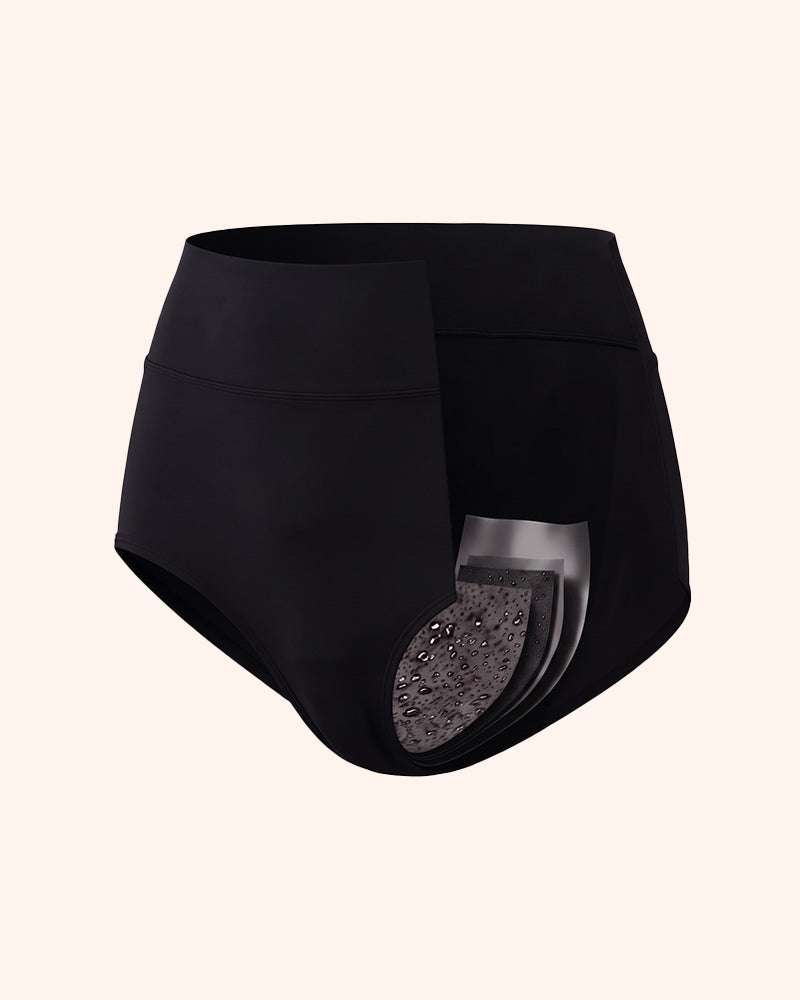
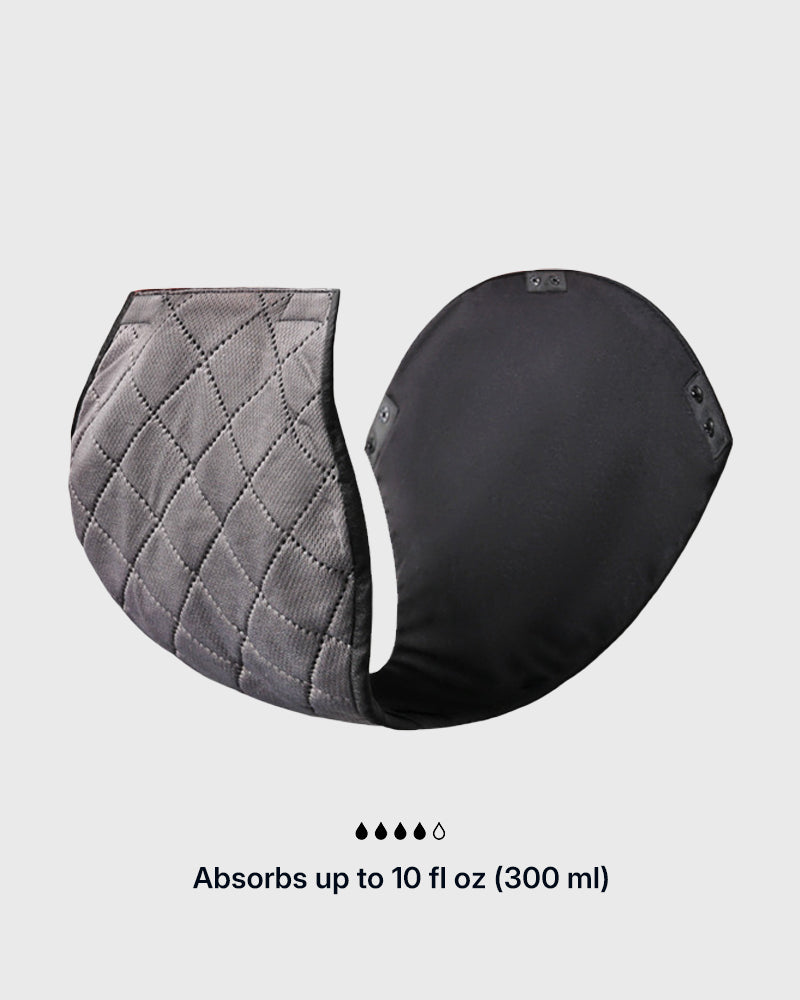
- Room for a booster if you need it. On heavier nights, adding a reusable absorbent pad inside your underwear adds capacity without a bulkier garment. Some styles, like underwear with a removable absorbent pad, are built for exactly this.
Side sleepers in particular benefit from full-coverage cuts — leaks that travel sideways are the most common reason people wake up damp.
One Pair or Two? A Simple Way to Decide
If you're new to reusable leakproof underwear, start with one absorbency level that matches your heaviest typical leak, and wear it day and night for a week. Pay attention to your mornings: do you wake up dry and comfortable? Then one pair is doing the job.
Consider adding a dedicated nighttime pair if any of these sound familiar:
- You wake up damp even though your daytime pair handles the day fine.
- You sleep 7–8 hours without waking to use the bathroom.
- Your leaks are noticeably heavier in the evening or overnight.
- You'd simply sleep better knowing there's extra capacity.
Many people end up with a small rotation — for example, lighter pairs for the day and two or three higher-absorbency pairs reserved for nights. If you're building that rotation, our guide to how many pairs you actually need walks through the math, including wash cycles. A mesh laundry bag keeps your pairs in good shape through repeated washing — see our washing guide for the full routine.
Tips for More Restful Nights With Bladder Leaks
The right underwear is half the equation; a few habits cover the other half:
- Use the bathroom right before bed — even if you don't feel a strong urge. An emptier bladder means less to leak.
- Don't drastically cut evening fluids. It's tempting, but dehydration can irritate the bladder and make urgency worse. Sip normally and stop an hour or two before sleep.
- Keep a spare pair and a waterproof pouch on your nightstand. If you do wake up damp, you can change in under a minute without turning on bright lights.
- Protect the mattress. A washable waterproof mattress protector removes the anxiety that keeps light sleepers awake.
- Track your pattern for a week. Noting when overnight leaks happen — and how much — tells you whether you need more absorbency or a different strategy altogether.
Frequently Asked Questions
Do you really need different incontinence underwear for day and night?
Not necessarily. If your leaks are light and you wake up dry in your daytime pair, there's no reason to buy a separate nighttime style. A dedicated overnight pair becomes worthwhile when you leak more at night, sleep long stretches without waking, or simply want extra peace of mind.
Can you wear daytime incontinence underwear at night?
Yes — as long as the absorbency matches what you actually leak overnight. The risk is that a light-absorbency daytime pair gets overwhelmed during 6–8 hours of unbroken sleep. If you try it, check how you feel in the morning for a few nights before deciding.
What is the best incontinence underwear for overnight leaks?
The best overnight pair is one step up in absorbency from what you wear by day, with full coverage and a comfortable waistband. Side sleepers should look for wider gussets, and anyone with heavier overnight leaks can add a reusable booster pad for extra capacity.
How often should you change incontinence underwear at night?
Ideally, once per night is enough — that's the point of a higher-absorbency overnight pair. If you wake up to use the bathroom, that's a natural moment to change into a fresh pair. Keep a spare and a waterproof pouch by the bed so a middle-of-the-night change takes seconds.
Should you size up in incontinence underwear for nighttime comfort?
Usually not. Sizing up can create gaps at the leg openings where leaks escape. Instead, choose your normal size in a style with a softer, wider waistband. If your current pair leaves deep marks, that's a sign to try a different cut — not necessarily a bigger size. Our sizing guide can help you get the fit right.
Day or night, the goal is the same: protection you don't have to think about. Start with what matches your heaviest leaks, adjust from there, and let your mornings tell you whether your current setup is working.

Share:
Can You Put Incontinence Underwear in the Dryer? What Heat Does to Leakproof Layers
Why Does It Feel Like You're Leaking Urine When You're Not? Understanding Phantom Leaks