


The short answer: Phantom leaks — that unsettling feeling that you're dribbling urine when nothing is actually coming out — usually come from an over-sensitive bladder signal, not a real leak. Your bladder nerves fire a false alarm, and your brain takes it at face value. It's common, it's explainable, and in most cases you can calm the sensation with simple habit changes.

If you've ever excused yourself to check, only to find everything completely dry, you know the drill. The worry sticks around longer than the sensation. This guide explains what phantom leaks are, how to tell the feeling apart from a real dribble, and what actually helps.
What Are Phantom Leaks?
The term "phantom leak" describes the sensation of leaking urine — a warm trickle, a damp feeling, a sudden belief that something escaped — without any actual urine leaving the body. Unlike stress or urge incontinence, where a real (even if small) amount of urine escapes, a phantom leak is purely a sensory false alarm.
Phantom leaks are especially common when you're
- already live with urgency or overactive bladder and have become hyper-aware of bladder signals;
- are in the early weeks of bladder training, when they're monitoring every signal;
- have recently started treatment for incontinence and keep "checking" whether it's working;
- deal with anxiety, especially health anxiety, which turns up the volume on every body sensation.
In short, the more attention you pay to your bladder, the more "noisy" its signals can feel.
Why Does It Feel Like I'm Leaking Urine When I'm Not?
Several overlapping causes can trigger the false alarm, and most phantom leaks involve more than one of them.
1. Bladder nerves become hypersensitive. Repeated urgency trains the bladder's stretch sensors to report "full" or "leaking" long before it matters. This is the same mechanism behind overactive bladder — the plumbing works, but the alarm is set too low. Stress, caffeine, cold weather, and just-in-case peeing all keep the alarm hair-trigger.
2. The brain fills in the gaps. Once you've had real leaks, your brain starts pattern-matching. A shift in posture, a laugh, a jolt in the car — your brain predicts a leak based on past experience, and the prediction itself feels like a leak. Psychologists call this a learned threat response.
3. A tight pelvic floor mimics leakage. A pelvic floor that can't fully relax (common after years of clenching against leaks, or after pelvic surgery) creates a constant feeling of pressure or a dribble sensation at the urethra. It's not urine escaping — it's muscle tension being misread as wetness.
4. Mild irritation or a recent UTI. Infections, dehydration, and bladder irritants like caffeine and alcohol can leave the urethra feeling warm or tingly for days, even after everything is clear. That tingle is easy to mistake for a trickle.
5. Anxiety turns up the gain. Anxiety doesn't just live in your head — it tightens the pelvic floor, speeds up bladder contractions, and makes you notice sensations you'd otherwise ignore. Many people find their phantom leaks are worst in situations where leaking would be most embarrassing, like meetings or commutes. That timing is a clue: it's the worry, not the bladder.
6. Habitual "just-in-case" peeing. If you empty your bladder "just in case" every time you leave the house, your bladder learns that its capacity is smaller than it is. A nearly empty bladder starts sending urgency and leak-like signals after only a few sips of water.
How to Tell a Phantom Leak From a Real Dribble
Here's how they compare:
| Clue | Phantom leak | Real dribble |
|---|---|---|
| The feeling | Vague warmth, tingling, or a sudden "oh no" wave | A brief, distinct wet trickle |
| Your underwear | Dry when you check | Damp spot, even a tiny one |
| The trigger | Anxiety, cold, a sneeze that never came, thinking about it | Coughing, laughing, lifting, standing up |
| What helps instantly | Distraction, slow breathing, checking and moving on | Changing protection |
| Pattern | Comes and goes with stress or attention | Repeats with the same physical triggers |
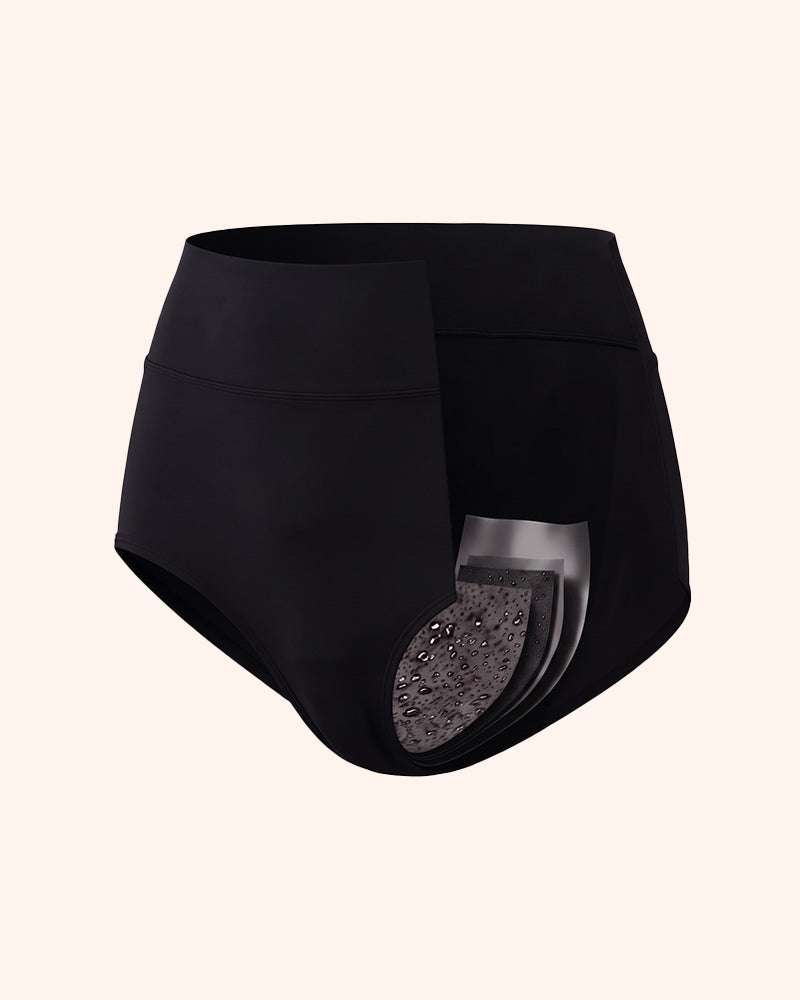
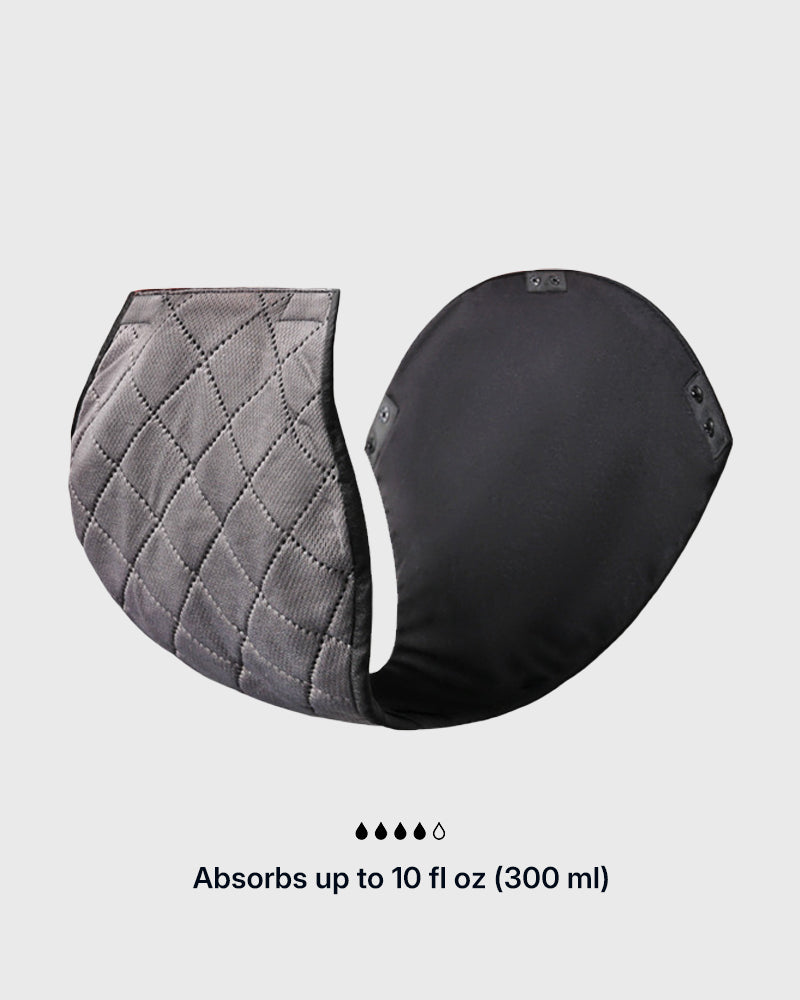
If you check and you're dry, trust the check. One useful trick: wear a light liner or a thin pair of leakproof underwear for a week. The dry evidence, day after day, retrains your brain faster than willpower alone. A washable pair of reusable incontinence underwear works as a quiet safety net while the false alarms fade.
What Actually Helps: Calming the False Alarm
Phantom leaks respond best to a two-pronged approach: calm the bladder's alarm system and calm your response to it.
Practice urge suppression instead of rushing. When the false-leak feeling hits, stop, sit if you can, and do 5 slow breaths. Do 5 quick pelvic floor squeezes (not a long hold — quick pulses tell the bladder to stand down). Most phantom-leak waves peak and pass within a minute or two. Rushing to the toilet "just in case" rewards the false alarm. For the full technique, see our guide on bladder training.
Stretch the intervals gradually. If you've fallen into a just-in-case routine, add 10–15 minutes to your toilet intervals every few days. A bladder that relearns its real capacity stops sounding the alarm at half-full.
Loosen a tight pelvic floor. If you suspect you're clenching all day, diaphragmatic breathing (slow belly breaths, letting the pelvic floor drop on the inhale) can reduce the constant pressure sensation within a week or two. This is one case where more Kegels aren't the answer — a tight muscle needs release, not more reps.
Cut the obvious bladder irritants. Caffeine, alcohol, and dehydration are the usual suspects. You don't have to quit coffee forever — try a one-week experiment with half your normal amount and notice whether the phantom signals quiet down.
Address the anxiety loop. The feeling is most convincing exactly when you're worried about it. Naming it helps: "That's the phantom alarm; I've checked, I'm dry." If checking becomes compulsive — bathroom trips every 20 minutes, pads changed preemptively — that anxiety deserves its own attention. Our article on stress, anxiety, and bladder leaks goes deeper.
Know when it's worth a checkup. See a clinician if the sensation is new and persistent, if you also have burning when you pee, cloudy or strong-smelling urine, pelvic pain, or trouble emptying your bladder. Those point to infection, retention, or nerve issues — conditions that mimic phantom leaks but need real treatment. See our guide on when to see a doctor about bladder leaks.
A Safety Net While You Retrain Your Brain
The hardest part of phantom leaks is the checking — the disrupted meetings, the extra bathroom trips, the bag packed with "just in case" supplies. A discreet backup removes the stakes: once a real leak stops being a disaster, the false alarm loses its power.
Many people in this phase keep one thin, washable pair of leakproof underwear for women or leakproof underwear for men in their routine — not because they leak, but because knowing they're covered lets them stop monitoring. A waterproof carry pouch keeps a spare folded discreetly in a bag, and a machine-wash laundry bag keeps the laundry routine simple.
FAQ
Why does it feel like I'm leaking urine when I'm not?
The most common reason is an over-sensitive bladder alarm. Repeated urgency, anxiety, or a tight pelvic floor makes bladder nerves report "leaking" when nothing is escaping. The brain then experiences that signal as a real leak. Checking and finding yourself dry — repeatedly — is how you confirm it's a false alarm.
Can anxiety make you feel like you're leaking urine?
Yes. Anxiety tightens the pelvic floor, increases bladder contractions, and makes you hyper-aware of sensations in the pelvic area. Phantom leaks are often worst in situations where a leak would be embarrassing, which strongly suggests the worry is driving the sensation.
Why do I feel a warm dribble sensation but nothing comes out?
That warm, trickly feeling can come from urethral irritation (after caffeine, dehydration, or a recent infection), a pelvic floor that won't fully relax, or a learned brain response after real leaks. If the sensation is constant and new, a clinician can rule out infection or retention — but in many cases it's a misread signal, not urine.
Is a phantom leak a sign of overactive bladder?
It can be part of the same picture. Overactive bladder involves the bladder contracting too early and too often, and that hypersensitivity is also what generates false-leak sensations. But a phantom leak alone — with a dry check every time — is a sensory issue, not proof of incontinence. Our guide on urgency and urge incontinence explains the underlying mechanism.
When should I see a doctor about the feeling of leaking?
See a clinician if the sensation is new and doesn't fade within a week or two, or if it comes with burning, pain, cloudy urine, difficulty starting or emptying, or fever. Those symptoms can indicate a urinary tract infection or incomplete bladder emptying, which need treatment — unlike a true phantom leak.

Share:
Do You Need Different Incontinence Underwear for Day and Night? How to Choose
What to Pack in Your Bag for Bladder Leaks? A Discreet Everyday Carry Kit