

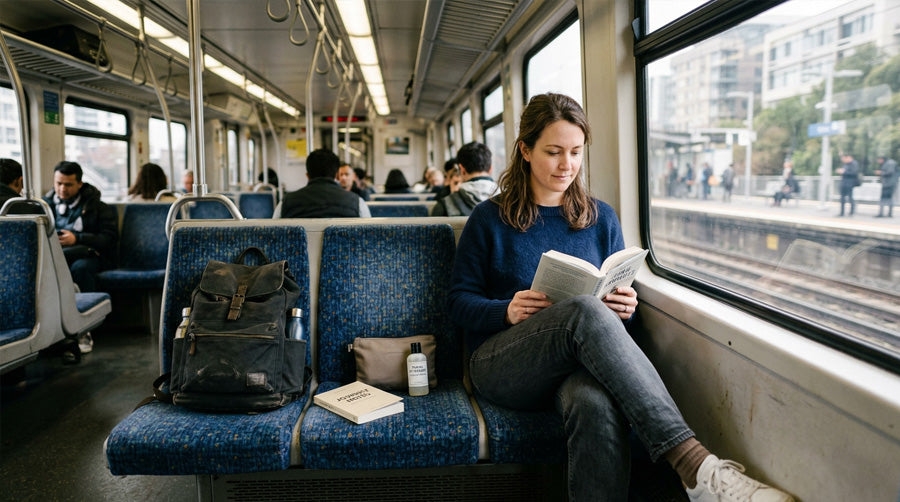
Traveling with urinary incontinence can make an exciting trip feel more complicated than it needs to be. You may worry about finding a bathroom at the airport, sitting through a long flight, getting stuck in traffic, or having a bladder leak somewhere unfamiliar.
But bladder leaks do not have to keep you from traveling. With a little preparation, you can build a travel routine that gives you more flexibility and less anxiety.
This guide explains practical ways to manage urinary leakage and urgency while flying, driving, sightseeing, staying in hotels, or spending a long day away from home.
Why Can Bladder Leaks Feel Worse When You Travel?
Travel can change your normal bladder routine. You may drink differently, sit for long periods, encounter unfamiliar bathrooms, change your sleep schedule, or spend more time worrying about whether you will find a toilet in time.
Some people also notice that caffeine, alcohol, carbonated drinks, or large amounts of fluid can make urgency or leakage more noticeable. These triggers are different for everyone.
Travel itself does not necessarily cause urinary incontinence. Instead, changes in routine can make existing bladder symptoms harder to manage.
Know What Type of Leakage You Experience
Understanding your usual pattern can help you prepare more effectively.
| Pattern | What it may look like |
|---|---|
| Stress leakage | Leaks when coughing, sneezing, lifting, walking quickly, or exercising. |
| Urgency leakage | A sudden strong urge followed by leakage before reaching the toilet. |
| Mixed leakage | Both stress and urgency leakage occur. |
| Nighttime leakage | Urine leaks while sleeping or during the night. |
Knowing your pattern can help you decide what to pack and which situations deserve extra planning.
Before You Travel: Prepare a Simple Bladder Plan
You do not need an elaborate travel strategy. A few simple preparations can make a significant difference.
1. Understand Your Usual Pattern
If your symptoms are unpredictable, consider keeping a bladder diary for two or three days before your trip.
Record when you drink, when you urinate, whether you experience urgency, when leakage occurs, and what you were doing at the time. A bladder diary can help reveal patterns that are otherwise easy to miss.
This information can also be useful when discussing bladder symptoms with a healthcare professional.
2. Plan Bathroom Opportunities
Before leaving home, think about where bathrooms are likely to be available.
- Airport terminals
- Highway rest areas
- Gas stations
- Restaurants and cafés
- Museums and shopping centers
- Hotel lobbies
- Major attractions
You do not need to visit every bathroom you see. The goal is simply to know where your options are if urgency develops.
3. Pack a Small Backup Kit
A compact travel kit can reduce stress if a leak happens unexpectedly.
- One or two spare pairs of underwear
- Absorbent protection if you use it
- Small cleansing wipes
- A resealable bag for used clothing
- Tissues or toilet paper
- Any prescribed medication you normally need
Keeping these items together in your carry-on or day bag means you do not have to search through your luggage when you need them.
Flying With Urinary Incontinence
Air travel can be challenging because you may have limited access to a bathroom, especially during boarding, takeoff, landing, or periods of turbulence.
Choose an Aisle Seat When Possible
An aisle seat can make it easier to reach the bathroom without asking other passengers to move.
If urgency is one of your main symptoms, reducing the physical barrier between your seat and the restroom may provide useful peace of mind.
Know Where the Bathroom Is
Once you board, take a moment to identify the nearest restroom. You do not need to use it immediately unless you need to go. Simply knowing where it is can make the situation feel more manageable.
Do Not Dehydrate Yourself
It may be tempting to stop drinking before or during a flight because you are worried about needing the bathroom.
However, deliberately restricting fluids enough to become dehydrated is not a good bladder-management strategy. The appropriate amount of fluid depends on your health, activity, climate, and other factors.
Instead of drastically cutting fluids, consider paying attention to your personal triggers and avoiding drinks that consistently make your urgency worse.
Consider Absorbent Protection
If you are worried about an unexpected leak, absorbent underwear or another incontinence product can provide an additional layer of protection.
Think of it as a backup rather than a replacement for bladder care or treatment.
Long Car Trips: How to Manage Bladder Leaks on the Road
Road trips create a different challenge: you may be able to stop, but you cannot always stop immediately.
Plan Reasonable Bathroom Stops
Before starting a long drive, identify several potential stopping points along your route.
If you are traveling with other people, you can also build bathroom breaks into the normal itinerary rather than waiting until urgency becomes severe.
Do Not Wait Until It Becomes an Emergency
If you know that urgency can develop quickly, waiting until you are desperate to find a bathroom can make the situation much harder.
A planned stop can be easier than trying to find a restroom while dealing with a strong urge.
Keep Your Backup Kit Within Reach
Do not bury spare underwear or absorbent protection underneath several bags in the trunk. Keep what you may need somewhere accessible.
This is especially useful when traveling through unfamiliar areas where the next convenient stopping point may be farther away than expected.
What If You Suddenly Need a Bathroom?
Sudden urinary urgency can be particularly stressful when you are away from home.
One useful strategy is to avoid immediately rushing toward the bathroom if you are able to pause safely. Bladder-training techniques may include staying still, taking slow relaxing breaths, distracting yourself, and using quick pelvic floor contractions if those exercises are appropriate for you.
These techniques are not guaranteed to stop urgency, but they may give you additional time to reach a bathroom.
If you have been working on bladder training, travel can also be a useful opportunity to apply the strategies you have already learned rather than relying entirely on last-minute bathroom trips.
Traveling With Urinary Incontinence: What About Food and Drinks?
You do not necessarily need to follow a strict diet while traveling.
Instead, pay attention to foods and drinks that repeatedly make your symptoms worse.
- Coffee and other caffeinated drinks
- Alcohol
- Carbonated beverages
- Large amounts of fluid consumed quickly
- Foods or drinks that you personally notice trigger bladder symptoms
Not everyone reacts to the same triggers. A bladder diary can help you identify your individual pattern.
Avoid extreme fluid restriction simply to reduce bathroom trips.
Staying in a Hotel With Bladder Leaks
A hotel can feel unfamiliar on the first night, especially if you wake up with urinary urgency.
When you arrive, identify the bathroom and keep your essentials somewhere easy to reach.
If nighttime leakage is a concern, place spare underwear or absorbent protection near the bed rather than inside your suitcase.
If you regularly experience nighttime urinary leakage, consider discussing the symptom with a healthcare professional rather than assuming it is simply part of getting older.
Spending a Long Day Sightseeing
Travel days often involve hours of walking, standing, shopping, museums, restaurants, and public transportation.
You can make these days easier by building bathroom awareness into your route.
- Check bathroom locations when entering a large attraction.
- Choose clothing that is easy to change if necessary.
- Carry a compact backup kit.
- Take reasonable bathroom breaks.
- Use absorbent protection if it helps you feel more comfortable.
- Continue normal activities instead of automatically avoiding places because of bladder leaks.
Bladder control problems can affect daily activities and cause people to avoid social or physical activities. Practical planning can help reduce the amount of attention you have to give the problem during a trip.
What Should You Wear While Traveling?
Choose clothing based on comfort, access, and your expected activities.
For longer trips, absorbent reusable underwear can be useful when you want protection without relying exclusively on disposable pads or briefs.
A good travel option should feel comfortable during extended sitting and provide enough absorbency for your typical level of leakage.
If you are trying a new product for the first time, consider testing it at home before using it on a long flight or major trip.
What If You Have a Leak While Traveling?
Try to treat it as a practical problem rather than a personal failure.
Find a private bathroom, change if necessary, clean the skin gently, and replace the wet garment or absorbent product.
This is one reason carrying a small backup kit can be so useful. You do not need to predict exactly when a leak will happen. You only need a simple plan for what to do if it does.
When Should You Talk to a Healthcare Professional?
Travel planning can help manage symptoms, but it should not replace medical evaluation when bladder problems are new, persistent, or worsening.
Consider talking with a healthcare professional if you regularly experience urinary leakage, strong urgency, frequent urination, nighttime leakage, difficulty urinating, or symptoms that are interfering with everyday activities.
Seek prompt medical attention if you cannot pass urine or empty your bladder, notice blood in your urine, or have painful urination or other symptoms suggesting a urinary problem.
A Simple Travel Plan for Bladder Leaks
| Before the trip | During the trip |
|---|---|
| Understand your leakage pattern | Know where bathrooms are |
| Plan bathroom opportunities | Use reasonable bathroom breaks |
| Pack spare underwear | Stay aware of personal triggers |
| Pack absorbent protection if needed | Use urge-control techniques when appropriate |
| Test new products at home | Keep backup supplies accessible |
Frequently Asked Questions
Can I travel if I have urinary incontinence?
Yes. Urinary incontinence does not automatically mean you need to avoid travel. Planning bathroom access, carrying backup supplies, and using appropriate absorbent protection can make travel more manageable.
What is the best seat on a plane if I have urinary urgency?
An aisle seat can make bathroom access easier. If urgency is unpredictable, reducing the distance and obstacles between your seat and the restroom may be helpful.
Should I stop drinking water before a flight?
No. Avoiding fluids to the point of dehydration is not recommended. Instead, pay attention to your personal bladder triggers and discuss fluid needs with a healthcare professional if you have a medical condition that affects how much you should drink.
What should I pack for traveling with incontinence?
Consider packing spare underwear, absorbent protection, cleansing wipes, a resealable bag, tissues, and any medications you normally need. Keep essential supplies somewhere accessible.
How can I handle urinary urgency while traveling?
If it is safe to do so, pause rather than immediately rushing. Slow breathing, staying still, distraction, and quick pelvic floor contractions may help suppress urgency for some people. These techniques are commonly included in bladder-training strategies.
Is absorbent underwear useful for travel?
It can provide an additional layer of protection against unexpected leaks. Choose absorbency based on your usual leakage level and test the underwear before relying on it during a major trip.
Can I travel after prostate surgery if I still have urinary leakage?
Travel may be possible during recovery, but the timing depends on your surgery, recovery, symptoms, and healthcare team's advice. If you are recovering from prostate surgery, discuss longer flights, driving, and physical activity with your healthcare team.
Why do I feel like I need to pee more when traveling?
Changes in routine, fluid intake, caffeine or alcohol, stress, unfamiliar bathrooms, and limited bathroom access can make urinary symptoms feel more noticeable. A bladder diary can help identify your individual pattern.
The Bottom Line
Traveling with urinary incontinence requires some planning, but it does not have to define your trip.
Know your usual symptoms, plan reasonable bathroom opportunities, avoid extreme fluid restriction, carry a small backup kit, and consider absorbent protection when you want an extra layer of confidence.
If urinary leakage or urgency is new, persistent, worsening, or interfering with your life, consider talking with a healthcare professional to understand the underlying cause and available treatment options.
With the right preparation, you can spend less time worrying about your bladder and more time enjoying where you are going.
This article is for general educational purposes only and is not a substitute for professional medical advice, diagnosis, or treatment.
Traveling With Urinary Incontinence — FAQ
Can I travel if I have urinary incontinence?
Yes. Planning bathroom access, carrying backup supplies, and using appropriate absorbent protection can make travel more manageable.
What is the best seat on a plane if I have urinary urgency?
An aisle seat can make bathroom access easier, especially when urgency can develop quickly.
Should I stop drinking water before a flight?
No. Avoiding fluids to the point of dehydration is not recommended. Instead, pay attention to your personal bladder triggers and maintain appropriate hydration.
What should I pack for traveling with incontinence?
Consider spare underwear, absorbent protection, cleansing wipes, a resealable bag, tissues, and any medications you normally need.
How can I manage urinary urgency while traveling?
If it is safe to do so, pause rather than immediately rushing. Slow breathing, staying still, distraction, and quick pelvic floor contractions may help suppress urgency for some people.
Is absorbent underwear useful for travel?
Absorbent underwear can provide an additional layer of protection against unexpected leaks. Choose absorbency based on your usual leakage level and test the product before a major trip.
Can I travel after prostate surgery if I still have urinary leakage?
Travel may be possible during recovery, but the timing depends on your surgery, recovery, symptoms, and healthcare team's advice. Discuss longer flights, driving, and physical activity with your healthcare team.
Why do I feel like I need to pee more when traveling?
Changes in routine, fluid intake, caffeine or alcohol, stress, unfamiliar bathrooms, and limited bathroom access can make urinary symptoms more noticeable.
Related Reading
- Bladder Leaks in Public: How to Feel More Prepared and Less Anxious
- How Often Should You Pee? What’s Normal and When to Pay Attention
- How to Choose the Right Absorbency for Bladder Leaks? A Practical Guide to Reusable Leakproof Underwear
Looking for discreet, reusable protection? Explore Rooces women's and men's washable incontinence underwear designed for everyday confidence. For trips, a waterproof carry pouch keeps spares discreet.



Share:
Bladder Training: How to Reduce Urgency and Frequent Bathroom Trips
Bladder Leaks at Work: How to Stay Comfortable and Confident During the Workday