


The short answer: Walking leaks happen because every step sends a small jolt up through your pelvic floor, and after a few hundred steps those jolts add up. If the muscles are tired, weak, or caught off guard — by a downhill stretch, a full bladder, or a brisk pace — a few drops slip out. It's common, it's not a sign you're doing something wrong, and a few small changes usually make your next walk a lot drier.
Picture this: you set off at 7:15 a.m. for your usual loop around the park. The first ten minutes feel fine. Then, somewhere past the third bench, you feel it — a small, warm dampness you weren't expecting. You weren't running. You didn't sneeze. You were just walking. If you've ever asked yourself, "why do I leak urine when I walk?" — you're not alone, and your bladder isn't broken. Walking is gentle, but it isn't impact-free.
Why do I leak urine when I walk?
Think of your pelvic floor as a small trampoline holding up your bladder. Every heel strike sends a little bounce up through it. One step is nothing. But a 20-minute walk is roughly 2,000 steps, and that's 2,000 tiny bounces for those muscles to absorb.
Most of the time they manage fine. Leaks show up when the load tips past what the muscles can handle that day:
- Tired muscles. The first half of your walk feels dry; the second half doesn't. That's fatigue, not failure.
- A full bladder. A bladder that's already three-quarters full has less room to absorb each bounce. The same walk can feel very different at 4 p.m. if you haven't emptied it.
- Downhill stretches. Walking downhill hits harder than flat ground — your body brakes with each step, and the impact goes straight up. Plenty of people leak only on the downhill half, never on the way up.
- A brisk pace or uneven ground. Speeding up to catch a green light, or stepping off a curb you didn't see, adds a sudden jolt — so does a cobbled street or gravel path.
- Weakened support after life changes. Childbirth, menopause, prostate surgery, or simply getting older can leave the pelvic floor with less spare capacity. Walking didn't cause the weakness — it just reveals it.
Here's the part that surprises people: leaking while walking doesn't mean your pelvic floor is "broken." It means the load that day was a bit more than the muscles could carry. Some days you'll be fine. Other days — after a bad night's sleep, a big glass of water, or a cold that has you coughing — the same route feels harder. That on-and-off pattern is normal, and it's also why bladder leaks can seem to come and go for no obvious reason.

Downhill, distance, and a full bladder: the three things that make walking leaks worse
If you want to spot your own pattern, watch these three.
Downhill. Gravity is doing extra work on the way down. Shorten your stride, slow down a touch, and give a gentle pelvic floor squeeze as you start the slope.
Distance. You might feel fine for 15 minutes and damp by minute 25. Try a loop with a bench at the halfway point, or split one long walk into two shorter ones with a rest and a bathroom stop in between.
A full bladder. Empty your bladder right before you leave the house, and don't "tank up" with a huge glass of water ten minutes before a walk. Sip normally, go before you go out, and you'll start each walk with the most room to spare.
Walking vs. running: why a slow pace can still leak
People often assume that if running makes them leak, walking should be safe. Not quite. The impact per step is lower, but the step count is far higher — and fatigue, not force, is often what tips you over.
| Activity | Impact per step | Steps in 30 minutes | Why leaks happen |
|---|---|---|---|
| Walking | Low | About 3,000 | Muscle fatigue builds up over distance |
| Running | High | About 5,000 | Hard landings plus fatigue |
| Jumping | Highest | — | Sudden pressure spikes the bladder can't hold against |
Sitting asks almost nothing of your pelvic floor. Walking asks a little, thousands of times — and it's also why bladder leaks during exercise follow the same logic, just turned up louder.
What actually helps on your next walk
You don't need to stop walking. You need a small routine that takes the load off before the leaks start.
Go before you go. Empty your bladder right before you leave. It sounds obvious, and it buys you the most dry time of any single trick here.
Squeeze before the slope. As you reach a downhill stretch, a curb, or a flight of steps, give your pelvic floor a gentle lift-and-hold for a few seconds — a quick squeeze right before the pressure hits, not after, as our guide to pelvic floor exercises for bladder leaks explains.
Pick your route like you mean it. A flat loop with a public bathroom halfway beats a hilly route with none. Knowing there's a toilet at the park café takes the worry out of the walk — and less worry means less urgency.
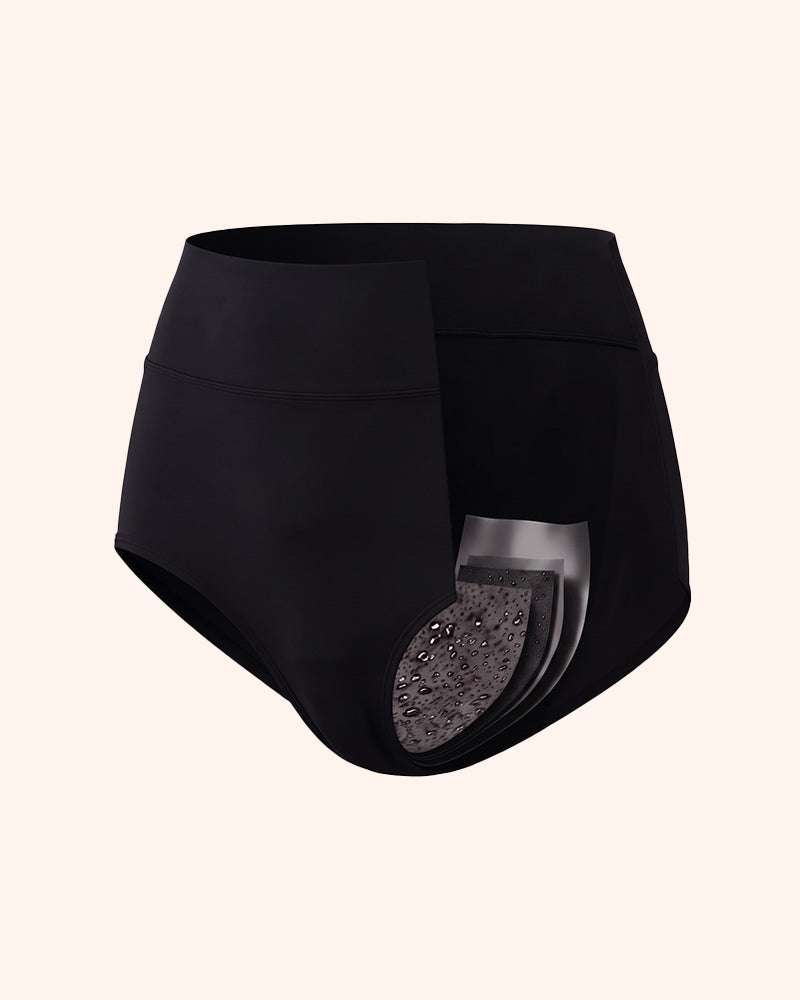
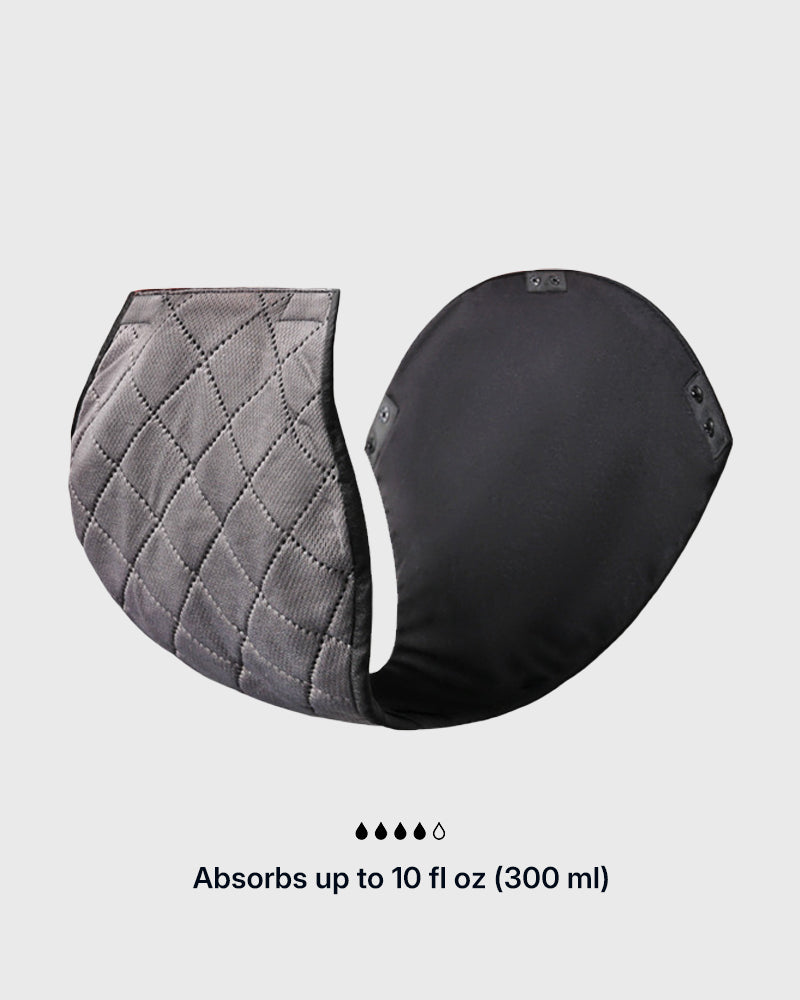
Wear backup that doesn't slow you down. Washable leakproof underwear handles a few drops without any rustling, bulging, or extra layers. If you're out for a long walk, a spare pair folded into a waterproof carry pouch weighs almost nothing and turns a leak from a walk-ruiner into a two-minute swap behind a bathroom door. Our women's leakproof underwear and men's leakproof underwear are both cut to look and feel like regular underwear, so nobody — including you, halfway through a walk — notices they're there.
Build the muscle, gently. A few squeezes while you're waiting for the kettle to boil, or while you're stopped at a red light, add up over weeks. And if urgency keeps cutting your walks short, bladder training can stretch the gap between bathroom trips so a longer route feels doable again.
When walking leaks are worth a doctor's visit
Most walking leaks are a muscle-and-pressure story, and the steps above handle them. A few patterns are worth a conversation with your doctor, though:
- Leaks that started suddenly, or got much worse over a few weeks
- Pain, burning, or blood in your urine
- Trouble starting to pee, or feeling like your bladder never fully empties
- Leaks paired with new numbness, weakness, or back pain
- Walking leaks that keep you from leaving the house at all
That last one matters more than people admit. If you've quietly dropped your morning walk because of leaks, that's reason enough to book the appointment. A doctor can check for things like a urinary infection, and a pelvic floor therapist can build a plan around your actual walking routine. If you're unsure how to start that conversation, our guide to talking to your doctor about incontinence has a few openers that make it easier.
Frequently asked questions
Why do I leak urine when I walk but not when I sit?
Sitting barely loads your pelvic floor, while walking loads it with every step — around 2,000 small impacts in a 20-minute walk. If the muscles are a bit weak or tired, sitting stays dry and walking doesn't.
Why do I leak urine when I walk downhill?
Downhill walking hits harder because your body brakes with each step, sending more impact up through the pelvic floor. Shorten your stride, slow down slightly, and squeeze gently as you start the slope — most people find downhill is the only part of the route that leaks.
Does walking make bladder leaks worse over time?
No — walking itself doesn't weaken your pelvic floor. If anything, regular walking keeps the surrounding muscles strong and your weight steadier, both of which help. If leaks are getting worse, it's usually fatigue, a fuller bladder, or a change in the pelvic floor — not the miles.
Can leakproof underwear help with walking leaks?
Yes, for light leaks it's one of the simplest fixes. A washable pair absorbs a few drops without bunching or rustling, and a spare folded into a small pouch covers longer walks. Look for a snug, comfortable fit — a loose waistband or leg opening lets moisture escape, whatever the absorbency rating says.
Should I stop walking if I leak?
Please don't. Walking is one of the best things you can do for your bladder and your mood. Empty your bladder before you leave, plan a route with a bathroom stop, and wear backup you're confident in. If leaks are keeping you home, that's the moment to talk to a doctor — not to give up the walk.
Tomorrow morning, try one thing: go before you go, and see how far you get. Then try the downhill squeeze the day after. Small changes, one at a time — that's how a walk that used to end damp starts ending dry.

Share:
Why Does Running Water Make You Need to Pee? Bladder Triggers Explained
How Do Bladder Leaks Affect Your Mental Health? The Hidden Toll — and What Actually Helps