


The short answer: If you already own period underwear, you may wonder: can I use period underwear for bladder leaks? For the occasional tiny dribble, period underwear can work in a pinch — but it was engineered for menstrual flow, not urine. Incontinence underwear absorbs faster, holds more, and controls odor far better. For regular leaks, even light ones, dedicated incontinence underwear is the more comfortable and reliable choice. Here is exactly how the two compare, and when each one makes sense.

What Period Underwear Is Made For
Period underwear looks like ordinary underwear but hides a built-in absorbent gusset. That gusset is designed around one job: catching menstrual flow. Menstrual fluid is thicker, flows more slowly, and arrives in a steady trickle over hours or days. Most period underwear is rated in "tampon equivalents" — commonly one to four tampons' worth, roughly 5 to 20 milliliters of fluid held in the gusset area.
The layers inside period underwear typically focus on wicking moisture away from the skin and locking it into an absorbent core. Many styles concentrate that core in the center of the gusset, because that is where menstrual flow lands. They are a clever, sustainable alternative to disposable pads and tampons, and millions of people use them happily every month for exactly that purpose.
What Incontinence Underwear Is Made For
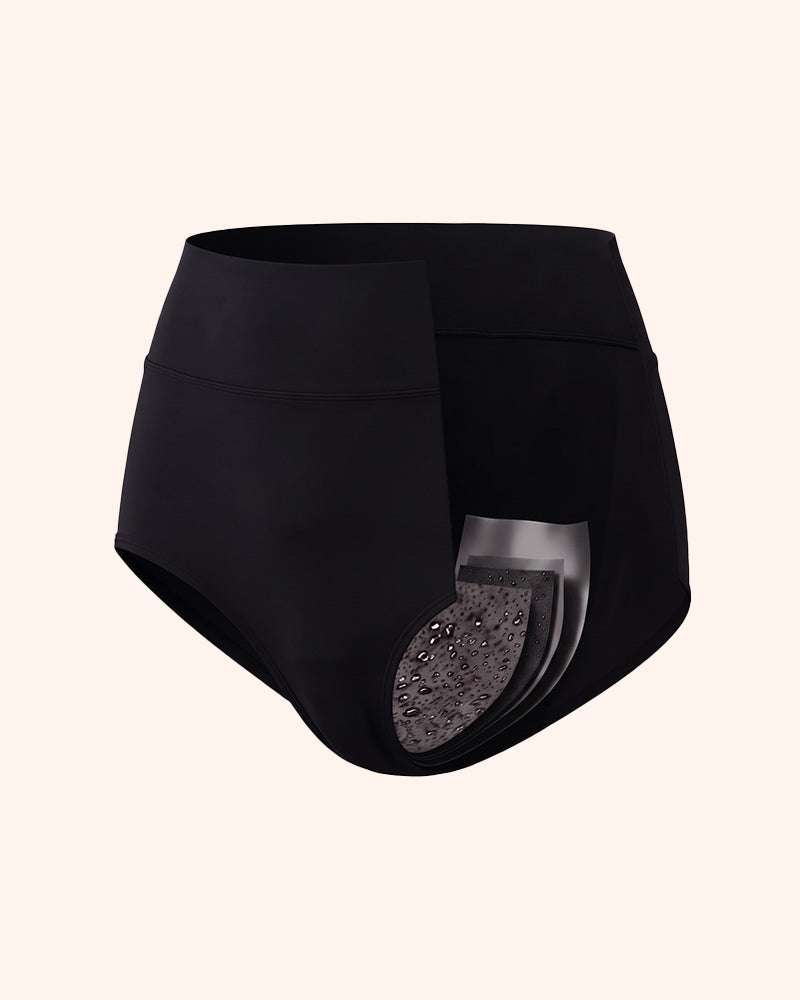
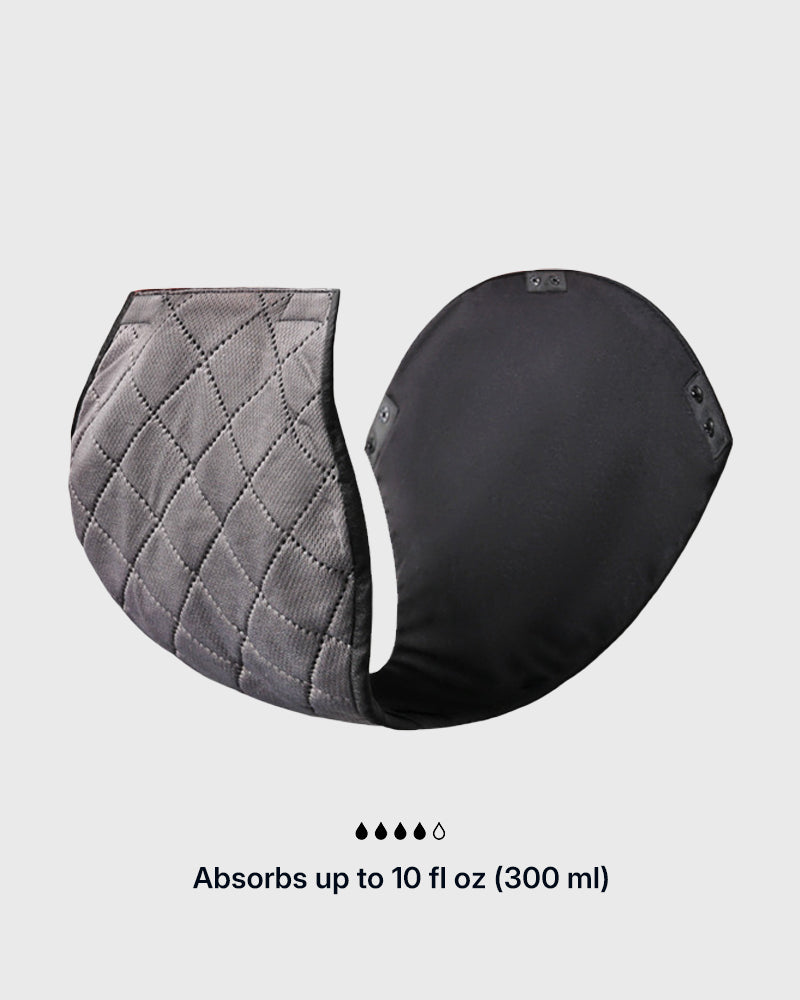
Incontinence underwear is engineered for a very different fluid. Urine arrives suddenly — a cough, a sneeze, a laugh, a brisk walk — and it arrives fast. A stress-leak episode can release 10 to 50 milliliters in seconds, and the absorbent system has to capture it immediately before it spreads. That is why quality incontinence underwear uses a rapid-acquisition top layer that pulls liquid in quickly, a high-capacity core that locks it away, and a waterproof barrier that stops it reaching your clothes.
Urine also brings something menstrual fluid does not: a strong ammonia odor as it breaks down. Dedicated incontinence underwear is built with odor-neutralizing treatments and a fully sealed waterproof layer, so you stay fresh and dry between changes. The absorbent zone is also shaped differently — wider at the front and extending further back — because leaks do not always land in the center of the gusset.
Period Underwear vs. Incontinence Underwear: Key Differences
| Feature | Period Underwear | Incontinence Underwear |
|---|---|---|
| Designed for | Menstrual flow (slow, steady trickle) | Urine leaks (sudden, fast gushes) |
| Typical capacity | About 5–20 ml (1–4 tampons' worth) | About 30–100+ ml depending on absorbency level |
| Absorption speed | Gradual wicking | Rapid acquisition for sudden leaks |
| Odor control | Minimal — menstrual fluid has little odor | Built-in odor neutralization for urine |
| Waterproof barrier | Often partial (gusset only) | Full leakproof barrier across the absorbent zone |
| Absorbent zone shape | Narrow, centered in the gusset | Wider, extending front to back |
| Washing routine | Rinse, then machine wash cold | Rinse, then machine wash (a laundry bag helps protect layers) |
| Best for | Periods, spotting, light discharge | Daily bladder leaks, from light dribbles to moderate gushes |
Can I Use Period Underwear for Bladder Leaks?
Here is the honest answer to "can I use period underwear for bladder leaks": yes, temporarily, for very light leaks — but with real trade-offs. If your leaks are an occasional tiny dribble when you sneeze hard, a pair of high-absorbency period underwear will catch it. Many people discover this by accident and assume the two products are interchangeable. They are not.
The problems show up quickly with regular use. First, capacity: a moderate leak can overwhelm period underwear in one go, leaving you damp and worried about your clothes. Second, speed: urine that is not absorbed instantly can pool and leak out the sides before the gusset catches up. Third, odor: urine left sitting in a pad designed for menstrual fluid starts to smell noticeably within an hour or two, because there is no odor-neutralizing layer. Fourth, hygiene: urine is more irritating to skin than menstrual fluid when it lingers, so sitting in a damp pair all day raises the risk of discomfort and irritation.
Think of it this way: period underwear is a raincoat in a drizzle, while incontinence underwear is a raincoat in a downpour. One exceptionally rainy afternoon will show you the difference.
When Incontinence Underwear Is the Better Choice
Reach for dedicated incontinence underwear — not period underwear — if any of these sound familiar:
- You leak more than a few drops at a time, or you leak most days of the week.
- You need protection you can trust for a full workday, a long outing, or overnight.
- Odor worries you — at the office, on public transport, or around other people.
- You want to wash and reuse the same pairs for months without the absorbent layers wearing out from the wrong kind of fluid.
Modern reusable incontinence underwear looks and feels like regular underwear — no crinkle, no bulk, no diaper-like appearance. Styles like the women's Stay Discreet washable incontinence underwear are cut like everyday high-waist briefs, so nobody can tell you are wearing anything special. If you are deciding between product types, our guide on incontinence pads vs. leakproof underwear walks through the broader options too.
Making the Switch: What to Know
Switching from period underwear to incontinence underwear is easy, because the care routine is nearly identical: rinse after wearing, then machine wash cold and hang or tumble dry low. A mesh laundry bag protects the waterproof layers in the wash and keeps pairs from tangling — a small habit that noticeably extends their lifespan. If you are wondering how many to buy, most people rotate 5 to 7 pairs; see our guide on how many pairs of incontinence underwear you need.
One more practical note: keep your period underwear for your period. Using each product for what it was designed for means both last longer and perform better — and you will never be caught guessing which pair is which on a busy morning.
Frequently Asked Questions
What's the difference between period underwear and incontinence underwear?
The core difference is what they are engineered to absorb. Period underwear handles slow, steady menstrual flow (about 5–20 ml) with gradual wicking. Incontinence underwear handles sudden urine gushes (30–100+ ml) with rapid-absorption layers, a full waterproof barrier, and odor control. They look similar, but the insides work very differently.
Can I use period underwear for bladder leaks every day?
Not as well as dedicated incontinence underwear. Urine flows much faster than menstrual fluid, so period underwear often cannot absorb it quickly enough to prevent side leaks. It also lacks odor neutralization, so urine odor becomes noticeable sooner. For the occasional tiny dribble it can work in a pinch, but it is not a reliable daily solution for bladder leaks.
Is period underwear the same as incontinence underwear?
No. Although both are washable, leakproof-style underwear, they differ in absorbent capacity, absorption speed, odor control, the shape of the absorbent zone, and the waterproofing. Using one for the other's job leads to leaks, odor, and faster wear.
Can I use period underwear for bladder leaks while I wait for incontinence underwear to arrive?
Yes — as a short-term backup, high-absorbency period underwear is better than nothing for very light leaks. Change as soon as you can after a leak, rinse promptly, and do not rely on it for heavier days. Order proper incontinence underwear for everyday use; your comfort will improve immediately.
Which is better for postpartum leaks, period underwear or incontinence underwear?
For postpartum bladder leaks, incontinence underwear is the better pick: it absorbs sudden gushes faster, controls odor, and protects clothing during a phase when leaks are frequent. Many new mothers keep period underwear on hand for lochia and spotting, and use incontinence underwear for the bladder leaks — each product doing the job it was built for. Our guide to wearing incontinence underwear during your period covers how the two needs overlap.
Related Reading
- How to Wash and Care for Reusable Bladder Leak Underwear
- Do Reusable Incontinence Underwear Smell? How to Keep Them Fresh and Odor-Free
- How Long Do Reusable Incontinence Underwear Last? Signs It's Time to Replace Them
Bladder leaks deserve a product built for them. If you are ready to stop improvising with period underwear, browse the women's washable incontinence underwear collection — discreet, comfortable, and made to handle real life.

Share:
Does Insurance Cover Incontinence Underwear? FSA, HSA, and Ways to Save
Can You Put Incontinence Underwear in the Dryer? What Heat Does to Leakproof Layers