


The short answer: for most new moms, postpartum bladder leaks ease up a lot in the first 6 to 12 weeks, and keep improving for months after that. So how long do postpartum bladder leaks last? There's no single date. Some people are dry again by their 6-week checkup. Others still leak when they sneeze at 6 months. Both can be normal.

If you're reading this at 3 a.m., baby asleep on your chest, wondering whether this is just your life now — it's probably not. Your body did a huge job. It needs time to put itself back together. The leaks are a symptom of muscles and tissues that are still healing, not a verdict.
How long do postpartum bladder leaks last?
Here's the honest shape of it. Recovery isn't a straight line. It's more like good weeks and annoying weeks, with the overall direction pointing toward better.
| Stage | What leaks often feel like | What's going on |
|---|---|---|
| First days and weeks | Leaks with coughs, sneezes, laughs, or standing up too fast | Swelling, soreness, and a pelvic floor that's just been stretched hard |
| 2 to 6 weeks | Leaks get smaller and less frequent for many people | Swelling settles and muscles start waking back up |
| 6 weeks to 3 months | Big improvement for most; sneezing still catches some people out | Strength returns gradually, especially with regular pelvic floor work |
| 3 to 6 months | Occasional leaks, often only with high-impact moves | Muscles keep rebuilding; sleep and hormones still play a part |
| 6 to 12 months | Most people are much better; a smaller group still leaks regularly | By now, lingering leaks deserve a proper check, not just patience |
Notice the spread. A friend who was back to running at 10 weeks and a friend who still crossed her legs to sneeze at 8 months can both be telling the truth. Birth details matter. So does how much sleep you're getting, whether you're constipated, and whether you've had a chance to rebuild strength or just been surviving on coffee and 4-hour nights.
Why does recovery take so long for some people?
Pregnancy alone stretches and loads the pelvic floor for 9 months. Then birth adds its own strain. A long pushing stage, a big baby, tearing, or an assisted delivery can all mean more tissue to heal. That's not a failure on your part. It's physics.
Then there's everything after. You're lifting a baby 20 times a day. You're up at night. You're maybe breastfeeding, which keeps estrogen low, and low estrogen can leave vaginal and urethral tissues thinner and less springy for a while. Add constipation — common when you're dehydrated, iron-supplemented, or afraid to push — and every trip to the bathroom puts extra pressure on the same muscles.
One more thing people don't say enough: you can't rehab a muscle you never rest. If you're back to carrying a toddler on one hip and a car seat in the other hand by week 3, your pelvic floor is doing a full shift before it's ready. Give it a break where you can. Sit to fold laundry. Ask someone else to haul the stroller up the stairs. Small choices add up.
What actually helps you recover faster?
Nothing here is magic. It's boring, repeatable stuff — which is exactly why it works.
First, pelvic floor exercises, done right. That means a proper squeeze and lift, then a full release. Not 100 rushed squeezes while scrolling your phone. If you're not sure you're doing them right — lots of people aren't — a pelvic floor physiotherapist can check in one session. Our beginner's guide to pelvic floor exercises for bladder control walks through the basics, and there's a separate piece on whether Kegels help or can make things worse, because the answer varies with your muscles.
Second, stop straining on the toilet. Feet on a small stool, lean forward, breathe out. Don't sit there for 15 minutes scrolling. And drink enough water — cutting back on fluids doesn't fix leaks, it just gives you concentrated urine that irritates your bladder more.
Third, treat the cough and the constipation. A cold that has you hacking for two weeks will set anyone's pelvic floor back. So will straining every morning. Fix the trigger and the leaks often calm down with it.
Fourth, move, but build up. Walking counts. So does gentle core work once you've been cleared. Jumping straight back into running or heavy lifting at 5 weeks is the classic way to discover your pelvic floor wasn't ready yet. Start low. Add impact slowly. Pay attention to what happens the next day, not just during the workout.
What if you're still leaking at 6 months?
Don't panic, but don't just wait another year either. Leaks that are still regular at 6 months — most days, or every time you run or sneeze — are worth a conversation with your doctor or a pelvic floor physiotherapist. They can check whether your muscles are weak, too tight, or not coordinating well. Each of those needs a different fix, and guessing wrong wastes months.
Read our guide on when to see a doctor about bladder leaks if you're unsure where the line is. Pain, trouble emptying your bladder, a heavy dragging feeling, or leaks that are getting worse instead of better all move the appointment sooner.
And if you've already read the background on why postpartum bladder leaks happen, you'll know the mechanics. This timeline is the other half: what to expect while those mechanics heal.
Living with leaks while you recover
Recovery takes months. You still have to leave the house. So set yourself up.
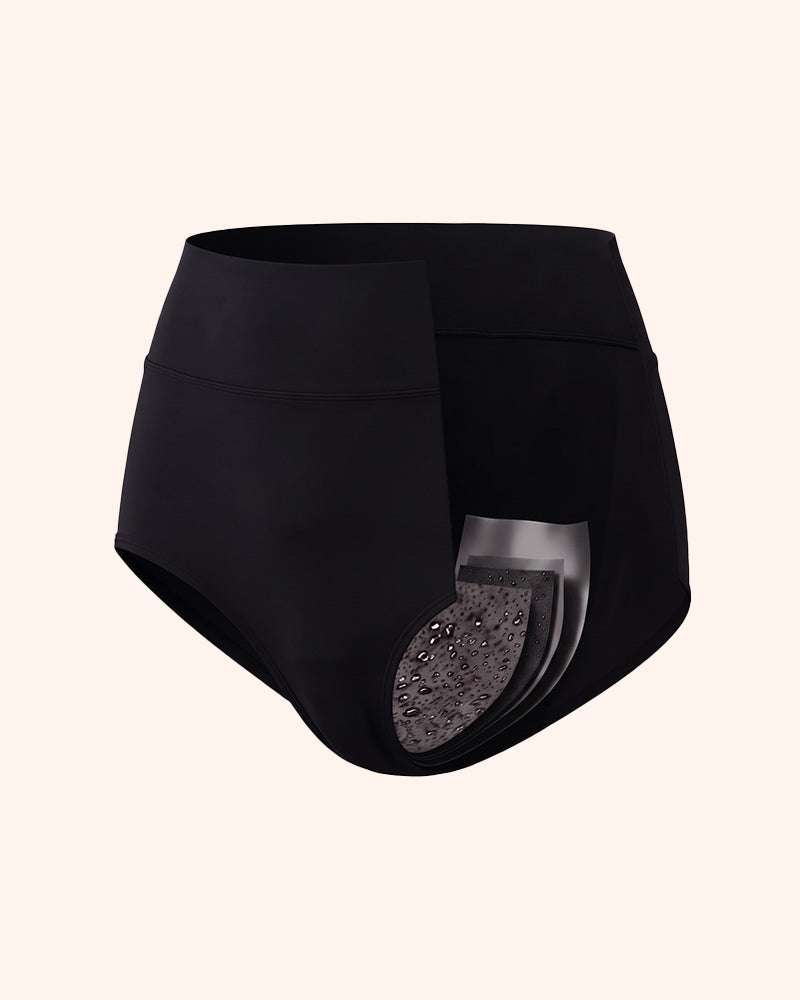
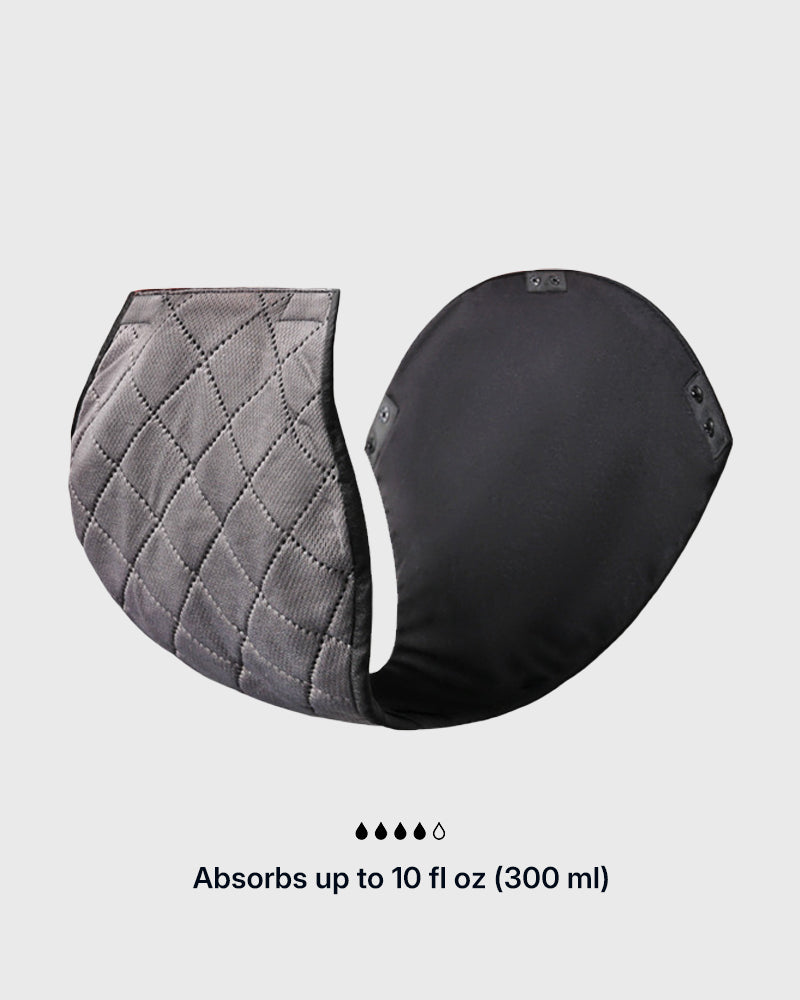
Keep a couple of pairs of washable leakproof underwear in rotation so you're never caught out by the third load of laundry this week. Rooces women's Stay Discreet underwear looks and feels like regular high-waisted underwear, which matters when you're already dealing with a body that feels unfamiliar. Toss used pairs in a machine-wash laundry bag so they don't sit loose in the hamper, and keep a spare pair in a waterproof carry pouch in the diaper bag. You've already got a diaper bag full of someone else's supplies. One small pouch for you is not a lot to ask.
For washing, our guide on how to wash reusable bladder leak underwear keeps it simple: cold or warm wash, no fabric softener, skip the dryer when you can.
Frequently asked questions
How long do postpartum bladder leaks last after a vaginal birth?
Most people see real improvement by 6 to 12 weeks, with gradual gains for up to a year. Vaginal birth can mean more initial stretching, but it doesn't doom you to leaks forever. The 6-month mark is a good checkpoint: better but not perfect is common, unchanged is worth checking.
Do postpartum bladder leaks go away after a C-section?
Often, yes, but a C-section doesn't skip the issue entirely. Pregnancy itself loads the pelvic floor for months, so some people leak after a C-section too. Recovery timelines look similar, though the early weeks feel different because you're healing from surgery at the same time.
Is it normal to still leak at 6 months postpartum?
Yes, it's common — and it's also the point where getting checked makes sense. A physiotherapist can tell you whether your muscles need strengthening, relaxing, or retraining. "Normal" doesn't have to mean "just live with it."
Can Kegels make postpartum leaks go away faster?
They can help, if your pelvic floor is weak and you're doing them correctly with full releases. They can backfire if your muscles are already too tight, because squeezing harder on a muscle that can't relax just adds tension. If Kegels seem to make things worse, stop guessing and get assessed.
When should I see a doctor about postpartum leaks?
Book an appointment if leaks are still regular at 6 months, getting worse, or come with pain, trouble peeing, or a feeling of heaviness or pressure down below. Don't wait for your next annual checkup if something feels off now.
So: how long do postpartum bladder leaks last? Weeks for some, months for most, longer for a few — and "longer" is a reason to get help, not a reason to feel embarrassed. Your body carried a whole person. Give it the same patience you'd give a friend, and the same follow-up you'd insist she get.

Share:
Can Holding Your Pee Cause Bladder Leaks? What Happens When You Wait Too Long
Should I See a Urologist or Urogynecologist for Bladder Leaks? Who to Book First