


The short answer
Yes. People camp with urinary incontinence all the time — they just plan for three things: enough underwear, a system for the used pairs, and a nighttime bathroom strategy. Get those right and the trip feels almost normal.
Here's what nobody tells you at the outdoor store: camping is one of the more forgiving settings for bladder leaks. No office dress code. Nobody notices the bathhouse trip. Half the campsite is up at 2 a.m. anyway.
How to go camping with urinary incontinence: start with the packing list
Pack for the trip you actually have, not the fantasy version where your bladder behaves. Here's the kit that works:
- One pair of washable leakproof underwear per day, plus two spare. For a three-night trip, that's five pairs. Reusable pairs dry fast, but weather happens.
- A waterproof zip pouch. This is your mobile changing room. A used pair goes in, zip closes, nobody smells anything.
- A mesh laundry bag. Keeps dirty pairs separate from clean ones inside your duffel. When you get home, the whole bag goes straight into the washer.
- Pack of unscented wipes and a small bottle of hand sanitizer. You'll use these more than you think.
- A headlamp. You'll need it for the 2 a.m. walk.
- A wide-mouth bottle with a lid. More on this below.
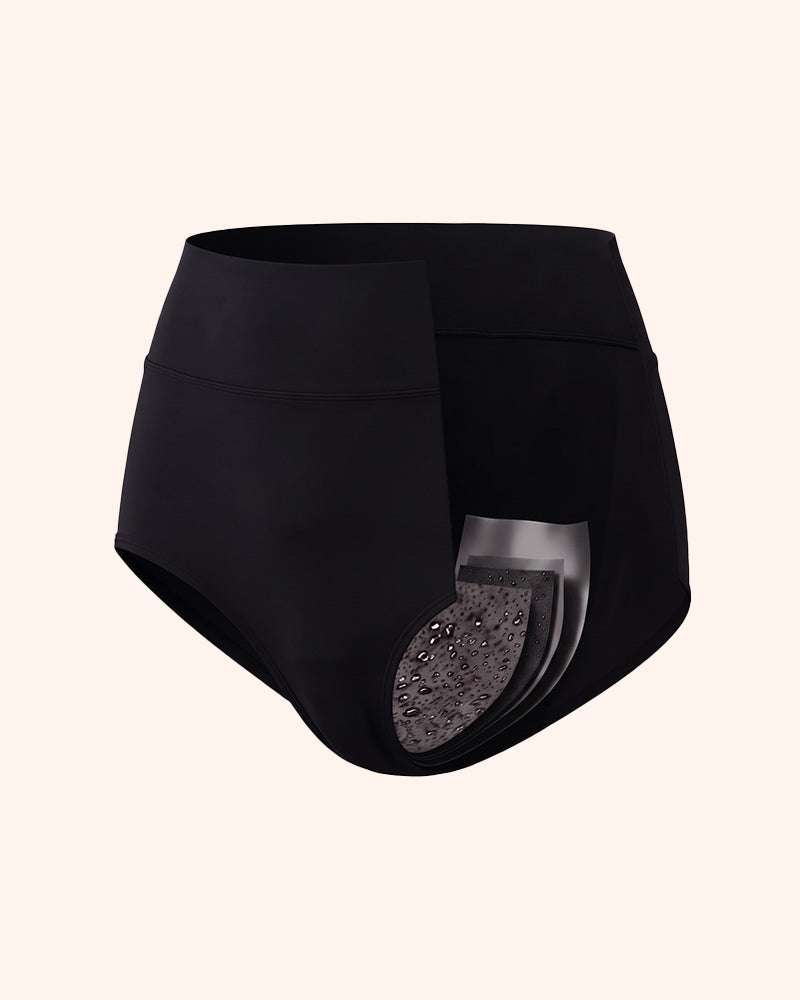
If you wear a washable pair designed for bladder leaks, the gusset does the real work while you hike, cook, and sit around the fire. They look and feel like regular underwear — no rustling, no bulk under hiking pants. Related reading: how many pairs to keep in rotation at home.

What about the middle-of-the-night problem?
This is the part everyone worries about, and it's the part that turns out fine. Two scenarios:
The campground has a bathhouse. Campsite tip from people who've done it for years: pick a tent site near — but not right next to — the bathrooms. Close enough that the 2 a.m. walk takes under a minute, far enough that you're not listening to the door bang all night. A headlamp with a red-light mode won't wake your tentmates. Keep your shoes, headlamp, and the pouch with a clean pair right by the tent door. It's a routine. By night two, you do it half asleep.
No bathrooms at all (backcountry, dispersed sites). This is where the wide-mouth bottle comes in. It's the same solution long-distance hikers have used forever. Privacy tent or the tent vestibule, bottle, wipes, done. If that idea makes you squeamish, that's fair — but it's worth knowing the option exists rather than lying awake dreading the walk into the trees.
One more thing. Dehydration makes urgency worse, and campers chronically under-drink. Skimping on water to "save" bathroom trips backfires — concentrated urine irritates the bladder and you'll go more often, not less. Drink normally. Your second morning coffee is fine.
Where do you put the used pairs?
At a regular campground, change in the bathhouse stall — they're roomier than public restroom stalls — fold the used pair inward, zip it in the pouch, drop the pouch in your daypack. Done.
At night, hang the pouch from a carabiner inside the tent or keep it in the vestibule — out of the sleeping area, but easy to grab. If you're on a multi-day trip with no laundry, you'll build a rhythm: morning change goes in the pouch, evening change goes in too, and you rinse when you can.
The same moves from the public-restroom changing guide work in bathhouse stalls, with more elbow room.
Can you wash leakproof underwear while camping?
Sort of. You won't get a deep clean, but you don't need one mid-trip.
The rinse: Cold water, a dab of camp soap (biodegradable, used well away from streams — at least 200 feet, the standard rule), work it through the gusset, rinse until the water runs clear. Toss it in a mesh laundry bag so it doesn't vanish into the bottom of your gear pile.
The dry: This is the part that actually works great outdoors. A pair of washable leakproof underwear on a camp clothesline dries in a couple of hours in sun and breeze. Clip the waistband, gusset facing the sun, and rotate once. Don't leave them on a hot rock or drape them over the camp stove grate — heat degrades the waterproof layer, same as it does at home (see why the dryer is the enemy).
The real wash waits until you're home. Rinse-and-air-dry gets you through the trip; the washing machine resets everything. And if a pair starts to smell between rinses? The odor guide covers the baking-soda soak that fixes it.
Trail days: when there are no bathrooms for miles
Day hikes are the trickiest stretch, so plan them like a short version of the whole trip. Before you leave the trailhead: fresh pair, empty bladder, pouch with one spare in the daypack alongside the water and snacks. That's it.
When nature calls and there's no nature-provided toilet, the move is the same one every hiker knows — step well off the trail, do what you need to do, change into the spare if needed, and zip the used pair into the pouch. A small waterproof pouch weighs almost nothing and saves the whole day.
Don't "size up" to your heaviest pair for the hike. A soaked-through heavy pair is worse than a well-timed change of a moderate one. Match the absorbency to your actual leak pattern, and change on schedule rather than waiting until you feel damp.
Which camping style suits bladder leaks best?
| Camping style | Bathroom situation | Washing | Best for |
|---|---|---|---|
| Car camping (established campground) | Bathhouse, usually lit at night | Rinse at the spigot, dry on the line | First-timers; easiest trip |
| RV or camper van | Your own toilet | Your own sink | Maximum comfort, least adjustment |
| Backcountry / dispersed | The trees (and your bottle) | Rinse-and-dry only | Experienced campers; shortest trips |
| Glamping / cabin | Private bathroom | Real laundry nearby | If you want the outdoors without the logistics |
Start at the easy end. A campground with a bathhouse is barely different from home, logistically speaking.
For men: a word about fit on the trail
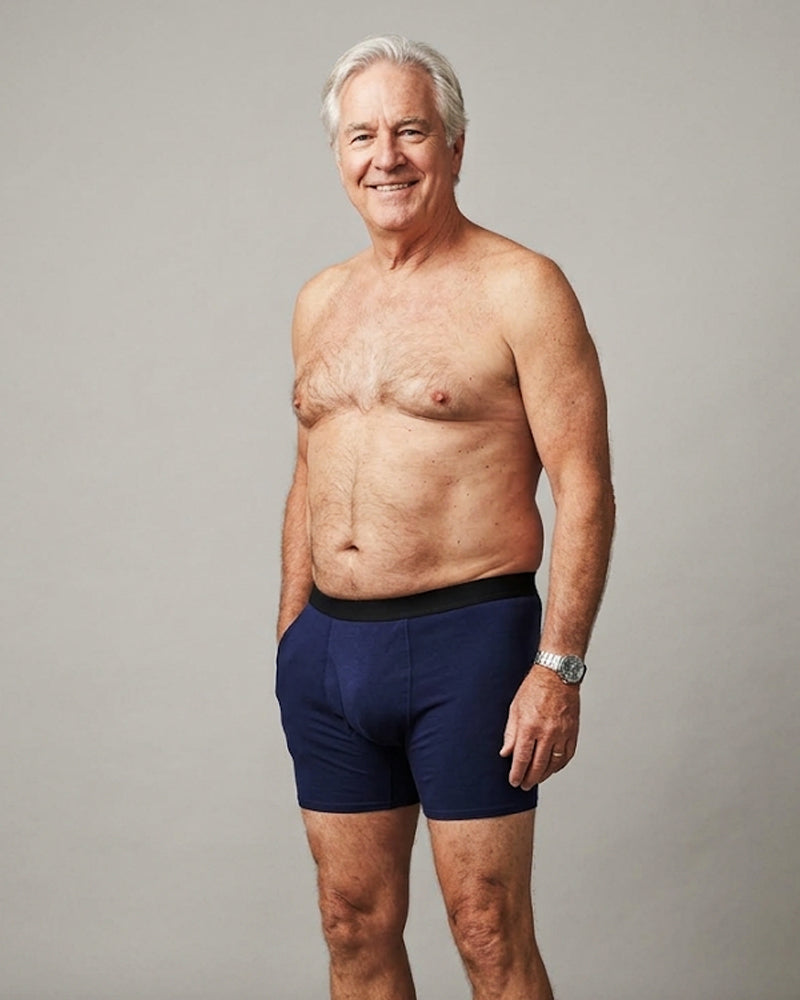
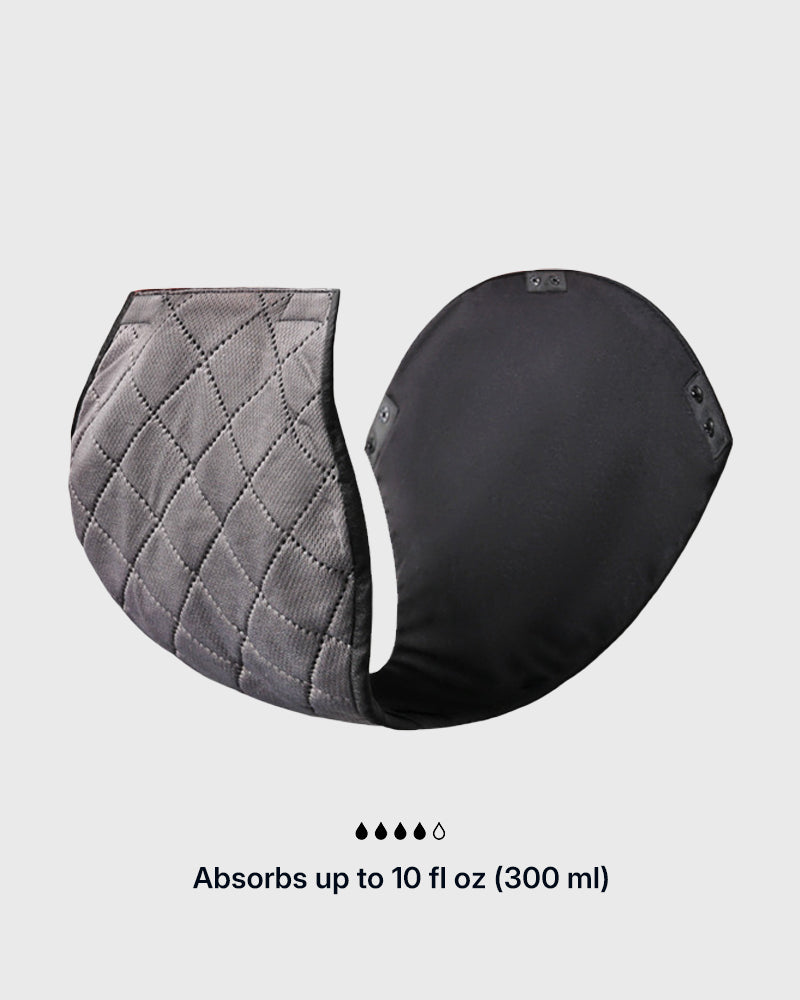
Men's leakproof underwear with a removable absorbent pad shines on multi-day trips. Pop the pad out to dry separately (it dries faster than the whole pair), swap in a dry one, and you've effectively doubled your rotation without packing more underwear. The boxer-brief cut stays put under hiking shorts. More: the stay-discreet washable pair.
FAQ
Can you go camping with incontinence underwear instead of disposables?
Honestly, camping is one of the best arguments for the reusable kind. Disposables mean carrying a trash bag of used products for days — heavy, smelly, and hard to hide. Washable pairs rinse, dry on the line, and go home in a laundry bag. Less weight in, less garbage out.
How do you stay fresh camping with bladder leaks if there's no shower?
Wipes do most of the work. A full-body wipe-down before bed, a fresh pair, and you're set. For the gusset area specifically, unscented wipes plus air-drying the skin for a minute before dressing keeps irritation away. Save the real shower for the bathhouse day or the drive home.
What should you pack for camping with urinary incontinence for one weekend?
Five pairs of washable underwear (three days plus two spare), one waterproof zip pouch, one mesh laundry bag, unscented wipes, hand sanitizer, a headlamp, and your usual sleep setup. It all fits in a corner of the duffel — the whole kit weighs less than a paperback.
Will other campers notice?
They won't. A black zip pouch looks like any other dry bag. Underwear on a clothesline looks like laundry. Nobody's paying attention.
How do you handle a heavy-leak night in a tent?
Layer your defenses: your most absorbent pair, a waterproof mattress protector or even a folded towel under your sleeping pad, and the spare pair within arm's reach. If you wake up damp, change, zip the used pair away, and go back to sleep. Don't let one bad night end the trip — mornings at a campsite have a way of resetting things.
One last thing before you zip the tent
Pack the kit. Pick the site near the bathhouse. Then go. The first morning — coffee on a camp stove, nobody watching the clock, your gear exactly where you left it — you'll wonder why you waited so long. Bladder leaks change the packing list. They don't have to change the trip.
Planning the rest of your kit? Start with the everyday carry guide, and if this is your first trip with reusable protection, the general travel guide covers flights and road trips too.
Share:
What to Pack in Your Bag for Bladder Leaks? A Discreet Everyday Carry Kit
How to Protect Your Mattress From Bladder Leaks: Nighttime Tips That Actually Work