


The short answer: a cold doesn't give you a new bladder problem, but it can turn a small leak into a daily nuisance for a week or two. Every cough and sneeze raises pressure in your belly, and that pressure is exactly what pushes urine out when your pelvic floor is tired or stretched. You can't stop coughing on command. You can change how you cough, what you drink, and what you wear — and that combination usually keeps a cold-week leak from running your day.

If you're wondering how to manage bladder leaks when you have a cold, start with the least glamorous part first: plan for more changes than usual. A cold week is not the week to test whether one pair will last all day. Keep a spare pair in your bag, one by the bed, and one in the bathroom cabinet. That small bit of planning does more than any single trick in this article.
Why does a cold make bladder leaks worse?
Think about what a cough actually does. You take a breath in, your belly tightens, and air rushes out fast. That sudden squeeze raises pressure inside your abdomen. If your pelvic floor can't hold against that spike — because it's weak, tired, or still recovering after childbirth or surgery — a little urine slips out.
Sneezing works the same way, only faster. You don't get a warning. One minute you're reaching for a tissue, the next you're standing in the kitchen with damp underwear and a tissue in each hand.
For most people, leaks settle back down as the cough fades. The cold isn't proof something new has gone wrong.
How to manage bladder leaks when you have a cold
Start the day with a bathroom trip before the coughing starts. Don't wait for the urge. Empty your bladder first thing, then again before you settle on the sofa for a long stretch. A half-full bladder leaks less under a cough than a full one.
Change how you cough. Instead of one hard, barking cough, try two or three smaller coughs with your mouth partly open, almost like you're clearing your throat. Cross your legs if you're standing, or press a small cushion against your belly if you're sitting. It looks odd. It works.
That cushion trick is worth a real try. At 7 a.m., when the morning coughing fit hits, grab the nearest sofa cushion, hug it to your stomach, and cough into it. You're giving your pelvic floor something to brace against instead of asking it to hold everything alone.
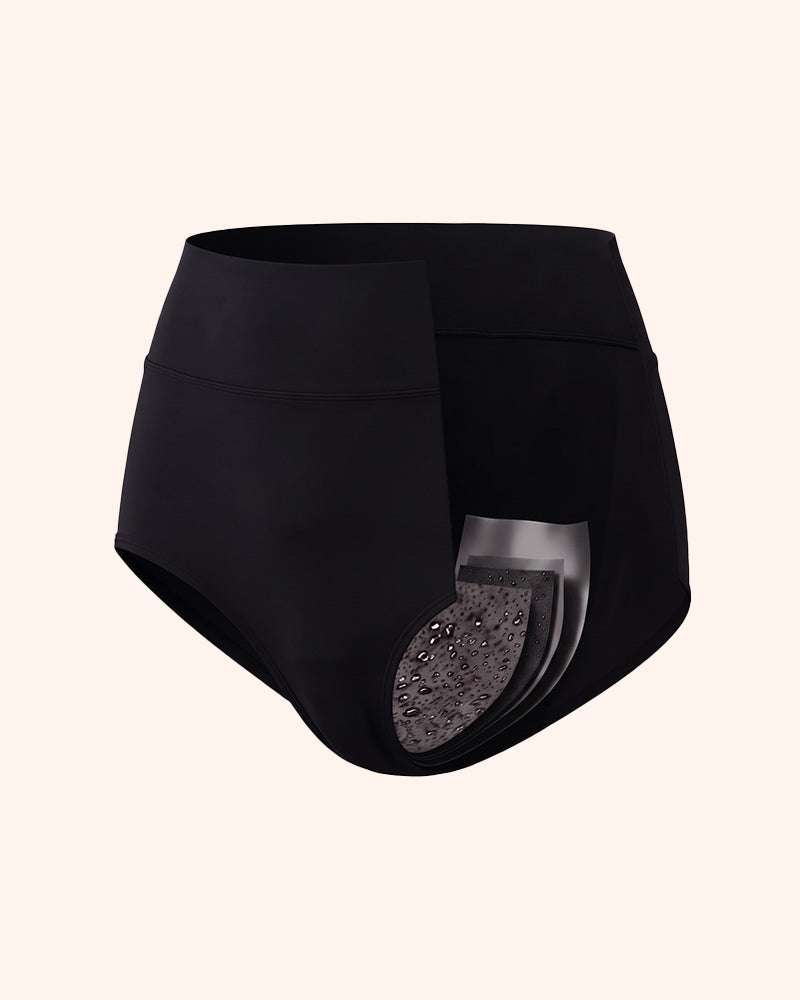
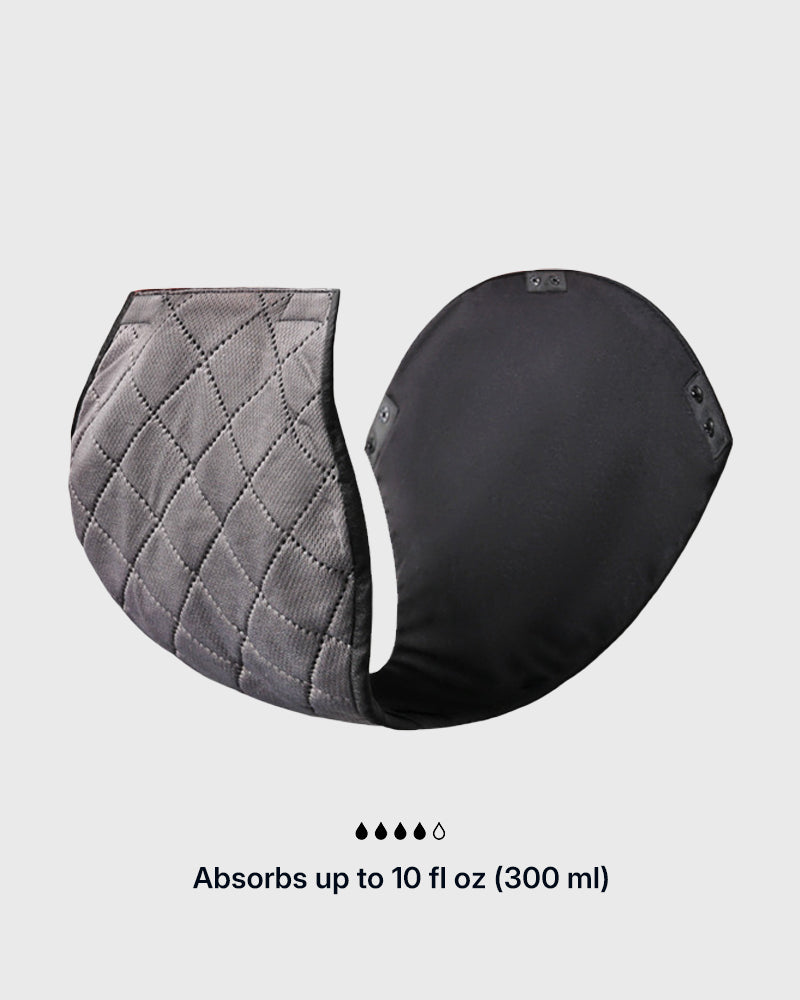
Wear protection you don't have to think about. This is a week for washable leakproof underwear rather than a thin liner that shifts when you cough for the third time in a row. A pair that fits snugly at the waist and leg, with a built-in absorbent gusset, stays in place through a coughing fit and a nap. If you leak more than usual, switch to a higher absorbency for the week — you can go back to your usual pair when the cold clears.
For women, women's washable incontinence underwear in a high-waist cut sits flat under loungewear and doesn't bunch when you curl up on the sofa. Toss used pairs in a machine-wash laundry bag so the third load of laundry this week doesn't become a sorting job, and keep a waterproof carry pouch in your bag for a change when you're out.
What should you drink when you're sick and leaking?
You need fluids when you're sick, but every glass feels like a gamble. Don't stop drinking: dehydration concentrates urine, which irritates the bladder and can worsen urgency. (See Can Dehydration Cause Bladder Leaks?)
Try this instead:
- Sip, don't gulp. Small sips through the morning beat two big glasses at once. Your bladder fills more gradually, and you get fewer sudden urges.
- Front-load your fluids. Drink most of what you need before 6 p.m., then taper off in the evening. You'll still wake to blow your nose, but you're less likely to wake desperate for the bathroom.
- Watch the usual suspects. Coffee, strong black tea, fizzy drinks, and citrus juice can irritate some bladders. You don't have to quit them cold turkey while you're already miserable — just notice whether your worst leak of the day follows your second coffee, and swap one cup for water or herbal tea.
- Keep water by the bed. A small glass on the nightstand beats a trip to the kitchen at 3 a.m. when you're already coughing.
What helps, and what backfires, on a sick day?
| Sick-day habit | Why it helps or hurts |
|---|---|
| Smaller, softer coughs with a cushion | Lowers the pressure spike that forces leaks out |
| Skipping fluids all day | Concentrated urine can irritate the bladder and worsen urgency |
| Changing underwear as soon as it's damp | Keeps skin dry and cuts odor before it starts |
| Holding a cough in until it bursts out | One big cough hits harder than several small ones |
| Loose, soft loungewear | No waistband pressing on a full bladder; easier changes |
| Tight jeans or a cinched waistband | Extra pressure on the belly can push leaks out sooner |
How do you handle nights when you're sick?
Nights are the worst part of a cold week. You finally fall asleep, then a coughing fit wakes you, and the bathroom feels miles away.
Before bed, empty your bladder, put a fresh pair on, and keep a spare pair and a small towel on the nightstand. If you use a mattress protector, leave it on for the week.
What about cold medicines?
Some over-the-counter cold remedies can affect your bladder. Decongestants can make it harder to empty your bladder fully for some people, while antihistamines can dry you out and leave you needing more fluids. Others just make you drowsy, so you sleep through the urge until it's urgent.
Read the label, and if you take regular medication, ask your pharmacist whether a cold remedy clashes with it. If a medicine leaves you unable to pee at all, or you develop a fever with burning when you pee, call your doctor.
Will the leaks stop when the cold ends?
Mostly, yes. As coughing eases over a week or so, the extra leaks ease with it. Give it a few days after the cough is gone before you judge.
If leaks are still noticeably worse two weeks after recovery, that's useful information, not a reason to panic. It suggests the pelvic floor needs attention once you're well. Our guide on how many pairs of incontinence underwear you need can help you restock sensibly.
Be kind to yourself this week. You're sick, you're leaking, and you're still getting through the day. A spare pair in your bag means the next sneeze doesn't get to decide how your afternoon goes.
Frequently asked questions
How to manage bladder leaks when you have a cold?
Empty your bladder before long rests, cough in smaller bursts with a cushion braced against your belly, sip fluids steadily instead of gulping them, and wear washable leakproof underwear with a spare pair close by. Change as soon as you're damp so skin stays dry.
Can a cold cause bladder leaks if I've never leaked before?
A bad cough can cause a one-off leak even if you've never leaked before, because coughing spikes pressure in your belly. If it stops when the cold clears, it's usually the cough. Leaks that continue for weeks after recovery deserve a doctor's visit.
Should I wear incontinence underwear all day when I'm sick?
You can, as long as you change when damp. Wearing a fresh pair beats sitting in a damp liner — just keep enough in rotation so you're not waiting on the washing machine. See also how to keep reusable underwear fresh.
Do cold medicines make bladder leaks worse?
Some can. Decongestants may make emptying harder for some people, and sedating antihistamines can make you sleep through urges. If a new medicine coincides with worse leaks or trouble peeing, ask your pharmacist — don't just stop a prescribed medicine without advice.
How often should I change incontinence underwear when I have a cold?
More often than usual — that's a core part of how to manage bladder leaks when you have a cold. Change as soon as it feels damp, and at least before bed and after a long coughing spell. During a cold week, plan on two to three pairs a day instead of one, and keep a spare in your bag and by your bed.
Why do I leak when I sneeze but not when I cough?
Sneezes hit faster and harder than most coughs, so your pelvic floor gets less warning. Coughing can be softened and braced; a sneeze can't. If sneezing is your main trigger, read why you leak when you sneeze, cough, or laugh for more on the mechanism.

Share:
Why Am I Leaking Urine After a Hysterectomy? What Changes and What Can Help
Why Does My Incontinence Underwear Leak? Common Causes and Fixes That Actually Work