


The short answer: yes, leaking urine after a hysterectomy is common, and for a lot of women it settles as swelling goes down and the pelvic floor recovers. It doesn't mean the surgery went wrong. But if leaking sticks around for months, gets worse instead of better, or shows up alongside pain, fever, or trouble peeing, that's worth a call to your surgeon or GP.
If you're reading this at 2 a.m. in a damp pair of underwear, wondering whether this is your new normal — it's not a silly question. Plenty of women are surprised by it. Nobody warned them, or the warning got lost somewhere between the consent form and the anaesthetist's checklist. Here's what's actually going on.

So why does a hysterectomy affect your bladder at all?
Your uterus sits right on top of your bladder, held in place by ligaments and pelvic floor muscles that also help hold your bladder up. During a hysterectomy, the surgeon works close to the bladder and those supports. Some ligaments get cut. Nerves in the area can get bruised. And afterwards, everything in your pelvis is swollen, the way your ankle swells after a sprain.
That swelling alone can change how your bladder behaves. It might feel twitchy, like it fills up faster than it used to. Or the muscles that keep you dry might not squeeze quite as well while they're healing. Add in a catheter — most women have one during surgery and sometimes for a day or two after — and your bladder has basically been on holiday. It can take a little while to remember its job.
There's another piece people forget. If your ovaries were removed too, your oestrogen drops fast. Oestrogen keeps the tissues around your bladder and urethra plump and springy. Less of it can mean a weaker seal and a bladder that complains more often. That explains why some women notice leaking only after a surgical menopause, not straight after the operation.
Is leaking right after surgery normal?
In the first few weeks, yes, for many women. Small leaks when you cough, laugh, or stand up too fast are the usual pattern. So is needing the loo more often, or feeling a sudden urge that gives you about ten seconds' warning instead of ten minutes.
Most of this eases as the swelling settles and you start moving again. Walking to the kitchen, then round the block — boring, unglamorous stuff, but it genuinely helps.
One thing that trips people up: straining. After abdominal surgery, you're told not to lift anything heavy, and that includes straining on the toilet. Constipation after surgery is ridiculously common — painkillers, less movement, hospital food — and pushing hard puts pressure straight onto your healing pelvic floor. Keep stools soft, drink steadily through the day, and don't sit there forcing it.
What if leaking urine after a hysterectomy starts months later?
Sometimes the timeline is different. You recover fine, feel back to yourself, and then six months or a year later, leaks creep in.
The pelvic floor may have lost some support over time, especially if the uterus was part of what held things up. A bladder prolapse — where the bladder bulges into the front wall of the vagina — becomes more likely after hysterectomy, and it can cause leaking, a heavy or dragging feeling, or trouble emptying fully. Menopause, weight gain, a chronic cough, or years of constipation can all pile on top.
This is the point where "wait and see" stops being useful. A pelvic health physiotherapist can assess what's going on — which muscles are weak, which are over-tight, whether there's a prolapse — instead of guessing. That's a much better starting point than doing a hundred random Kegels from a video and hoping.
If you'd like background on that side of things, this guide on pelvic organ prolapse and bladder leaks explains the signs and types in plain language.
What actually helps day to day?
Here's the practical version.
Get assessed before you train. A pelvic health physio will check your pelvic floor properly and give you exercises matched to what they find. Some women need strengthening. Others have muscles that are too tight and gripping all the time, and squeezing harder makes things worse. You can't tell which group you're in by guessing.
Retrain the urge, gently. If your bladder now yells at you the second you feel a twinge, timed voids can stretch that gap back out. Pee on a schedule — say every two hours to start — rather than dashing every time you feel the urge. Our guide to bladder training walks through how to build that up without feeling miserable.
Don't cut back on water. It's tempting. Less in, less out, right? In practice, concentrated urine irritates the bladder more, so you end up needing the loo just as often. Sip steadily, and cut back on coffee, fizzy drinks, and alcohol for a while to see if symptoms calm down.
Sort the constipation. Fibre, fluids, and walking beat straining every time. If painkillers are bunging you up, ask your doctor about it rather than quietly suffering.
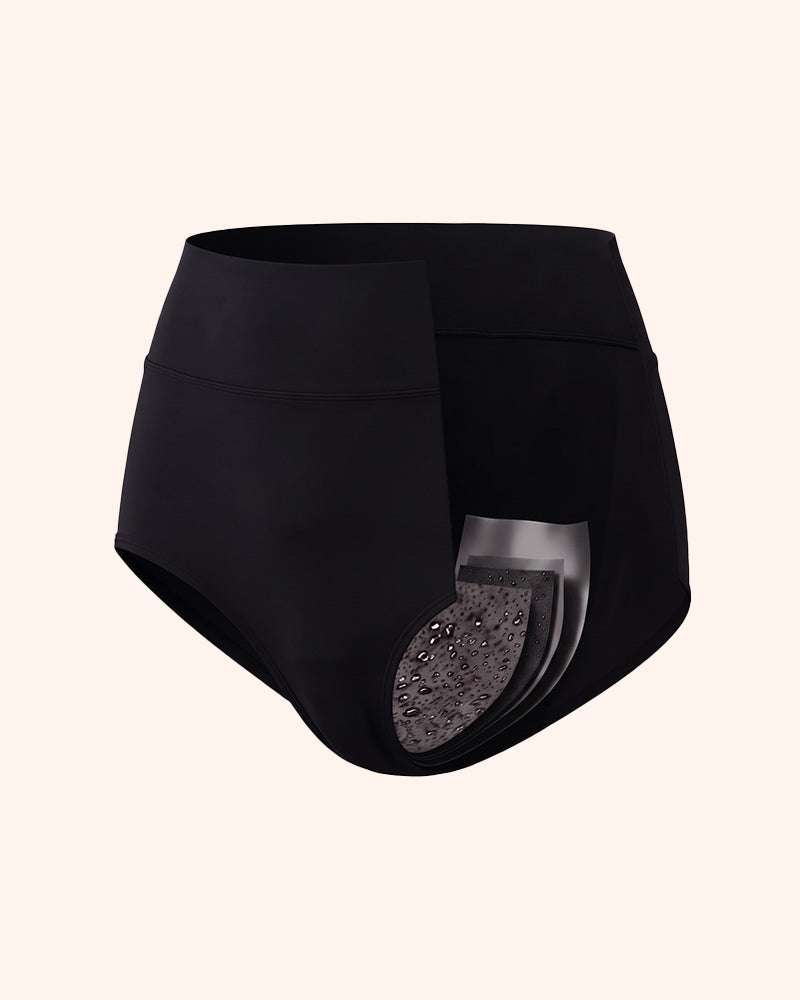
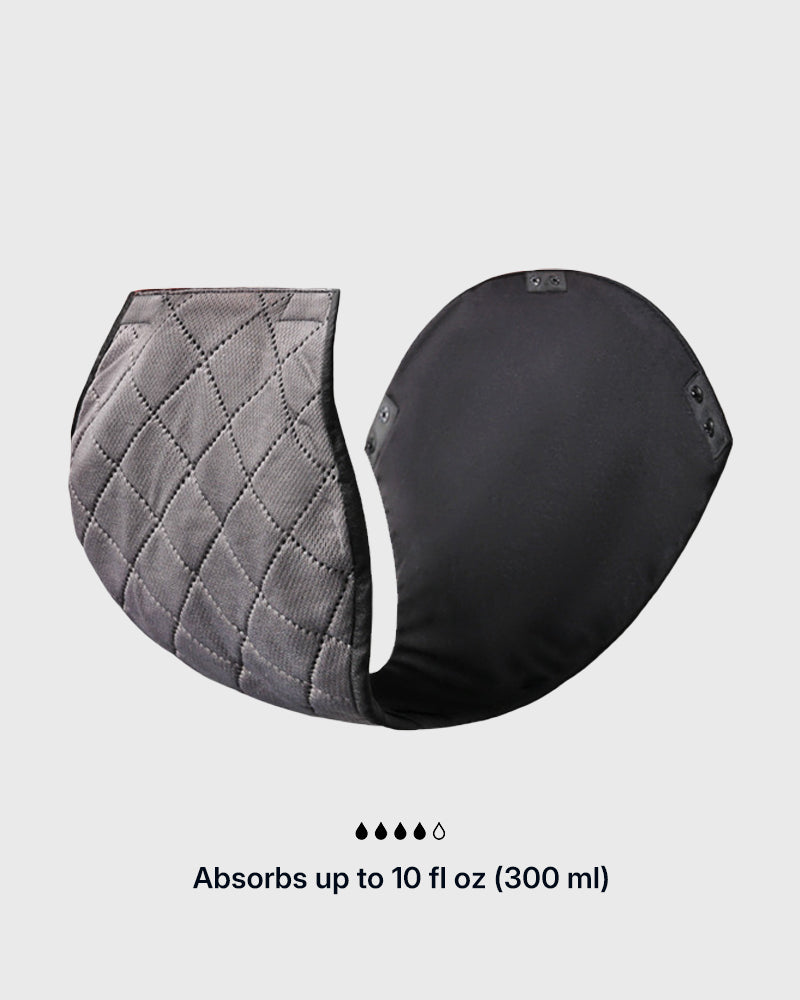
Wear something you trust while you heal. Leaking during recovery is stressful enough without worrying about wet patches at the supermarket. Washable leakproof underwear holds a small-to-moderate leak, looks like ordinary underwear, and saves you from the rustle and the bin full of disposables. The women's Stay Discreet washable underwear is a high-waisted style, which a lot of women find comfortable over a healing tummy — no waistband digging into a scar. Toss used pairs in a wash bag and run them with your normal laundry, and keep a waterproof pouch in your handbag for changes when you're out.
For nights, see our guide to protecting your mattress from bladder leaks.
When should you call your doctor?
Most post-hysterectomy leaking is a healing issue. But get checked promptly if you:
- Can't pee at all, or only dribble, after the catheter comes out
- Have a fever, burning when you pee, or cloudy, foul-smelling urine — that could be an infection
- See blood in your urine that doesn't clear after the first few days
- Notice leaking that gets worse week by week instead of better
- Feel a bulge or heavy pressure in your vagina, or can't empty your bladder fully
- Are still leaking several months after surgery with no improvement
There's also a rare complication worth knowing about, not to scare you but so you don't dismiss it: a fistula, a small abnormal connection between the bladder and the vagina, can cause continuous leaking that doesn't stop. It's uncommon and fixable, but it needs a doctor, not pads. Continuous, non-stop leaking after surgery is not something to just live with.
If you're not sure how to bring it up, this guide on talking to your doctor about incontinence has a few opening lines that make the appointment less awkward.
Frequently asked questions
Will leaking urine after a hysterectomy go away on its own?
Often, yes — especially leaking in the first weeks, which usually fades as swelling settles and the pelvic floor recovers. Leaking that starts later or hangs around for months is less likely to vanish by itself, and that's when an assessment helps.
How long does bladder leaking last after a hysterectomy?
There's no single answer, and anyone who gives you one is guessing. A few weeks is typical for early post-surgery leaks. If you're still leaking at three months with no improvement, or it's getting worse, book an appointment rather than waiting another three months to see.
Can pelvic floor exercises help after a hysterectomy?
They can, but timing and technique matter. Most surgeons want you to wait until your follow-up appointment before starting pelvic floor training, and a physio assessment first means you're training the right thing. Doing them wrong — or too hard, too soon — can set you back, so get the green light first.
Does having your ovaries removed make leaking worse?
It can contribute. Lower oestrogen thins and dries the tissues around the bladder and urethra, which can weaken the seal. Some women are offered local oestrogen (a cream or pessary, not a tablet) for this, and it's worth asking your doctor about if dryness and leaking arrived together.
What underwear works best while you're recovering from a hysterectomy?
Look for a high waist that sits above your scar, soft stretchy fabric with no hard seams over the tummy, and enough absorbency for your actual leaks — not the heaviest option by default. Washable leakproof underwear in a high-waisted cut ticks all three, and it washes with your normal laundry, which is one less thing to think about when you're already juggling follow-up appointments and the third load of laundry this week.
This article is general information, not medical advice. If something here sounds like your situation, check it with your surgeon, GP, or pelvic health physio — they know your history, and this article doesn't.

Share:
Will Bladder Leaks Go Away on Their Own? What Gets Better, What Doesn't, and When to Get Help
How to Manage Bladder Leaks When You Have a Cold: Coughs, Congestion, and Sick-Day Tips