


The short answer: most of the time, your underwear isn't broken. It's the wrong size, the wrong absorbency for that moment, worn out, or washed in a way that dulled the waterproof layer. Once you know which one it is, the fix is usually simple — and a lot cheaper than switching brands in frustration.
Here's the annoying part. A leak feels like a betrayal. You bought the thing specifically so this wouldn't happen, and then there you are at 2 a.m., changing the sheets. Don't throw the whole drawer out yet. Work through them one at a time.

First, where exactly is it leaking?
This sounds obvious. It isn't. Most people just notice "wet" and move on. Next time it happens, pause for ten seconds and notice the spot. Leg openings? Front waistband? Soaked right through the middle? Each pattern points somewhere different.
Leaks at the legs usually mean a fit problem. The elastic isn't sitting flat against your skin, so liquid finds the gap and runs. Leaks through the middle, with the whole gusset heavy and damp, usually mean the pair is full — or the absorbency level was never enough for that leak. Leaks only after a big cough, sneeze, or laugh? That's a sudden gush overwhelming the top layer before it can soak in. Different problem, different fix.
Why does my incontinence underwear leak at the legs?
Fit is the number-one cause, full stop. Too big, and there are gaps at the thighs. Too small, and the fabric pulls, twists, and leaves gaps anyway. Either way, liquid escapes sideways instead of soaking down into the absorbent core.
Try this quick check. Put the pair on, stand up, and run a finger along the leg elastic. It should sit snug and flat, with no bunching and no red marks digging in when you take them off. If you can slide two fingers easily underneath, they're too loose. If the elastic leaves deep grooves after an hour, they're too tight. One size up or down fixes more leaks than any fancy feature ever will.
Body shape matters too, not just the label size — weight changes alone can change how the same size fits.
If fit is your issue, start with our sizing guide: What Size Incontinence Underwear Should You Get? And if you're between sizes, go with the snugger fit at the legs — you can live with a slightly firmer waistband, but you can't live with a gap.
Is it just full?
Maybe. And be honest with yourself here — we all stretch a pair a bit too long sometimes. A pair rated for light leaks won't hold a full bladder release, no matter how good it is. That's not a defect. That's asking a teacup to hold a jug.
Think about when it leaks. Morning leaks after a whole night? You probably need a higher absorbency for overnight, even if your daytime pair works fine. Leaks on the third hour of a long outing, when the first two hours were fine? You've likely just hit capacity. A spare pair in your bag solves that one — a waterproof carry pouch keeps the swap discreet.
Not sure what "full" even feels like? This guide walks through the signs: How Do You Know When Incontinence Underwear Is Full?
What if it leaks even when it's not full?
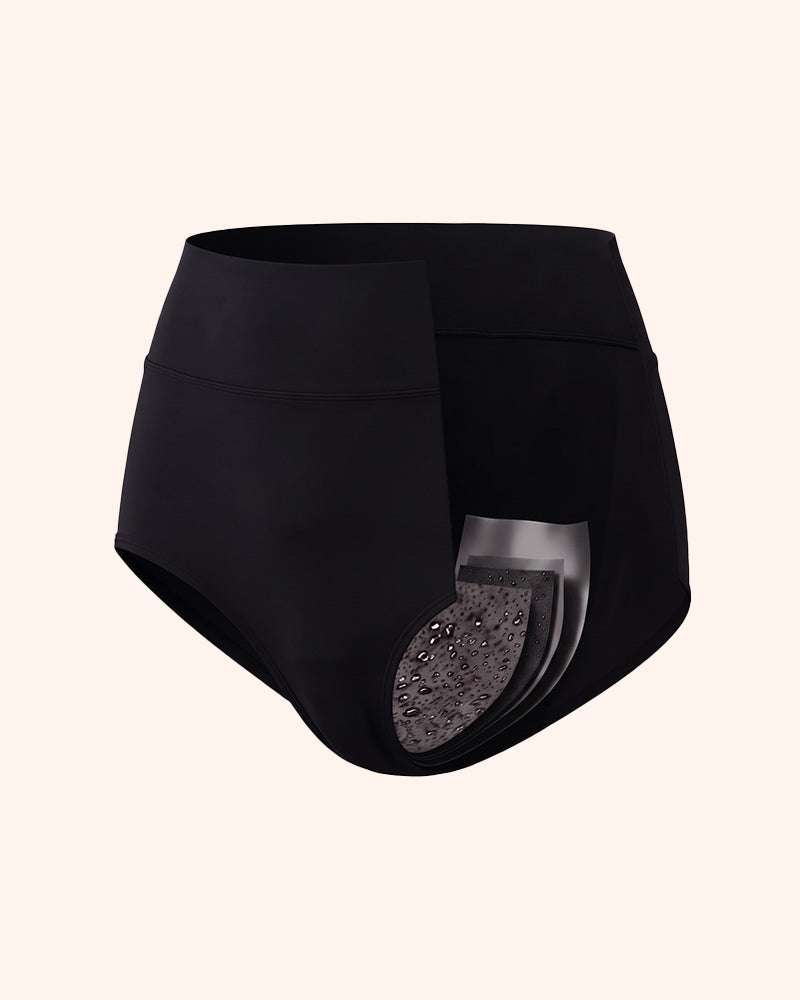
Then look at the gusset. Lay the pair flat. Is the absorbent pad bunched, twisted, or thinner in the middle than at the edges? Pads shift during wear, especially if the pair is a little loose, and a folded pad leaves an unprotected strip right where you need coverage most.
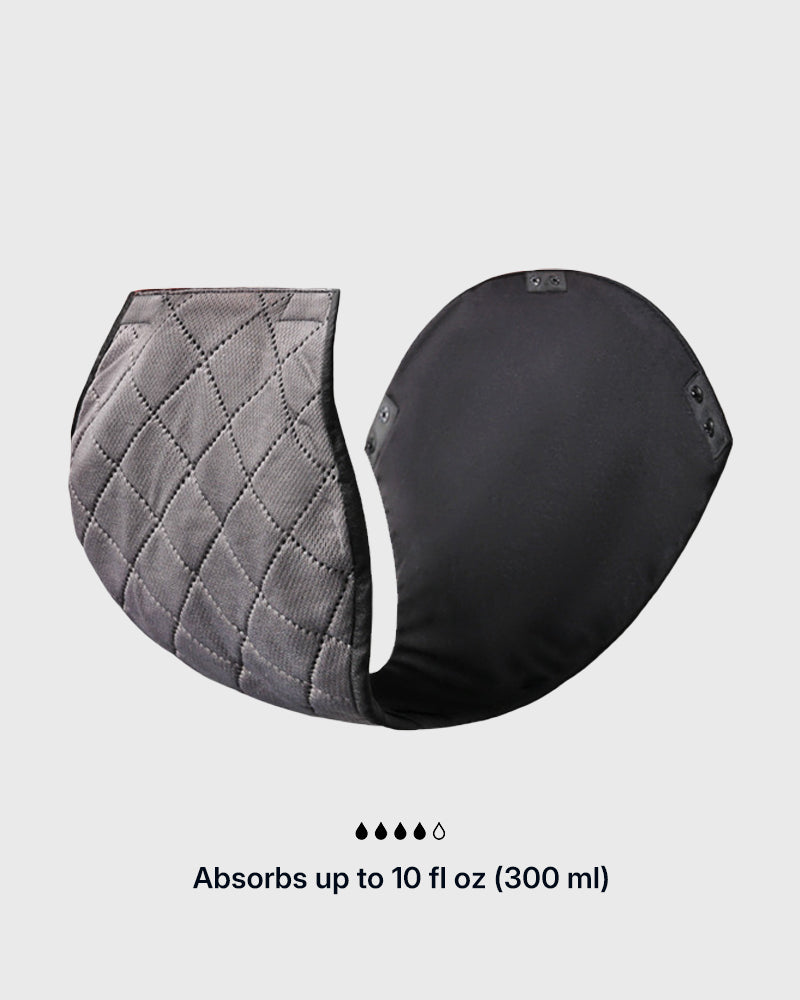
For men, placement matters in a specific way: if the pad sits too far back, a forward leak escapes before the core can catch it. Some men find a pair with a removable pad easier to position — see the men's underwear with a removable absorbent pad or the separate high-absorbency reusable pad. Small adjustment. Big difference.
Also skip wearing another pair over the top — an extra layer bunches the gusset and breaks the leg seal.
Did washing ruin them?
Possibly. Not in one wash — over months of small mistakes. Fabric softener is the classic culprit: it coats fibers and stops them absorbing. So does a hot dryer cycle, repeated over and over, which can crack the waterproof layer and relax the elastic. If your pairs started leaking after months of faithful service, and the third load of laundry this week smells faintly of softener, there's your answer.
Wash them in cold or warm water, skip the softener and dryer sheets entirely, and line-dry or tumble on low. A mesh laundry bag keeps them from tangling and stretching in the machine. Full details here: How to Wash and Care for Reusable Bladder Leak Underwear. And yes, the dryer question has its own answer: Can You Put Incontinence Underwear in the Dryer?
Is it just worn out?
Reusable underwear doesn't last forever. Elastic gives up. The waterproof layer thins. The core gets less thirsty after a couple of hundred washes. If a pair is a year or more old, leaks more than it used to, and the elastic feels slack even fresh out of the drawer — it's not you, and it's not a mystery. It's done.
So what should you actually do?
Run this quick check, in order, next time a pair leaks:
- Where did it leak — legs, front, back, or soaked through?
- Was the pair actually full, or was it barely damp?
- Does the leg elastic sit flat, or can you slide fingers underneath?
- Is the pad bunched, folded, or sitting in the wrong place?
- Has this pair been through softener, hot dryer cycles, or a year of hard use?
Your answer to those five questions tells you whether to change size, step up absorbency, fix your wash routine, or retire the pair. Guessing costs money. Checking takes two minutes.
| Leak pattern | Likely cause | Fix to try first |
|---|---|---|
| Leg openings | Fit too loose or too tight | Re-check size; choose a snug leg fit |
| Soaked through the middle | Absorbency too low or pair full | Step up absorbency; carry a spare pair |
| Sudden gush escapes | Top layer overwhelmed | Higher absorbency plus a pad for backup |
| Leaks after months of good use | Worn elastic or damaged waterproof layer | Fix wash routine; replace the pair |
| Leaks only at night | Overnight volume exceeds daytime rating | Use a dedicated higher-absorbency night pair |
If a good pair still leaks from day one after all that, a change in your leak pattern or a new medication may be behind it — worth a doctor conversation, not just a new drawer: When Should You See a Doctor About Bladder Leaks?
One last thing. A leak doesn't mean the whole idea failed. It usually means one detail is off — size, absorbency, placement, washing, age. Fix that one detail, and most people find the next pair does exactly what they bought it for. On a 40-minute drive, in the checkout line, at 2 a.m. — the places where you actually need it to hold.
Need a pair matched to your leak level? Browse the women's Stay Discreet underwear and the men's Stay Discreet washable underwear, or read Do You Need Different Incontinence Underwear for Day and Night? before you choose.
Frequently asked questions
Why does my incontinence underwear leak?
Usually it's fit, absorbency, or wear. Check where the leak escapes first: leg gaps point to fit, a soaked-through middle points to capacity, and leaks after months of good use point to worn elastic or a damaged waterproof layer.
Does incontinence underwear leak when it's full?
Yes — every pair has a limit. Once the core is saturated, extra liquid has nowhere to go and escapes at the legs or waistband. If your pair is fine for two hours but leaks at hour four, you're hitting capacity, not a defect.
Why does urine leak out the sides of my underwear?
Side leaks almost always mean a gap at the leg elastic, caused by a size that's too loose, a pad that's bunched, or elastic that has lost its stretch. A snug, flat leg fit closes that gap.
Why does my incontinence underwear leak after washing?
Fabric softener coats the fibers and blocks absorption, and repeated high dryer heat can damage the waterproof layer. Wash without softener, skip the hot dryer, and see if the next few wears improve.
How can I stop incontinence underwear leaking at night?
Switch to a higher absorbency for overnight, since nighttime volume and hours without a change are much greater than daytime. A dedicated night pair, rather than your daytime pair, solves most overnight leaks.
Do I need a higher absorbency or a different size?
Size if it leaks at the legs while still fairly dry; absorbency if it soaks through the middle. When you're unsure, fix size first — it's the cheaper change and the more common cause.

Share:
How to Manage Bladder Leaks When You Have a Cold: Coughs, Congestion, and Sick-Day Tips
How to Wash Reusable Incontinence Underwear When You're Traveling