


The short answer: functional incontinence means your bladder itself may be fine, but something else stops you from getting to a toilet in time. Your knees hurt. Your walker is in the other room. The bathroom is down a dark hall. The leak happens before you get there — not because your bladder gave out without warning, but because the trip itself took too long.
That distinction matters. Treat only the bladder and you miss the real problem. Assume nothing can be done and you miss fixes that are often simple: a clearer path, easier clothes, a different routine.
What Is Functional Incontinence?
Doctors split bladder leaks by what's going wrong. With stress leaks, pressure — a cough, a laugh, a lift — pushes urine out. With urge leaks, the bladder contracts before you're ready. Functional incontinence is different. The bladder may send a normal signal at a normal time. You hear it. You just can't act on it fast enough.
Think of it this way. You wake at 2 a.m. needing to go. You swing your legs out of bed. Your hip stiffens. You reach for glasses you can't find in the dark. By the time you stand, shuffle to the hall, and push the bathroom door open, it's too late. Nothing about that night was a bladder failure. It was a timing failure, with ten slow steps in between.
It happens in daylight too. You're in the checkout line, the restroom is at the far end past the carts, and you don't want to leave your groceries. You wait. You leak.
How Is Functional Incontinence Different From Other Types?
People often lump every leak together. That leads to the wrong fix. Urge leaks may need bladder training. Functional leaks may need a shorter route to the toilet, not a new bladder habit.
| Type | What goes wrong | A typical moment |
|---|---|---|
| Stress incontinence | Pressure overwhelms the pelvic floor | Leaking when you cough, sneeze, or lift a bag |
| Urge incontinence | The bladder contracts too early and too strongly | A sudden, hard-to-delay urge on the way to the toilet |
| Functional incontinence | Movement, vision, memory, or surroundings slow you down | Knowing you need to go but not reaching the toilet in time |
| Overflow incontinence | The bladder doesn't empty fully and then overflows | Dribbling through the day despite a weak stream |
Types can overlap — a sensitive bladder plus stiff knees, for instance. That's worth sorting out with a clinician. But when getting there is the main barrier, naming it functional incontinence points you toward practical fixes instead of bladder-only ones.
What Causes Functional Incontinence in Older Adults?
There's rarely one single cause. Usually it's a few small barriers stacking up.
Movement is the biggest one: arthritis in the knees or hips, a stroke that changed how fast you walk, Parkinson's disease freezing your steps just when you need them most, a walker parked behind a bedroom door instead of beside the bed. Any of these can turn a 20-second trip into a two-minute one.
Vision and thinking play a part too. Poor eyesight in a dim hallway. Dementia that makes it hard to find the bathroom in an unfamiliar house. Depression that saps the energy to get up at all. None of this means a person is careless. It means the system around them needs adjusting.
Then there are everyday obstacles nobody talks about: buttons on winter jeans, a toilet too low to get up from easily, a bathroom shared with five people at a family gathering, a long car ride with no planned stop. Each adds seconds. Seconds add up.
Medicines can add another layer. Some sleep aids, pain medicines, and sedatives make you groggy or slow your reaction. If leaks started soon after a new prescription, raise the timing with your doctor or pharmacist. Don't stop a medicine on your own — just ask.
What Helps Day to Day?
Start with the route, not the bladder. Walk it at night, in the dark. Where do you hesitate? A night-light in the hall. A rug rolled up out of the way. A walker within arm's reach of the bed. They sound too small to matter. At 2 a.m., they matter a lot.
Clothing is next. Elastic waists beat buttons when speed counts. If you love your jeans, practice the fastest way to undo them at home — not for the first time in a public restroom with a line behind you.
Toilet timing helps too. Go before you leave the house, before a meal, and before bed — even if the urge feels mild. On a long outing, pick stops ahead of time. The third hour of a car ride is a bad moment to start looking.
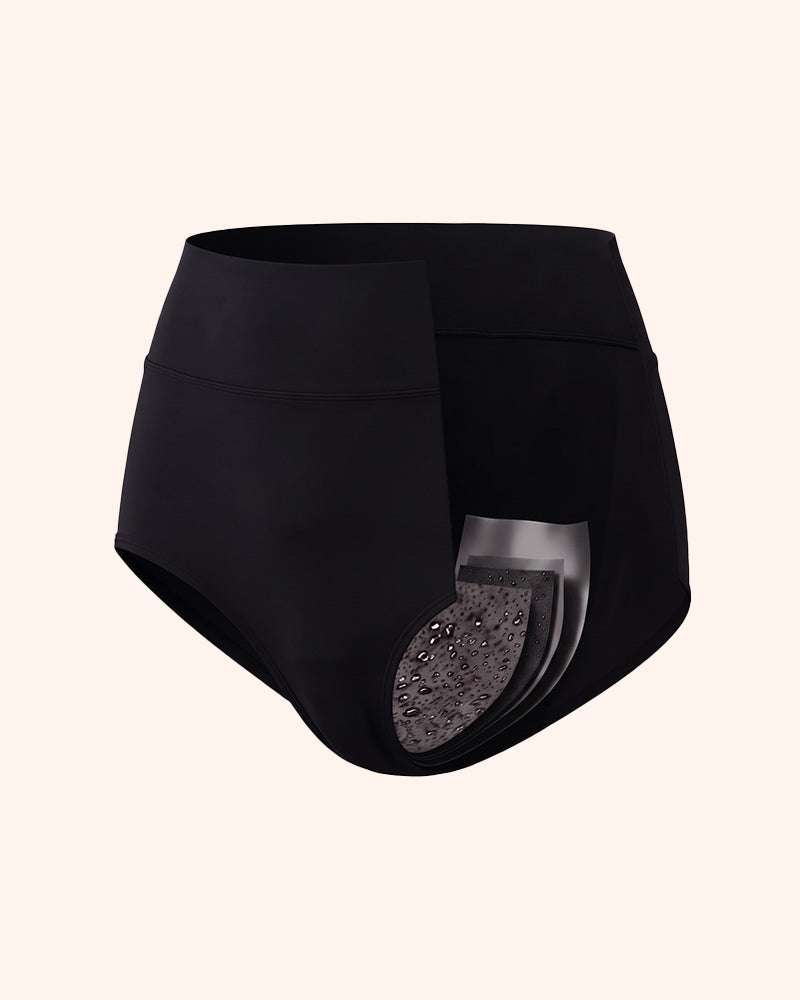
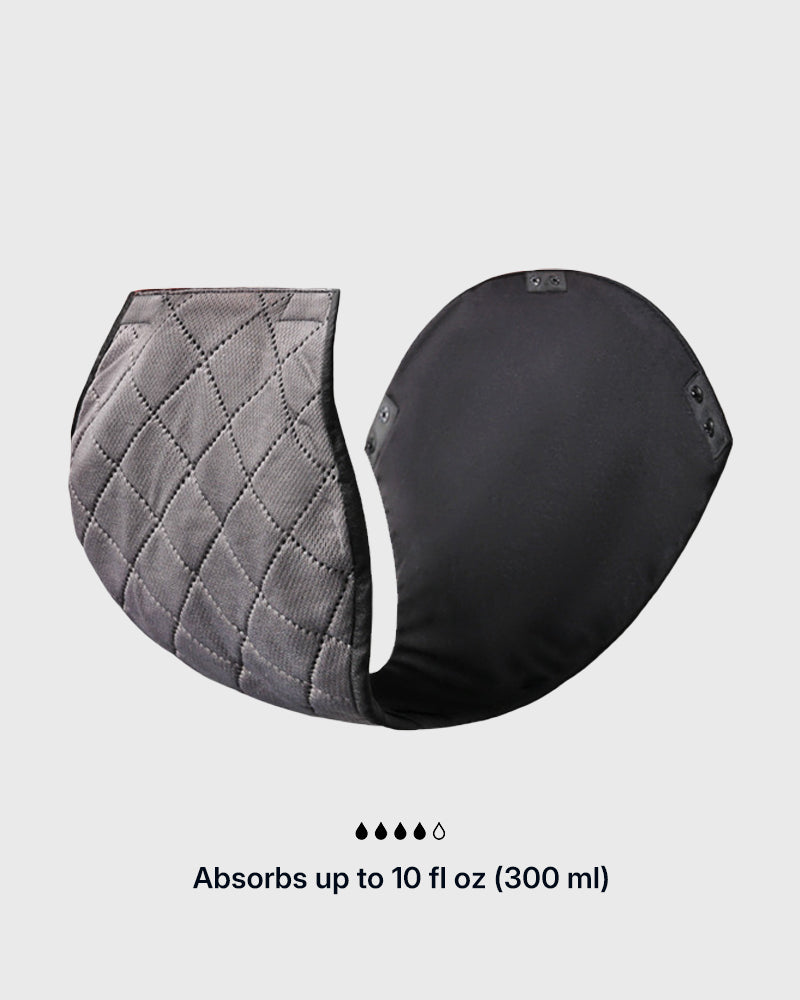
And keep a backup that doesn't announce itself. A spare pair of washable leakproof underwear and a small pouch in your bag means one leak doesn't end the day. Our women's washable incontinence underwear and men's washable incontinence underwear look and feel like regular underwear, so a backup pair in a waterproof carry pouch stays discreet. At home, a machine-wash laundry bag keeps used pairs separate until laundry day.

For more on setting up your day, see What to Pack in Your Bag for Bladder Leaks and Bladder Leaks in Public: How to Feel More Prepared and Less Anxious.
How to Help Someone With Functional Incontinence
If you're helping a parent or partner, resist the urge to take over. Ask what part is hardest. Getting up? Finding the bathroom? Managing clothes? People will often tell you exactly where the trip breaks down — if you ask without rushing them.
Keep the language plain and private. Don't announce it at the dinner table. Don't joke about it. A leak already costs a person dignity; a comment in front of others costs more.
Agree on a routine together: a toilet trip before outings, a seat near the restroom at restaurants, a spare set packed without fuss. Routine beats reminders. And if you're doing the laundry, treat it like any other laundry. No sighing. No separate pile where visitors can see it.
For a longer look at the caregiver side, read How to Help an Aging Parent With Bladder Leaks.
When Should You Get Checked?
Functional incontinence itself isn't an emergency. But new or changing leaks deserve a check. See a clinician promptly if leaks start suddenly, if there's pain or burning when you pee, blood in the urine, fever, trouble passing urine at all, or a fall linked to rushing to the bathroom.
Bring a short note: when leaks happen, what slows you down, and what medicines you take. For warning signs in more detail, see When Should You See a Doctor About Bladder Leaks? and Urinary Incontinence and Aging: What Changes, What's Common, and What's Worth Checking.
You don't need a perfect system — just a shorter path, easier clothes, and a backup plan. Fix the trip, and the bladder stops being the whole story.
Frequently Asked Questions
What is functional incontinence, in simple terms?
It's leaking because you can't reach a toilet in time, even though your bladder may be working normally. Mobility problems, poor vision, memory trouble, or a hard-to-reach bathroom are the usual barriers — not a bladder that misfires on its own.
How is functional incontinence different from urge incontinence?
Urge incontinence starts in the bladder: a sudden, strong contraction you can't hold back. Functional incontinence starts outside it: you get a normal warning but can't move fast enough to act on it. Fixes differ too — bladder training for urge leaks, a clearer route and timed trips for functional ones.
What causes functional incontinence in older adults?
Arthritis, stroke recovery, Parkinson's disease, dementia, poor vision, and depression are common contributors. So are practical barriers: a walker left in another room, a low toilet, button-fly trousers, or a bathroom that's far away. Medicines that cause drowsiness can slow reaction time as well.
Can functional incontinence be reversed?
Sometimes, yes — at least partly. Treating the barrier can cut leaks a lot: better lighting, a raised toilet seat, physical therapy for walking, a medication review, or a changed routine. When the underlying condition can't be reversed, good planning still reduces how often leaks happen and how much they disrupt your day.
How can I help someone with functional incontinence?
Ask which part of the trip is hardest, then fix that part. Keep a clear path to the bathroom, put a walker beside the bed, choose easy clothing, and agree on toilet trips before outings. Keep it private, keep it matter-of-fact, and let the person stay in charge of decisions about their own care.
What treatment options exist for functional incontinence?
There's no single pill for it, because the cause isn't one thing. A clinician may suggest physical therapy, a home-safety review, or a medication check. Day-to-day tools — timed voiding and discreet backup protection — fill the gap while those steps take effect.

Share:
How to Wash Reusable Incontinence Underwear When You're Traveling
How Much Water Should You Drink If You Have Bladder Leaks?